
Last updated September 23, 2026
Free visual inspection and a written scope of work before any mitigation begins - photos, moisture readings, and drying logs go in your claim file
The scope we write is the scope we bill. Anything new gets shown to you, in writing, before we touch it.
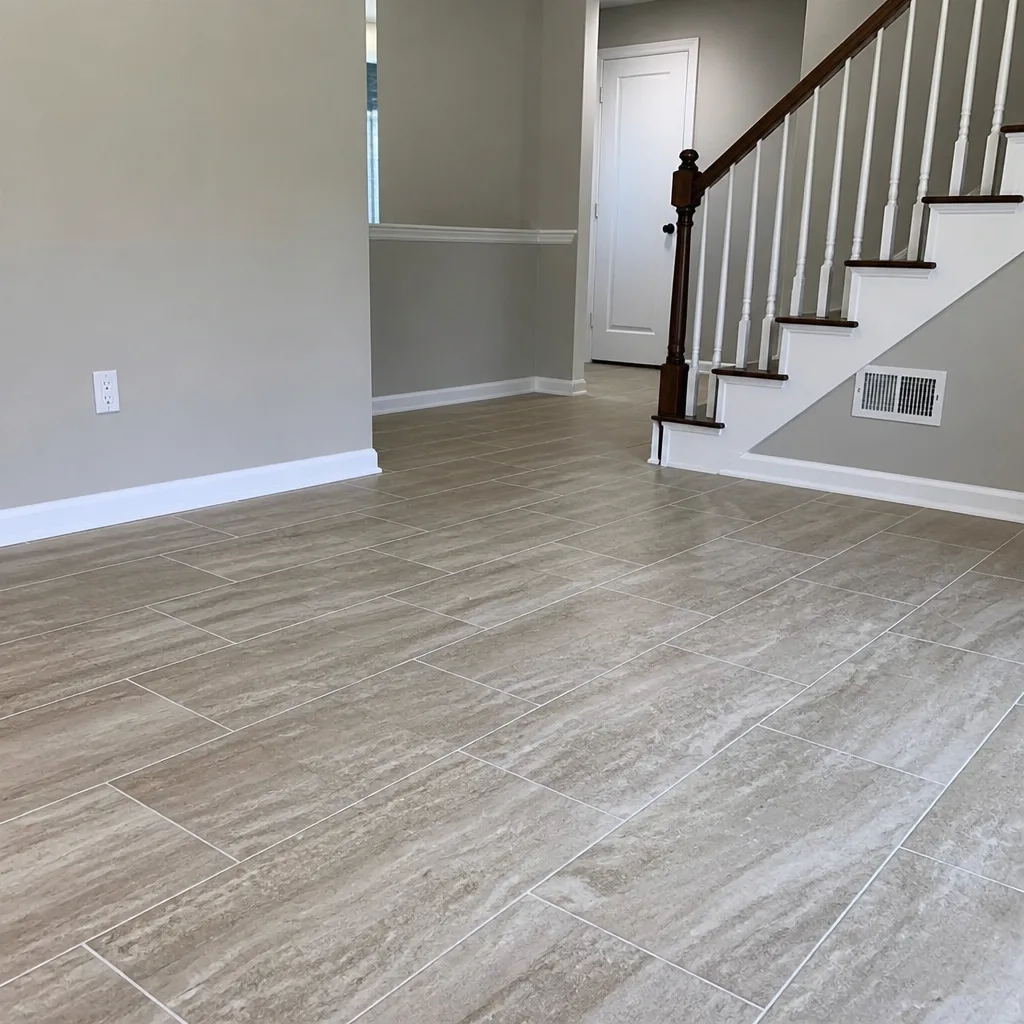
 Before
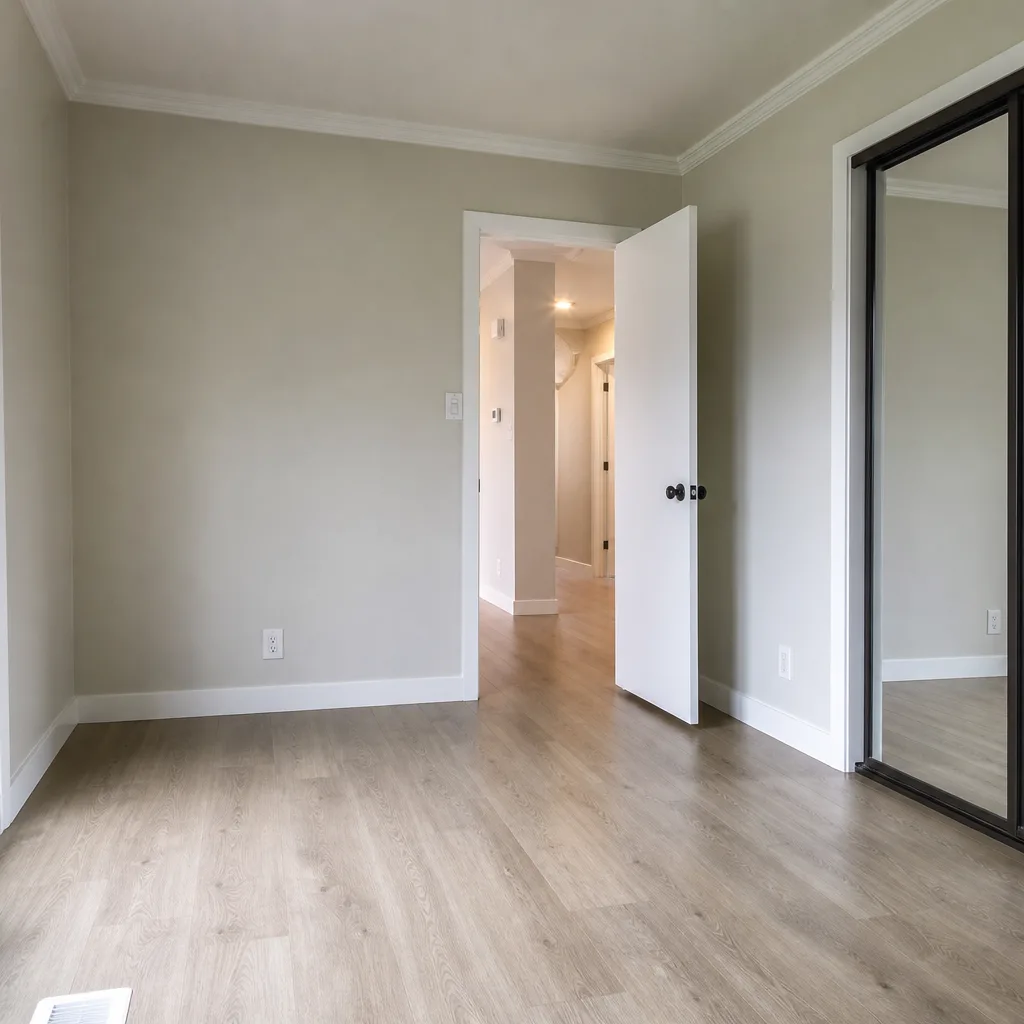 After
After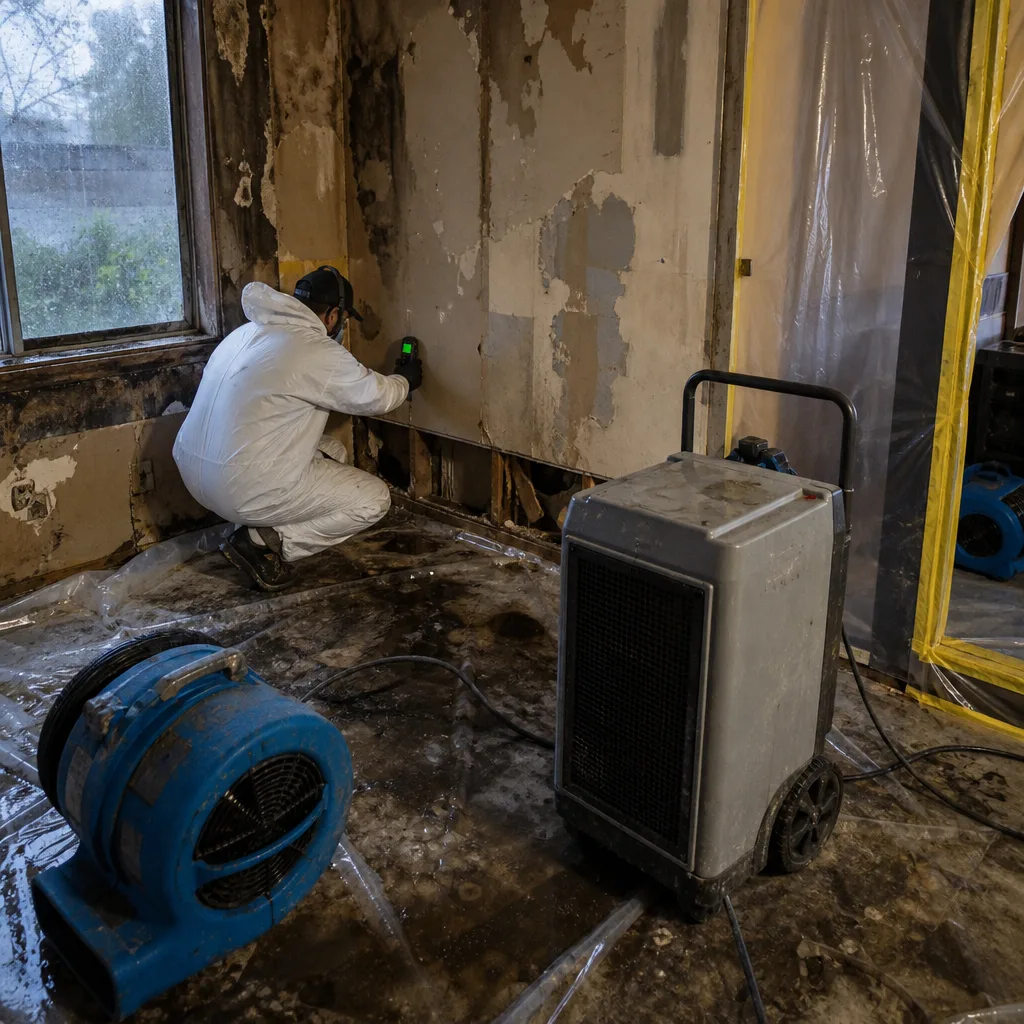 Before
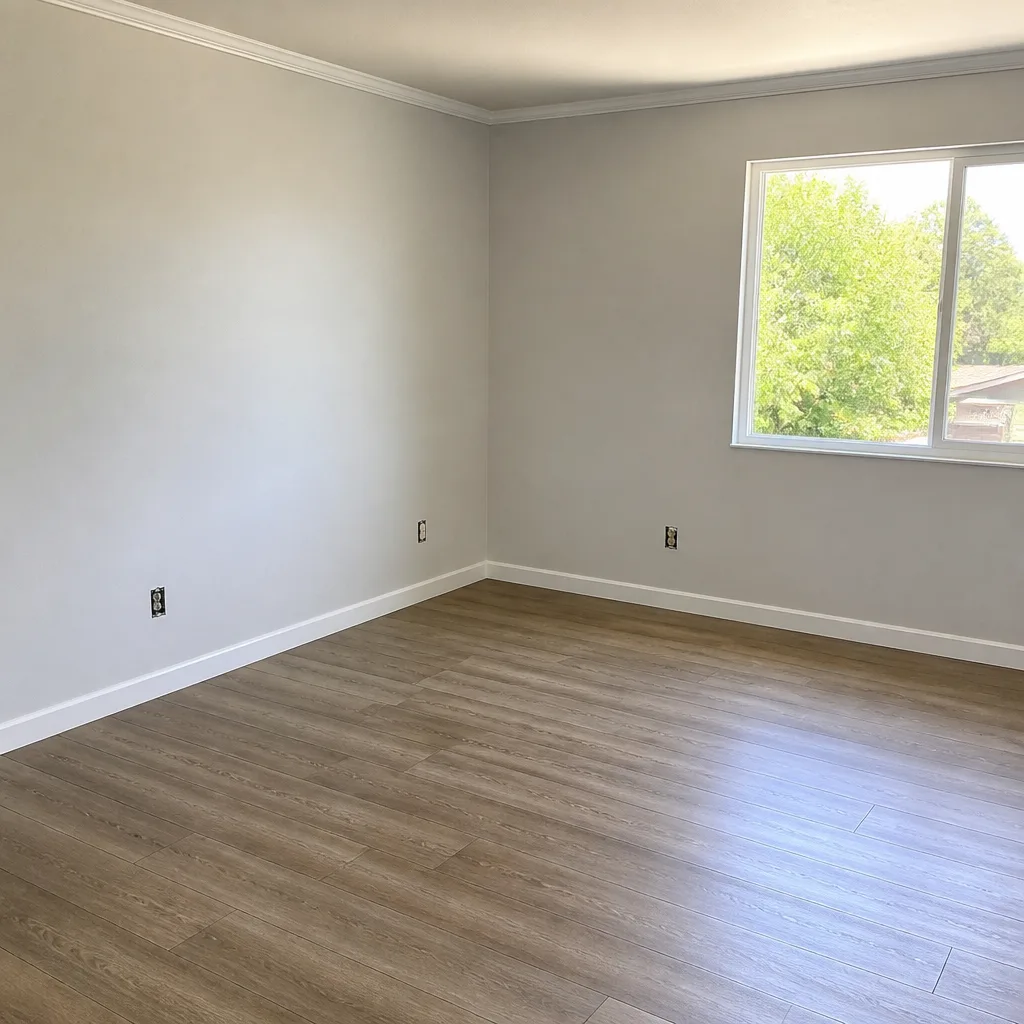 After
After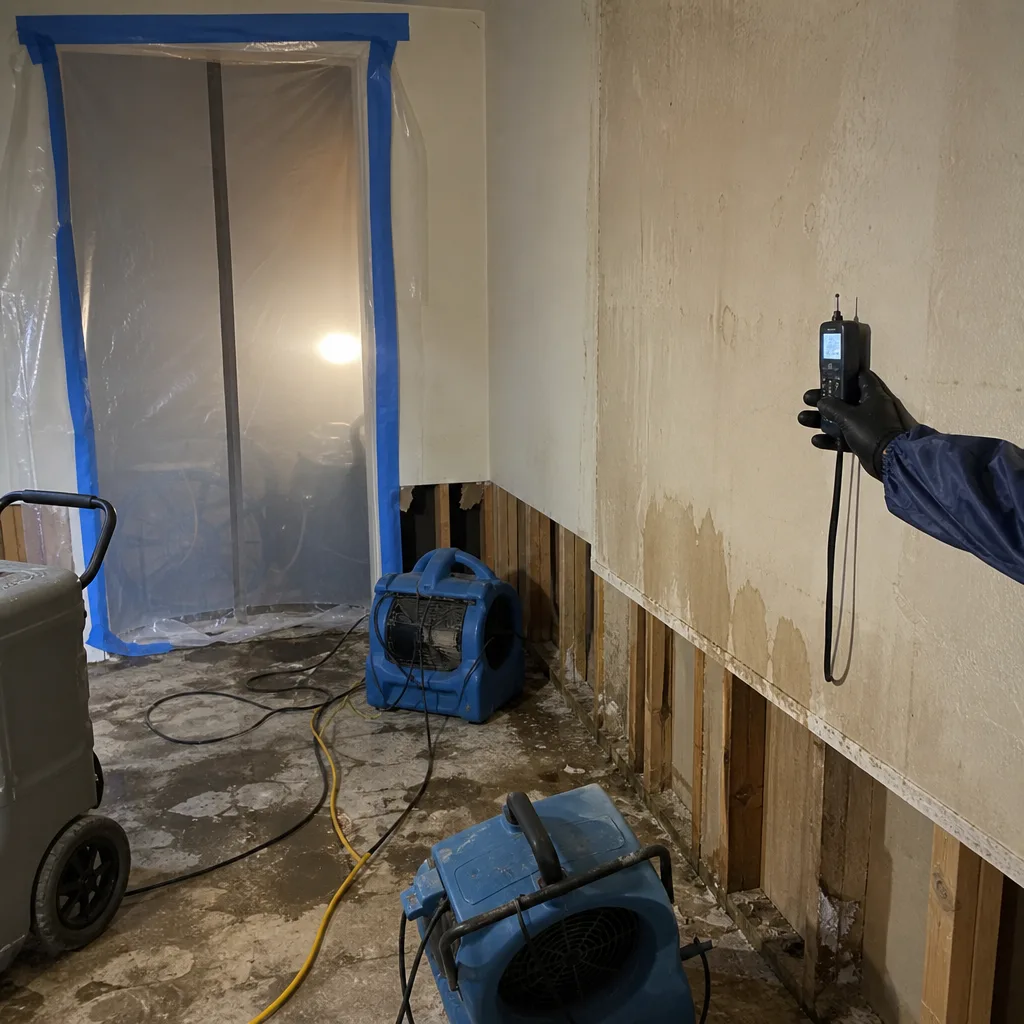 Before
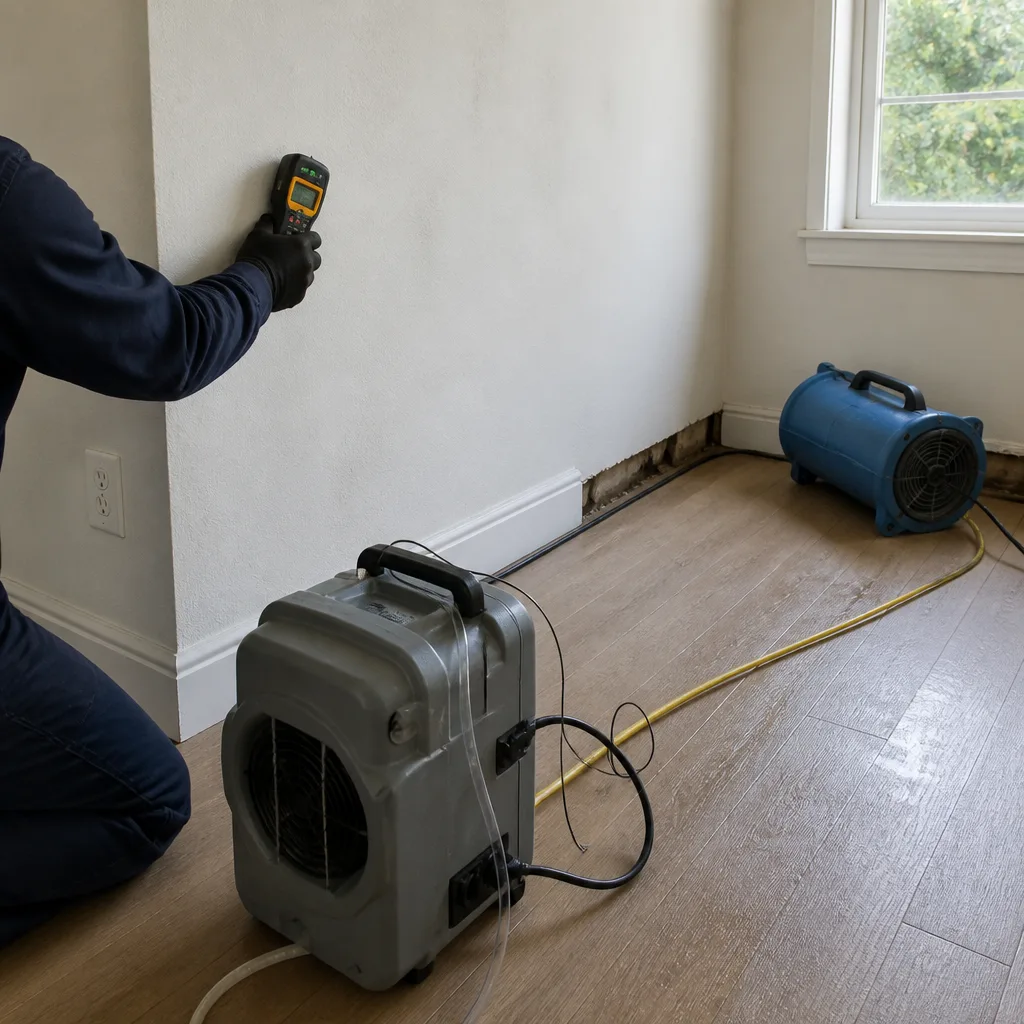 After
AfterDIY vs Professional Damage Restoration: The Lakewood Homeowner’s Decision Guide
A Lakewood homeowner who dries their own flooded bathroom with box fans and calls it done has not completed a restoration - they have started a mold clock with no paper trail to stop it. In our experience since 2011, the most expensive water damage calls we receive in Lakewood are not from the initial flood. They are from the second mold remediation, six months later, when the insurer denies coverage because the first drying phase was never documented to IICRC S500 standards. This guide will show you exactly which restoration tasks you can legally and safely handle yourself in Lakewood, which ones require a CSLB-licensed contractor, and how to protect your insurance position either way - or see our How to Hire a Damage Restoration Contractor in Lakewood: A Step-by-Step Guide for help selecting the right professional.
Quick Answer
Most Lakewood homeowners can safely perform initial water extraction and surface drying on Category 1 water affecting only hard surfaces, provided they document moisture readings, equipment specs, and timestamps daily. For Category 2 or 3 water, any porous material saturation, mold growth exceeding 10 square feet, fire or smoke damage, or any work performed within 24 months of property sale, California law and standard insurance policy language require professional remediation documented to IICRC, RIA, or IFA standards.
Table of Contents
- Where the Legal Line Sits: CSLB Rules and the Homeowner Exception
- Water Classification and the Hard Boundaries of DIY
- Building a Defensible Self-Remediation Log
- What “Reasonable Measures” Actually Means in Your HO-3 Policy
- The Real Cost Calculation: DIY vs. Denied Claim Probability
- Fire, Smoke, Mold, and Biohazard: No-DIY Zones
- Lakewood-Specific Risks: Climate, Soil, and Building Stock
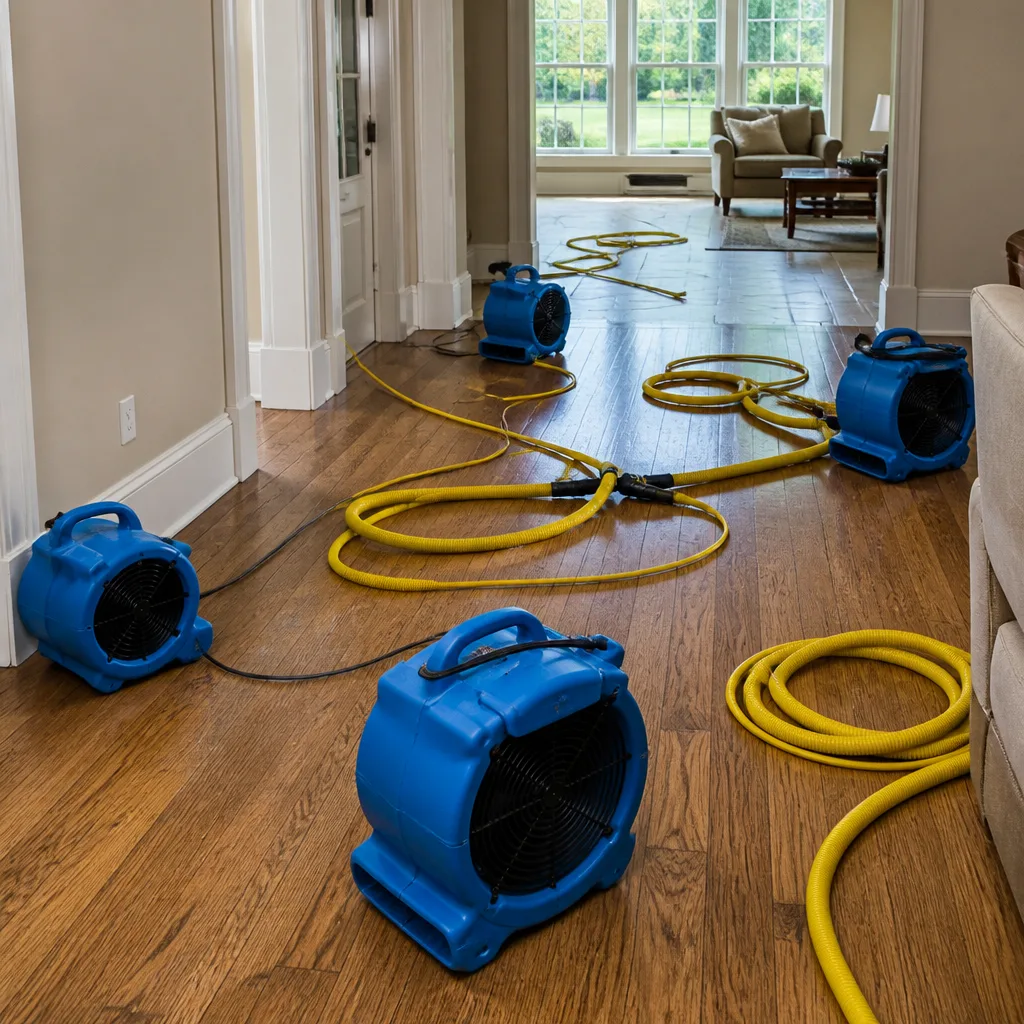
- The Equipment Reality Check: What Box Fans Cannot Do
 Before
 After
AfterWhere the Legal Line Sits: CSLB Rules and the Homeowner Exception
California Contractor State License Board regulations draw a sharp line that many Lakewood homeowners do not discover until they are selling their property or filing a secondary claim. The homeowner exemption in Business and Professions Code Section 7044 allows you to perform construction work on your own single-family residence without a B-General Contractor license, but it does not exempt you from permit requirements, code compliance, or the documentation standards that insurers use to evaluate subsequent claims.
The exemption becomes problematic in three specific scenarios we see regularly in Lakewood:
- Resale within 24 months. If you sell your Lakewood home within two years of performing restoration work, California Civil Code Section 1102.6 requires disclosure of any water damage and remediation. Work performed without a licensed contractor and proper documentation creates a material disclosure gap that can trigger post-sale liability.
- Insurance subrogation. When your insurer pays for damage caused by a third party (a neighbor’s burst pipe, for example), they pursue recovery through subrogation. Undocumented self-remediation reduces the recoverable amount because there is no invoice to support the damages claimed.
- Subsequent damage in the same zone. This is the most common failure pattern in Lakewood’s 1950s-1970s housing stock. A homeowner self-dries a laundry room flood, files no claim, and eighteen months later discovers mold in the wall cavity. The insurer denies the mold claim because the initial moisture intrusion was never professionally documented, leaving no proof that the current mold resulted from a new, covered event rather than the prior, unreported one.
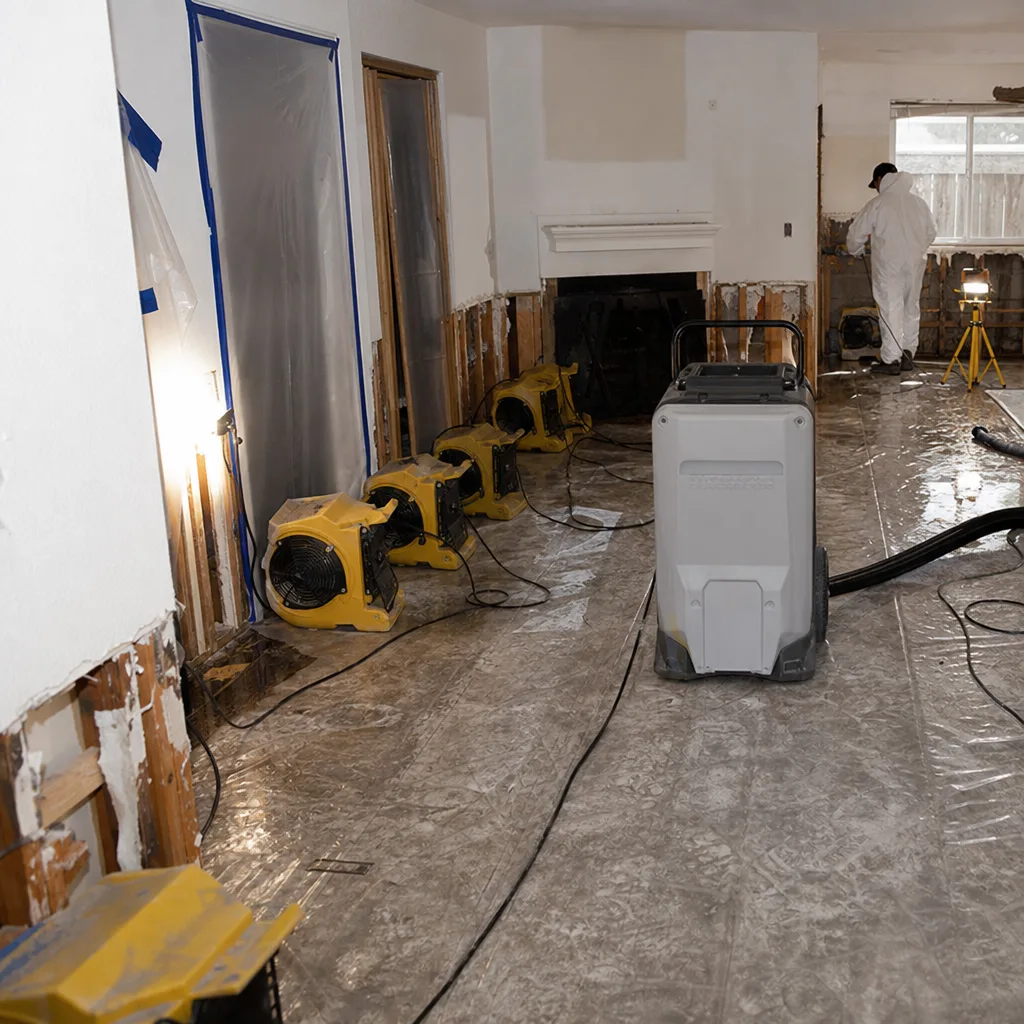
The practical boundary: you may extract standing water, remove wet materials, and run consumer-grade drying equipment on your own property. You may not perform structural drying that requires psychrometric monitoring, apply antimicrobial treatments requiring EPA registration, or handle Category 3 water without OSHA-compliant PPE and disposal documentation. These are not suggestions - they are the documented standards that adjusters apply when reviewing claims.
For water damage restoration in Lakewood that involves wall cavities, subfloors, or any uncertainty about water classification, professional documentation protects your insurability. DryMark Restoration Lakewood provides written scopes under Haven Standard, Clause 1, before any work begins, with license numbers on every technician’s documentation.
Water Classification and the Hard Boundaries of DIY
The IICRC S500 Standard and Reference Guide for Professional Water Damage Restoration defines three water categories that determine what a homeowner can safely attempt. These categories are not about the source alone - they are about what the water has contacted and how that contact changes the contamination level over time.
Category 1: Clean Water - Limited DIY Permissible
Category 1 water originates from a sanitary source and does not pose substantial risk from dermal, ingestion, or inhalation exposure. Examples include broken supply lines, tub or sink overflows with no contaminants, and melting ice or snow. In Lakewood, where municipal water meets state purity standards, a burst kitchen supply line fits this category initially.
What you can do:
- Extract standing water with a wet/dry vacuum rated for the volume present
- Remove wet, unsalvageable porous materials (cardboard, carpet pad, some insulation types)
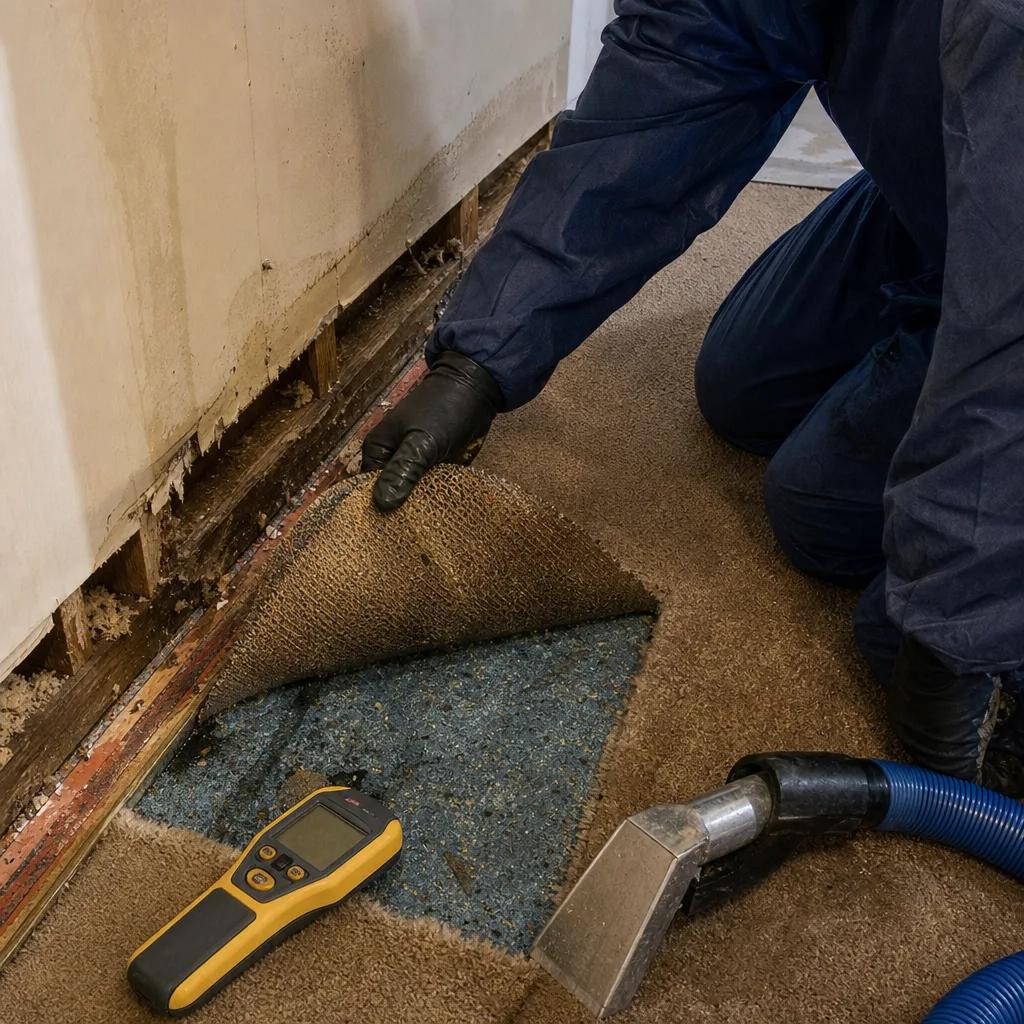
- Place air movers and dehumidifiers to create vapor pressure differential - the measurable force that drives moisture from wet materials into the air, where dehumidification captures it
- Monitor with a consumer-grade moisture meter, recording readings and timestamps
The critical limitation: Category 1 degrades to Category 2 within 24-48 hours, and to Category 3 within 72 hours, depending on temperature and material contact. Lakewood’s mild coastal climate slows this degradation slightly compared to inland California, but it does not stop it. A Category 1 flood in a Lakewood home on Friday evening becomes Category 2 by Sunday morning if not properly dried. The boundary is time and documentation, not intention.
Category 2: Gray Water - Professional Required for Documentation
Category 2 water contains significant contamination and has the potential to cause discomfort or sickness if contacted or consumed. Sources include dishwasher discharge, washing machine overflow, toilet overflow with urine but no feces, and hydrostatic pressure seepage. The IICRC S500 requires professional remediation for Category 2 because antimicrobial treatment, controlled demolition, and verified drying are necessary to return the space to a pre-loss condition that an insurer will recognize.
In Lakewood, we see Category 2 most often from:
- Failed washing machine hoses in the original 1960s ranch homes concentrated north of Del Amo Boulevard
- Hydrostatic seepage through slab foundations in the Mayfair neighborhood, where the clay-heavy soil creates seasonal moisture pressure
- Sump pump failures during the brief but intense winter rain periods that saturate the local water table
Professional remediation for Category 2 includes documented application of EPA-registered antimicrobials, disposal manifests for contaminated materials, and daily psychrometric data - temperature, relative humidity, and specific humidity readings - that prove drying progression. A homeowner performing this work without documentation creates the evidentiary gap that voids subsequent coverage.
Category 3: Black Water - No Homeowner Exception Applies
Category 3 water is grossly contaminated and can contain pathogenic, toxigenic, or other harmful agents. Sources include sewage backup, seawater flooding, rising surface water from streams or rivers, and water from Category 2 sources left untreated beyond 48 hours. OSHA regulations, California Health and Safety Code, and standard insurance policy exclusions make Category 3 remediation strictly professional work.
The documentation requirements for Category 3 are extensive: hazardous waste manifests, technician exposure logs, PPE compliance records, and clearance testing by an independent environmental professional. No homeowner exemption covers this work. Attempting it yourself voids coverage, violates health codes, and creates personal liability if contamination spreads to adjacent properties.
DryMark Restoration Lakewood home provides 24-hour live dispatch for Category 3 events, with background-checked technicians and documented disposal compliance.
Building a Defensible Self-Remediation Log
If you choose to perform initial drying on Category 1 water yourself, you must build a documentation package that can withstand adjuster review. We have reviewed thousands of claims since 2011, and the self-remediation logs that survive scrutiny share specific characteristics. Here is the standard we recommend, derived from the documentation requirements that professional firms like ours maintain under IICRC, RIA, and IFA protocols.
Required Documentation Elements
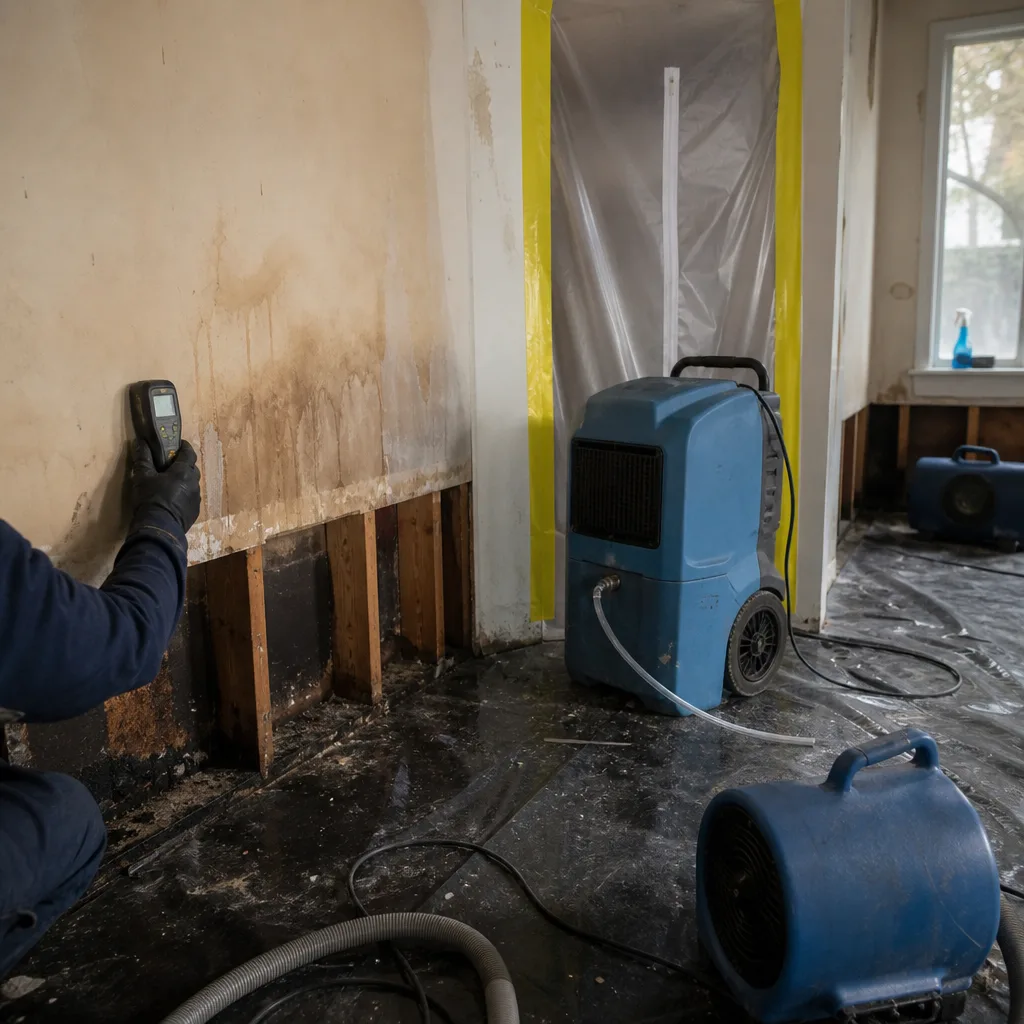
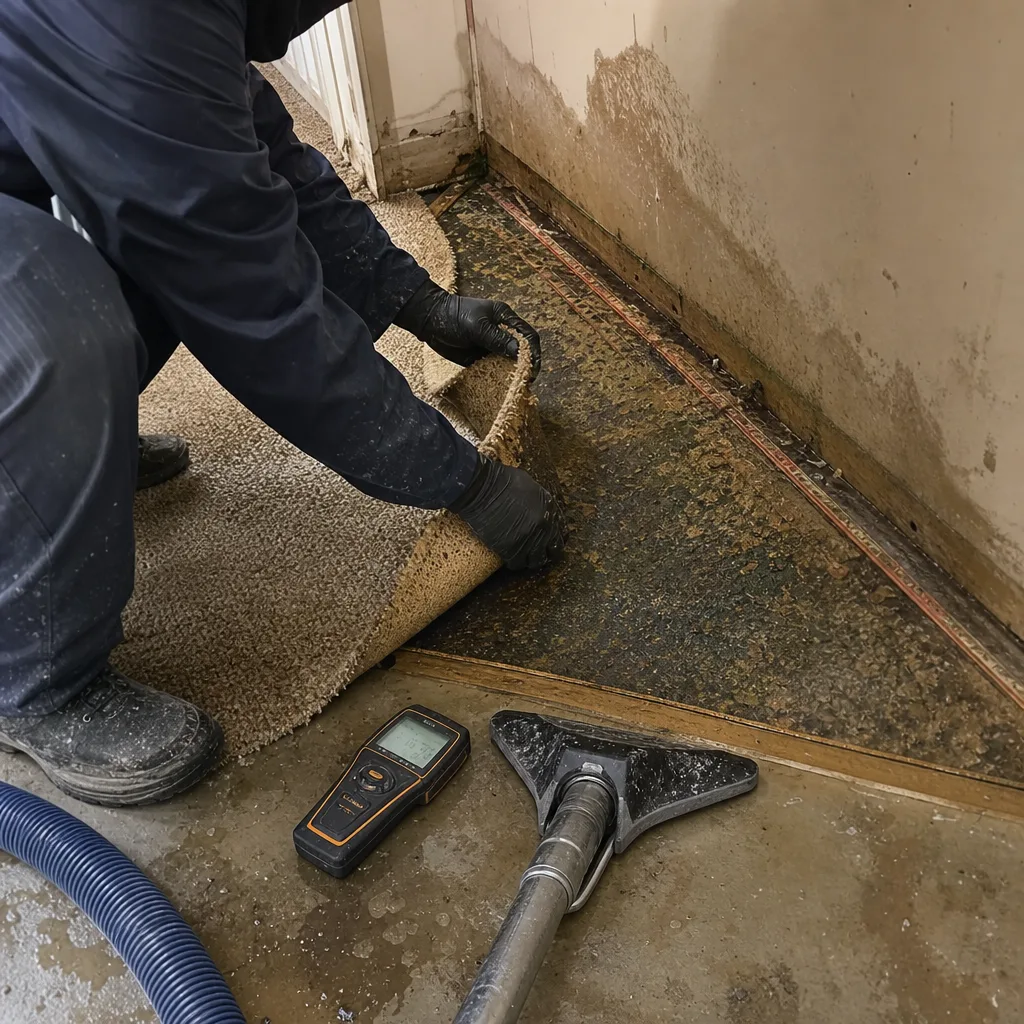
- Initial moisture readings with equipment calibration. Record the make, model, and serial number of your moisture meter. Document readings in affected areas and in unaffected control areas for comparison. Pin-type meters are preferred for wood framing; non-invasive meters for initial surface scanning. Record the depth setting and scale used.
- Photographic record with timestamps. Every photo must show the date and time, either through camera metadata or a physical timestamp display. Photograph: water line marks on walls, removed materials before disposal, equipment placement, and daily progression of drying. Store originals - not screenshots or compressed copies.
- Equipment specification and runtime logs. Document the manufacturer, model, CFM rating, and pint-per-day capacity of every air mover and dehumidifier. Record start times, daily runtime hours, and repositioning. Consumer-grade equipment specifications are available from manufacturers like Dri-Eaz and B-Air; professional-grade specs from Phoenix and XPOWER set the comparison standard.
- Environmental conditions. Record ambient temperature and relative humidity at the same time daily, in the same location. Psychrometric calculators are available online; the goal is to show that you maintained conditions conducive to drying, not just that you ran equipment.
- Material removal manifest. List every removed item by type, approximate square footage or linear footage, and disposal method. For carpet and pad, note the face weight and backing type if visible. This supports replacement cost calculations if you later file a claim.
- Final verification readings. Document that affected materials returned to within 4 percentage points of dry standard for wood, or below 16% moisture content for gypsum, per IICRC S500 guidelines. Compare to your control area readings.
The purpose of this log is not to replace professional documentation - it cannot. The purpose is to create a contemporaneous record that establishes your diligence if a subsequent claim arises. An adjuster reviewing a secondary mold claim will ask: “What did the homeowner do after the first event, and was it reasonable?” Your log answers that question with evidence rather than memory.
What “Reasonable Measures” Actually Means in Your HO-3 Policy
Standard California HO-3 homeowners policies contain a “Duties After Loss” section that requires the insured to protect property from further damage. The language varies by carrier, but the core requirement is consistent: you must take reasonable measures to mitigate loss, and you must document those measures. What “reasonable” means, however, is where homeowners and insurers diverge - and where documentation determines the outcome.
In our experience as former adjusters and restoration contractors, “reasonable measures” in practice means:
- Immediate response within the time frame a professional could have responded. In Lakewood, with our proximity to multiple restoration firms, insurers expect initial response within 2-4 hours for active water intrusion. Waiting until morning to address a burst pipe discovered at 10 PM is not reasonable.
- Equipment commensurate with the loss. Running a single box fan in a 400-square-foot flooded room is not reasonable. The equipment deployed must have sufficient capacity to affect the environment, measured in air changes per hour and dehumidification capacity relative to the space volume.
- Duration sufficient to achieve dry standard. Stopping when surfaces feel dry is not reasonable. Materials must reach documented equilibrium moisture content, verified by meter readings compared to dry standards.
- Professional escalation when indicated. Continuing DIY efforts beyond 48 hours without dry standard achievement, or proceeding without ability to monitor hidden cavities, is not reasonable. At this point, the duty requires professional engagement.
The critical insurance dynamic: your duty to mitigate does not require you to perform professional-grade remediation yourself. It requires you to act as a prudent homeowner would - which includes knowing when to call a professional. A documented call to a licensed contractor, even if you decline service, can satisfy the reasonable measures requirement more effectively than incomplete self-remediation.
Standard HO-3 policies also contain a “voluntary payments” or “repair cost” provision that covers reasonable emergency measures you take yourself, typically up to $500-$1,500 depending on the carrier. This is not a license to self-remediate fully - it is reimbursement for immediate protective action. To claim it, you need receipts and documentation. Without them, the provision is uncollectable.
The Real Cost Calculation: DIY vs. Denied Claim Probability
The comparison most Lakewood homeowners make is wrong. They add up equipment rental, materials, and their time, then compare that total to a contractor’s estimate. The meaningful comparison is different: the cost of DIY, plus the probability-weighted cost of a denied subsequent claim, versus the cost of professional remediation with transferable documentation.
Here is the framework we use when advising homeowners who call for our water damage restoration in Lakewood:
| Scenario | DIY Cost | Professional Cost | Subsequent Claim Denial Risk | Expected Total Cost (DIY + Weighted Denial) |
|---|---|---|---|---|
| Category 1, hard surfaces only, <50 sq ft, documented | $150-$400 | $800-$1,400 | 15-25% | $2,250-$6,400* |
| Category 1, porous materials involved, any wall cavity | $400-$800 | $1,800-$3,500 | 35-50% | $5,650-$17,800* |
| Category 2, any porous material | $600-$1,200 | $3,500-$7,000 | 60-75% | $12,600-$37,200* |
| Category 3 or mold >10 sq ft | Not applicable | $5,000-$15,000+ | 90-100% if self-performed | Professional required |
*Expected total cost assumes a $15,000 subsequent claim (mold remediation, structural repair, or similar) and applies the denial probability to that amount, added to initial DIY cost.
The calculation changes dramatically when you factor in the documentation value. Professional remediation produces: a written scope with line-item pricing, daily moisture logs, photo documentation, equipment specifications, and a completion certificate. This package transfers to future owners, supports future claims, and satisfies disclosure requirements. DIY produces none of these unless you build the defensible log described above - and even then, it lacks the third-party verification that insurers weight heavily.
In Lakewood’s market, where median home values exceed $700,000 and resale timelines average 5-7 years, the documentation asset has measurable value. A home with documented professional remediation history commands better buyer confidence and cleaner inspection reports than one with owner-performed work, however competent.
Fire, Smoke, Mold, and Biohazard: No-DIY Zones
Water damage occupies a gray zone where limited homeowner action is permissible. Fire, smoke, mold beyond minimal surface growth, and biohazard contamination occupy no such zone. These damage types have no homeowner exemption under California law or standard insurance policy language, and for good reason: the risks extend beyond the immediate property to occupant health, adjacent properties, and environmental contamination.
Fire and Smoke Damage
Even a small kitchen fire in a Lakewood home produces combustion byproducts that require professional assessment. Smoke residues are categorized by type - dry smoke, wet smoke, protein residue, and fuel oil soot - each requiring specific cleaning agents and methods. Improper cleaning can drive residues deeper into porous materials, making subsequent professional remediation more expensive and less effective.
More critically, structural integrity assessment after fire requires visual inspection of concealed spaces - wall cavities, attic spaces, subfloor areas - that homeowners cannot safely access. The fire and smoke damage restoration in Lakewood that we perform includes thermal imaging to identify hidden fire extension, air quality testing for particulate and VOC levels, and documentation of every affected surface for insurance submission.
Mold Remediation
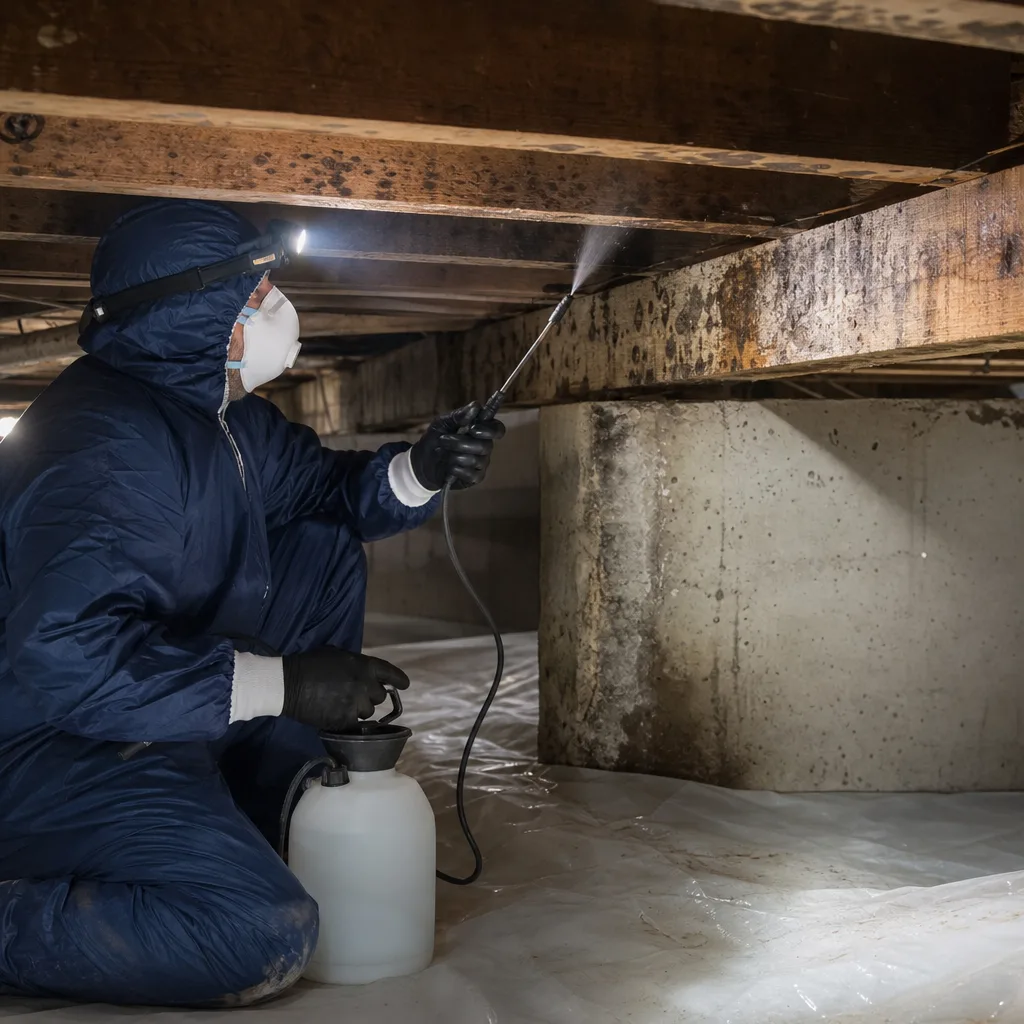
California does not currently require mold remediation licensure, but the IICRC S520 Standard and Reference Guide for Professional Mold Remediation establishes the documented standard that insurers apply. For contamination exceeding 10 square feet, professional containment, negative air pressure, HEPA filtration, and post-remediation verification testing are the standard of care.
The documentation gap in self-performed mold remediation is severe. Without air sampling before and after, without containment photographs, without disposal manifests for contaminated materials, there is no proof that remediation occurred at all. When mold recurs - and it often does, when underlying moisture was not addressed - the insurer treats the recurrence as a maintenance issue, not a covered peril.
For mold remediation in Lakewood, particularly in the older homes near Lakewood Boulevard where original lath-and-plaster construction creates extensive hidden cavities, professional documentation is not optional. It is the difference between a covered claim and a $15,000 out-of-pocket mold remediation.
Biohazard and Crime Scene Cleanup
California Health and Safety Code Section 17920 and OSHA Bloodborne Pathogens Standard 1910.1030 make biohazard cleanup strictly professional work. This includes suicide, unattended death, homicide, and significant trauma scenes. The regulatory requirements for disposal, decontamination verification, and worker protection cannot be met by homeowners. Insurance coverage for these events typically requires professional documentation as a condition of payment.
Lakewood-Specific Risks: Climate, Soil, and Building Stock
Lakewood’s geography and development history create restoration scenarios that differ from inland Orange County and from coastal Los Angeles. Understanding these local factors helps homeowners make informed decisions about DIY versus professional response, including our Seasonal Damage Restoration Care for Lakewood: Year-Round Homeowner’s Guide.
Soil and Foundation Dynamics
Lakewood sits on the Lakewood Fan, a geologic formation of alluvial deposits with high clay content in many areas. Clay soils expand when wet and contract when dry, creating seasonal foundation movement. In the Mayfair neighborhood and areas north of Carson Street, we see slab-on-grade foundations with minimal moisture barriers that allow hydrostatic pressure to drive groundwater through slab joints. This is not a DIY-diagnosable condition - it requires moisture mapping with thermal imaging and slab relative humidity testing to distinguish from plumbing leaks.
Homeowners who self-diagnose “damp concrete” as a minor issue without professional moisture mapping often install flooring over compromised slabs, trapping moisture and creating mold conditions that manifest two to three years later, outside any claim window.
Building Age and Material Vulnerabilities
Lakewood’s housing stock is predominantly 1950s-1970s construction: post-war tract homes with original galvanized plumbing, unconditioned attics, and minimal insulation by current standards. Specific vulnerabilities we document regularly:
- Galvanized steel supply lines. Nearing end of service life across the city, with interior corrosion that reduces flow and increases burst risk. A DIY response to a burst galvanized line addresses the symptom, not the systemic failure.
- Original sewer laterals. Many Lakewood homes still have original clay or Orangeburg pipe laterals, now 60-70 years old. Tree root intrusion in the established neighborhoods near Del Amo Boulevard and Lakewood Boulevard causes recurring sewage backups that homeowners mistake for isolated events.
- Lath-and-plaster wall systems. Prevalent in 1950s construction, these systems hold moisture differently than modern drywall and require specialized drying protocols. Standard drywall-oriented DIY approaches leave moisture trapped in plaster keys and wood lath, creating delayed mold growth.
Climate Patterns
Lakewood’s Mediterranean climate with marine layer influence creates specific drying challenges. Summer morning humidity often exceeds 80%, reducing the effectiveness of passive ventilation. Winter rain periods, though brief, can saturate the local water table and drive hydrostatic pressure for weeks. Professional drying equipment with adequate dehumidification capacity - measured in pints per day at AHAM conditions - is necessary to overcome these ambient conditions. Consumer-grade equipment typically lacks this capacity.
The Equipment Reality Check: What Box Fans Cannot Do
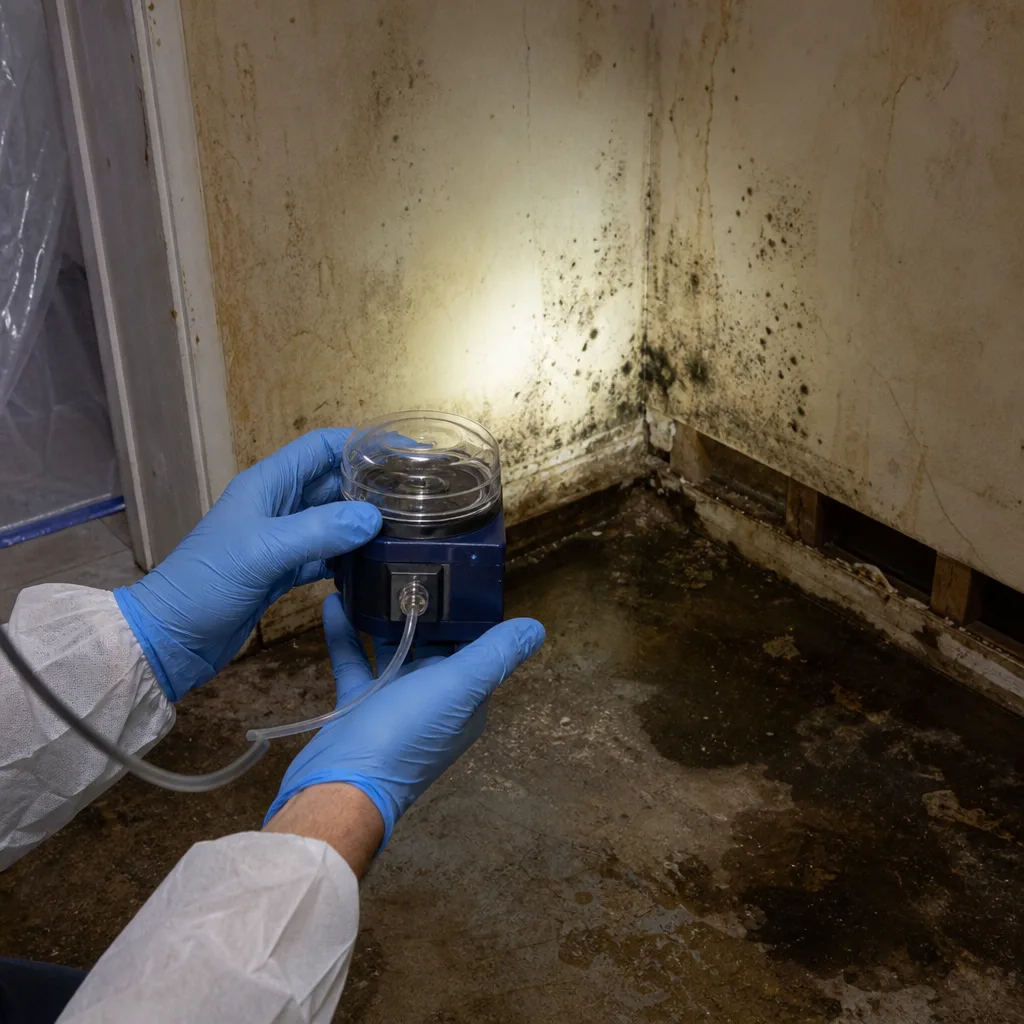
The most common DIY failure we encounter in Lakewood is equipment inadequacy. Homeowners rent or purchase consumer-grade air movers and dehumidifiers that are insufficient for the volume of affected space, then interpret surface dryness as completion. Here is the technical reality.
Professional drying operates on psychrometric principles: the manipulation of temperature, humidity, and air velocity to create optimal evaporation conditions. Key metrics include:
- Vapor pressure differential. The measurable difference between the vapor pressure in the wet material and the vapor pressure in the surrounding air. Professional equipment maintains a differential of sufficient magnitude to drive moisture migration. Box fans move air without creating this differential.
- Grain depression. The difference in moisture content of air entering and exiting the dehumidifier, measured in grains per pound. Professional refrigerant dehumidifiers achieve grain depression of 30-50+ grains under optimal conditions. Consumer-grade units typically achieve 15-25 grains, requiring exponentially longer drying times.
- Air changes per hour (ACH). The number of times the total air volume in a space is replaced. Effective drying requires 3-5 ACH at the surface level. A single box fan in a 12×12 room with 8-foot ceilings provides approximately 0.3-0.5 ACH - an order of magnitude below effective drying threshold.
Professional-grade drying systems from manufacturers like Dri-Eaz, Phoenix, and Injectidry are specified to achieve these metrics in controlled conditions. The daily drying logs we produce document grain depression, ACH, and vapor pressure differential - the evidence that drying occurred, not merely that equipment ran. This documentation is what transforms a restoration invoice into a payable insurance claim.
For homeowners committed to DIY, equipment rental from restoration supply houses (not general equipment rental) is necessary. Specify: low-grain refrigerant dehumidifiers (not desiccant, which requires more complex operation), axial or centrifugal air movers rated minimum 3,000 CFM, and a thermo-hygrometer capable of calculating dew point and vapor pressure. Total rental cost for a 3-5 day drying period typically runs $400-$700 - approaching the cost differential of professional service when labor and documentation time are included.
Common Mistakes to Avoid
- Stopping at surface dryness. In Lakewood’s lath-and-plaster homes, surface dryness with underlying moisture in wall cavities is the most common precursor to secondary mold claims. Always verify with pin-type moisture meters at depth.
- Using bleach on mold. Bleach does not penetrate porous materials and can compound moisture problems. It is not an EPA-registered antimicrobial for structural remediation and creates documentation problems if used before professional assessment.
- Failing to photograph before disturbing anything. Insurance adjusters review pre-mitigation photos to verify loss scope. Moving or removing materials before documentation reduces recoverable amounts.
- Ignoring the 48-hour Category 1 window. Lakewood’s mild climate extends this slightly, but not indefinitely. Category 1 water left beyond 48 hours becomes Category 2, changing both health risks and insurance coverage.
- Self-performing work before insurer notification. Most policies require prompt notification. Performing significant remediation before notifying your carrier can violate policy conditions and reduce coverage.
- Disposing of materials without manifest. Without itemized removal documentation, replacement cost coverage cannot be calculated. Save samples of removed carpet, pad, and drywall where possible.
- Assuming homeowner’s insurance covers all DIY outcomes. Faulty or incomplete DIY remediation that causes subsequent damage may be excluded under policy maintenance and workmanship exclusions.
When to Call a Professional
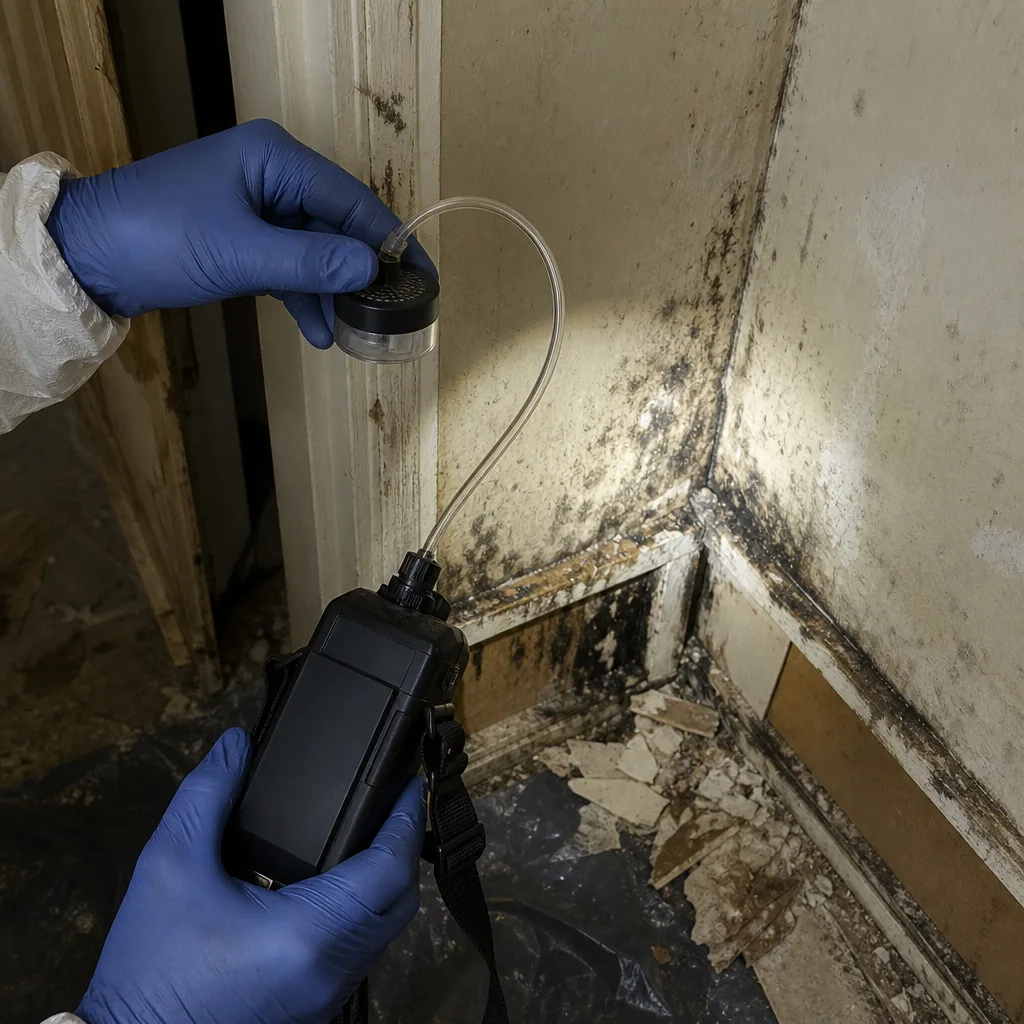
Call a licensed restoration contractor immediately when: water exceeds Category 1 classification; any porous structural material is saturated; mold growth exceeds 10 square feet; fire or smoke damage has occurred; sewage or biohazard contamination is present; the affected area includes HVAC systems or electrical components; or you intend to sell the property within 24 months and need transferable documentation.
DryMark Restoration Lakewood offers free estimates in Lakewood - call (562) 373-6757. Every estimate includes a written scope before work begins, Haven Standard, Clause 1. We also provide a Free Second Opinion on any competitor’s written estimate, with no obligation. For more guides & resources, visit our blog.
Frequently Asked Questions
You can file a claim, but coverage for subsequent damage in the same area may be denied without documentation proving the initial drying met professional standards. Build a defensible self-remediation log with daily moisture readings, equipment specifications, and timestamped photos - our Water Damage Restoration Maintenance Checklist for Lakewood Homeowners can help - or call a professional for documented drying that protects your future coverage.
Live person answers every call, 24 hours a day, 7 days a week - no voicemail trees. For active water intrusion in Lakewood, we typically arrive within 60-90 minutes during normal dispatch periods. Emergency response prioritizes Category 2 and 3 water, fire damage, and active mold conditions.
Standard California HO-3 policies reimburse reasonable emergency measures up to a limited amount, typically $500-$1,500, with receipts and documentation. They do not cover the full cost of self-performed remediation, and they will not cover subsequent damage resulting from incomplete DIY work. Professional remediation with documentation is the surer coverage path.
Cosmetic removal of wet drywall below the flood cut line does not require a permit, but replacement of structural elements, electrical boxes, or plumbing fixtures does. If your removal affects load-bearing elements or you are within 24 months of sale, professional documentation and permit compliance protect against disclosure liability.
The 365-Day Done Right Promise, Haven Standard, guarantees that if any work we perform is not done right, we make it right - a written warranty, not a verbal assurance. It covers workmanship and materials for 365 days from completion, with documented photo records supporting any warranty claim. This transfers to subsequent owners if you sell within the warranty period.
Category 1 comes from clean supply lines with no contaminant contact. Category 2 shows visible cloudiness, originates from appliances or hydrostatic seepage, or is Category 1 left beyond 48 hours. Category 3 is sewage, seawater, or any water with visible contamination or foul odor. When in doubt, assume the higher category and call for professional assessment - misclassification risks health and coverage.
The Bottom Line
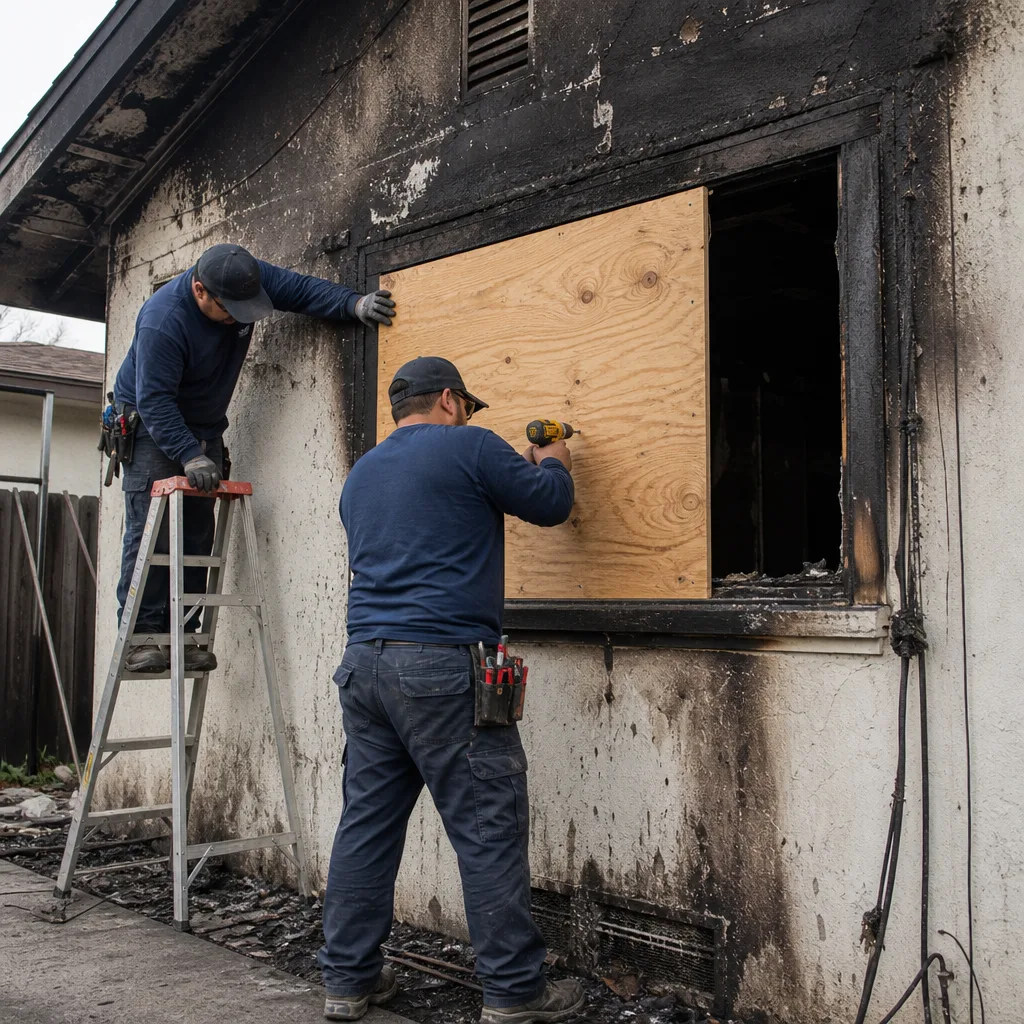
The DIY versus professional restoration question in Lakewood is ultimately a documentation decision. Limited Category 1 water damage on hard surfaces can be self-managed with rigorous logging, but the documentation burden is substantial and the margin for error narrow. Any porous material involvement, time pressure, uncertainty about water classification, or future sale plans shifts the calculation toward professional remediation. The cost difference is smaller than it appears when you include the probability-weighted cost of denied subsequent claims. Professional documentation - written scope, daily moisture logs, photo records, and transferable warranty - is an asset that protects your home’s value and your insurance position for years.
Written by Alicia Brennan, Owner at DryMark Restoration Lakewood, serving Lakewood since 2011.