
Last updated September 23, 2026
Free visual inspection and a written scope of work before any mitigation begins - photos, moisture readings, and drying logs go in your claim file
The scope we write is the scope we bill. Anything new gets shown to you, in writing, before we touch it.
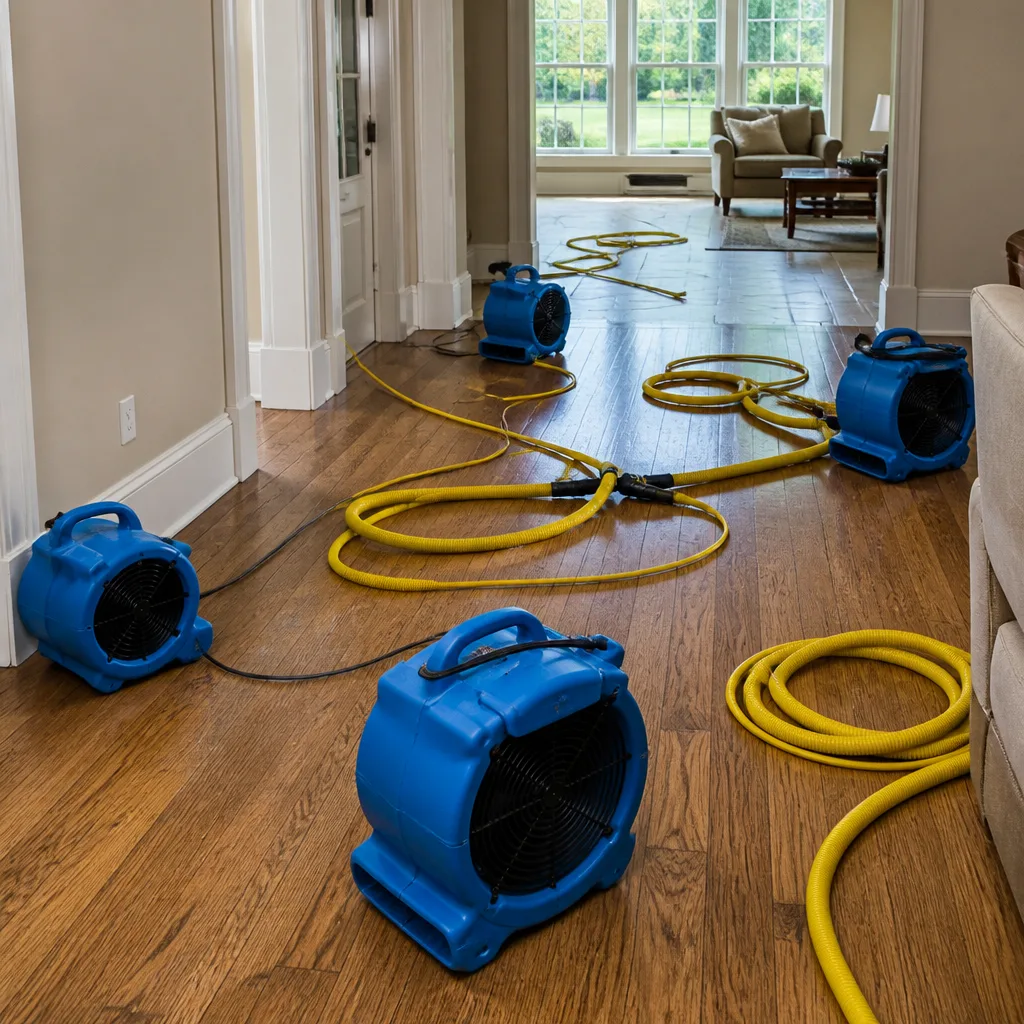
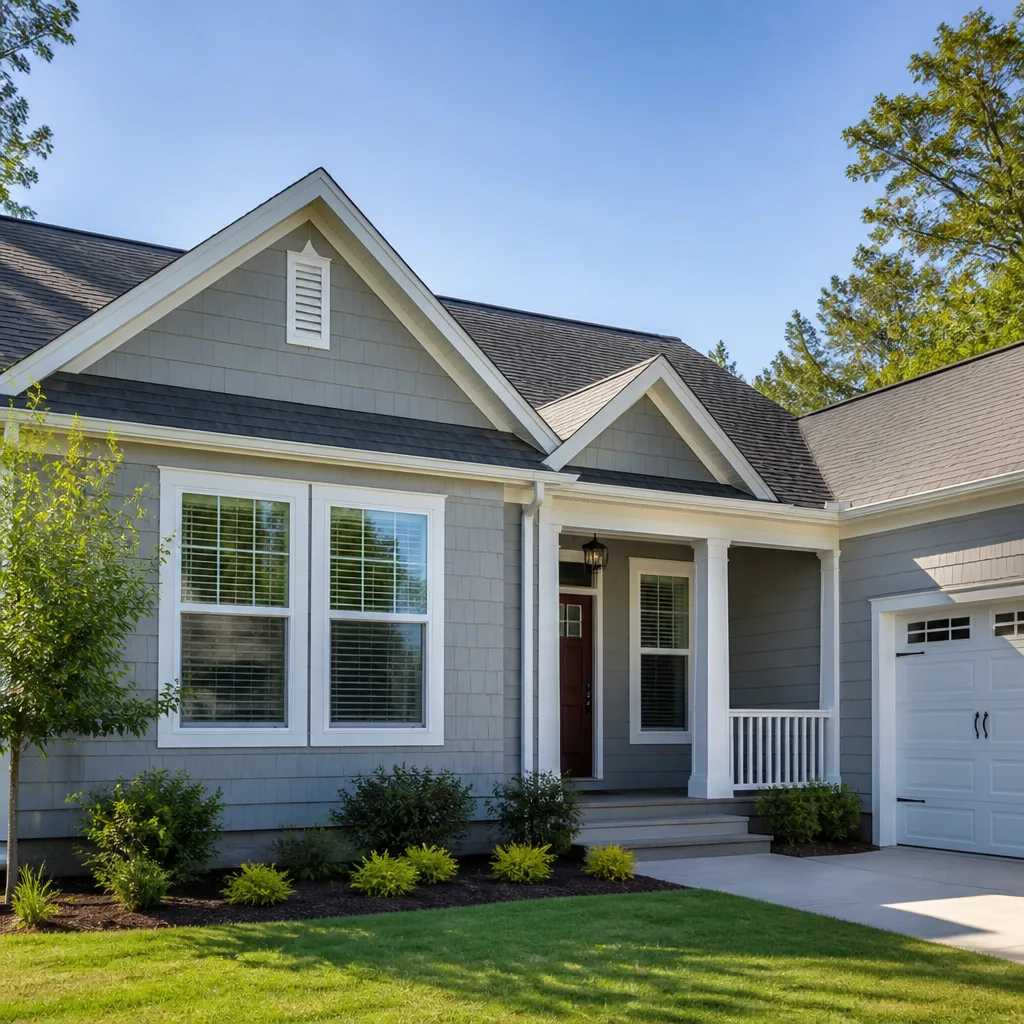
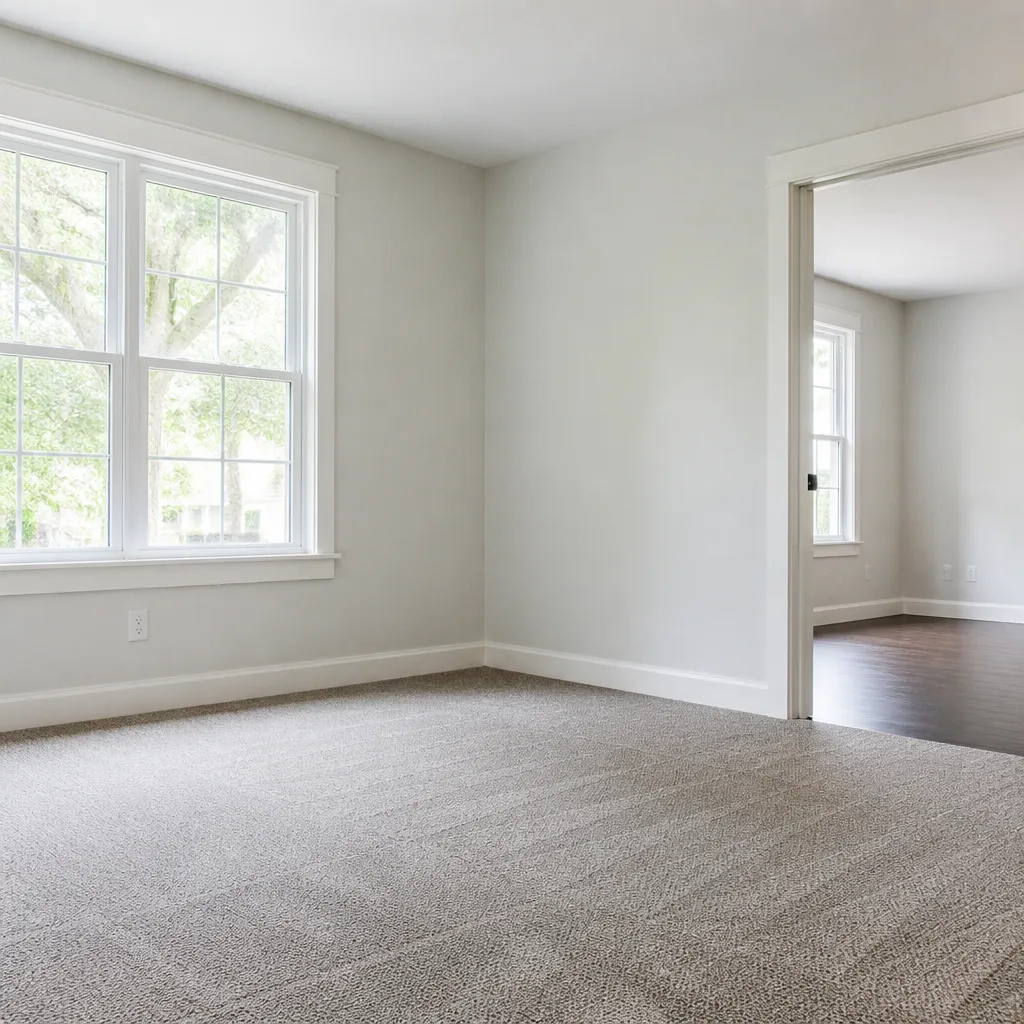
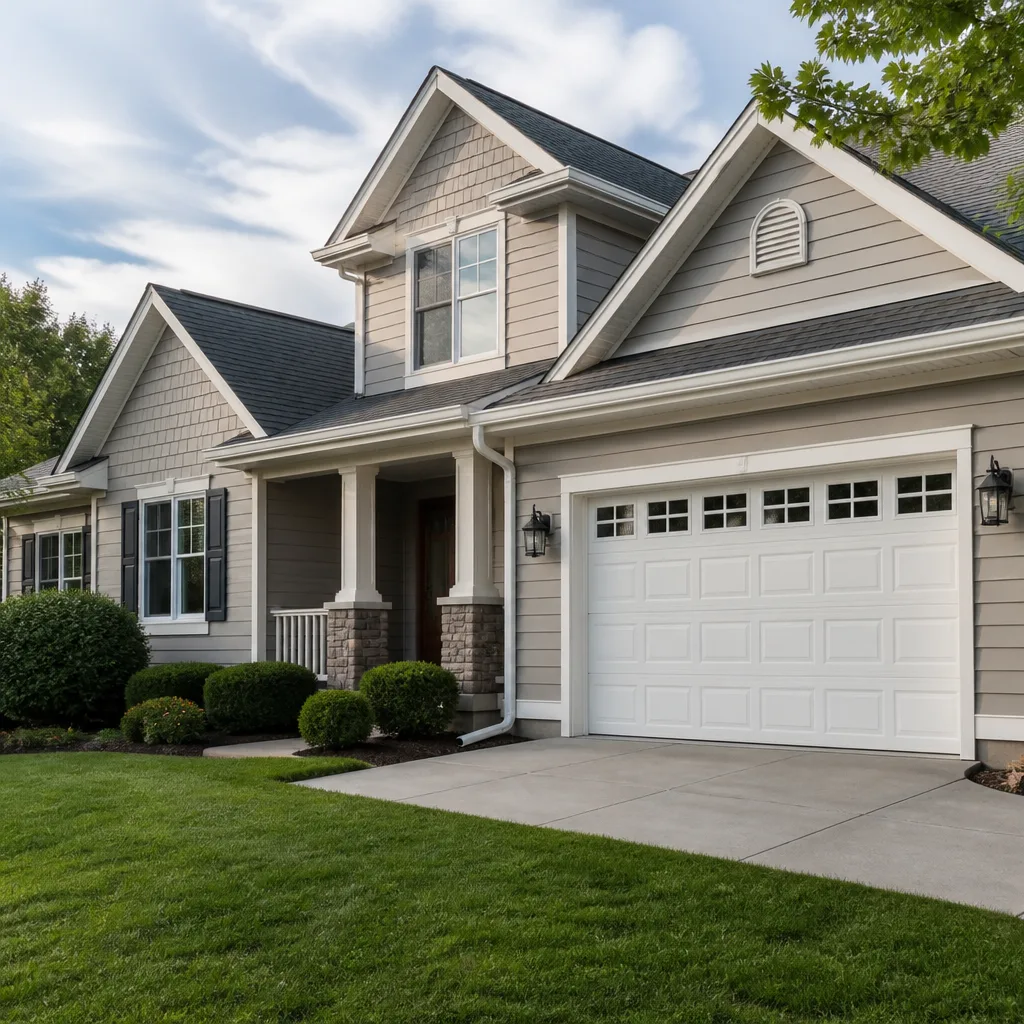
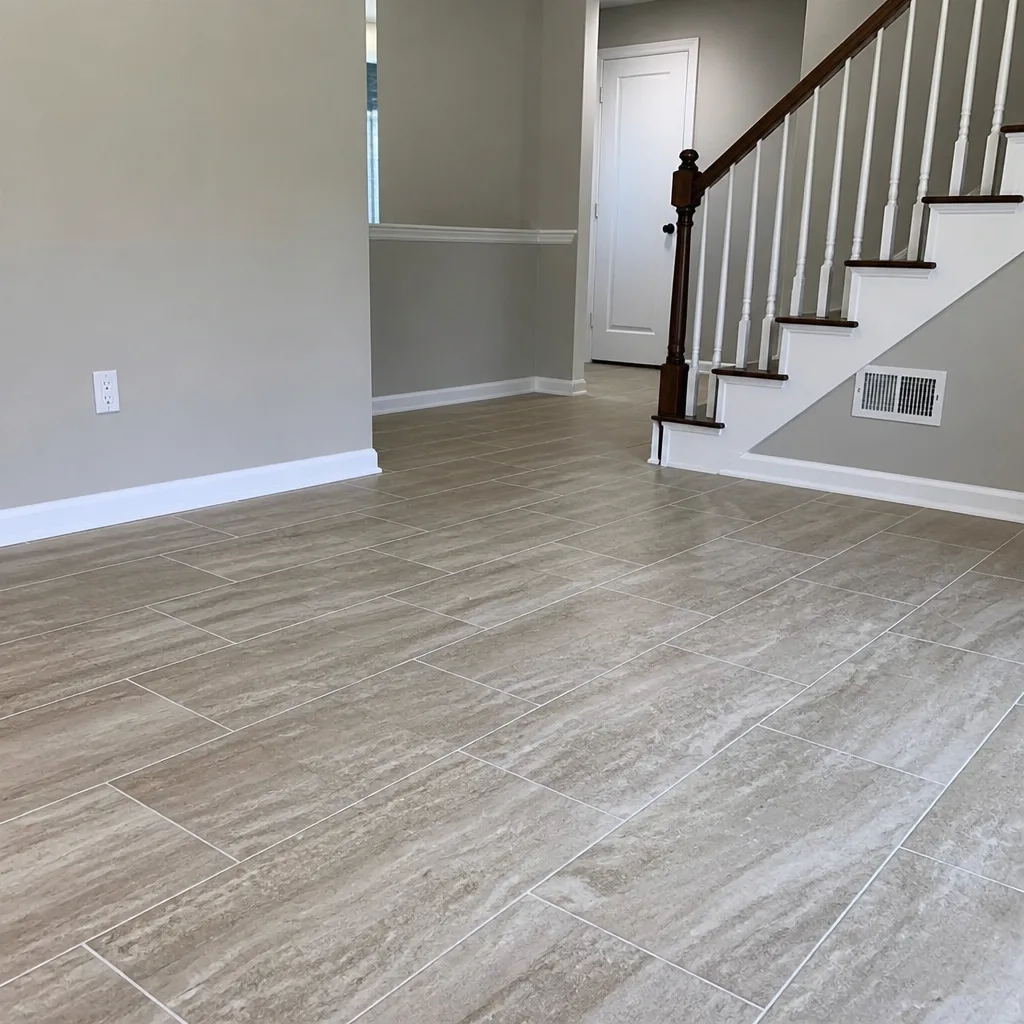
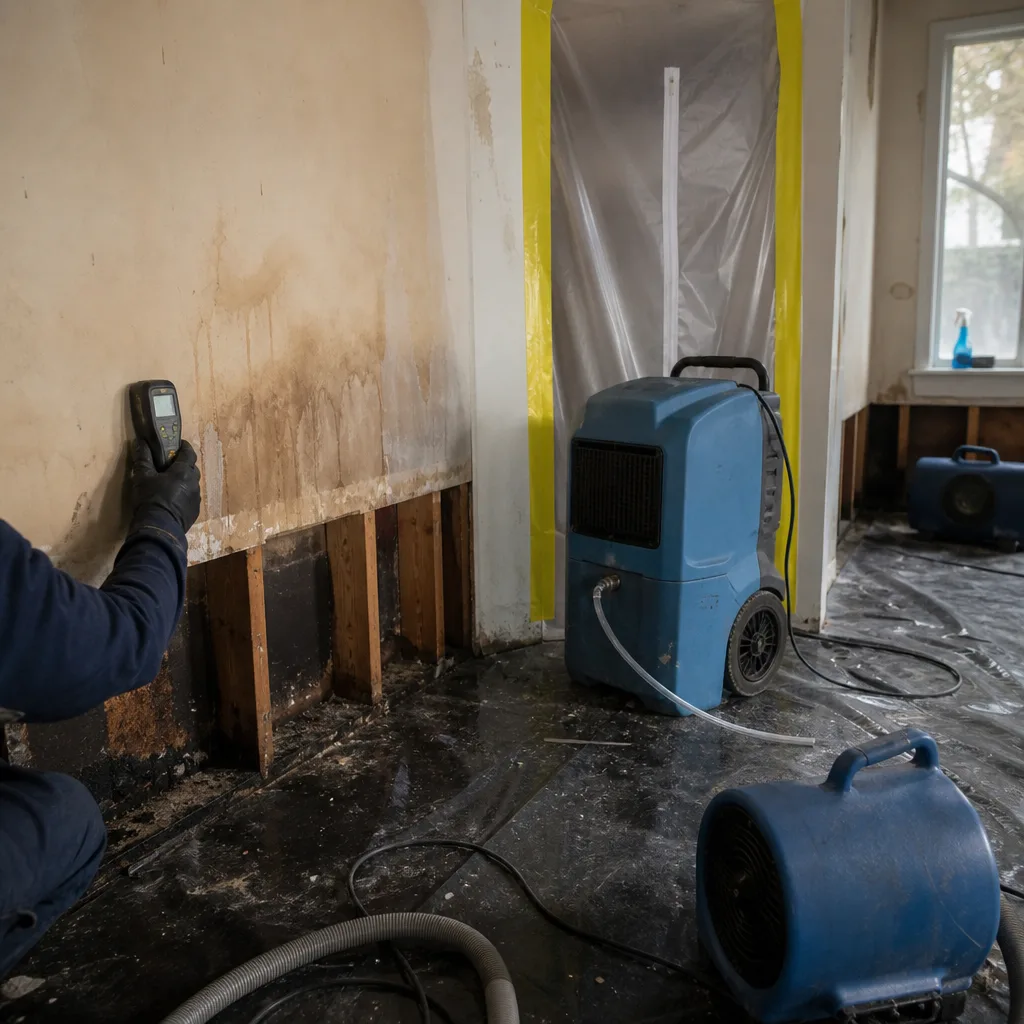 Before
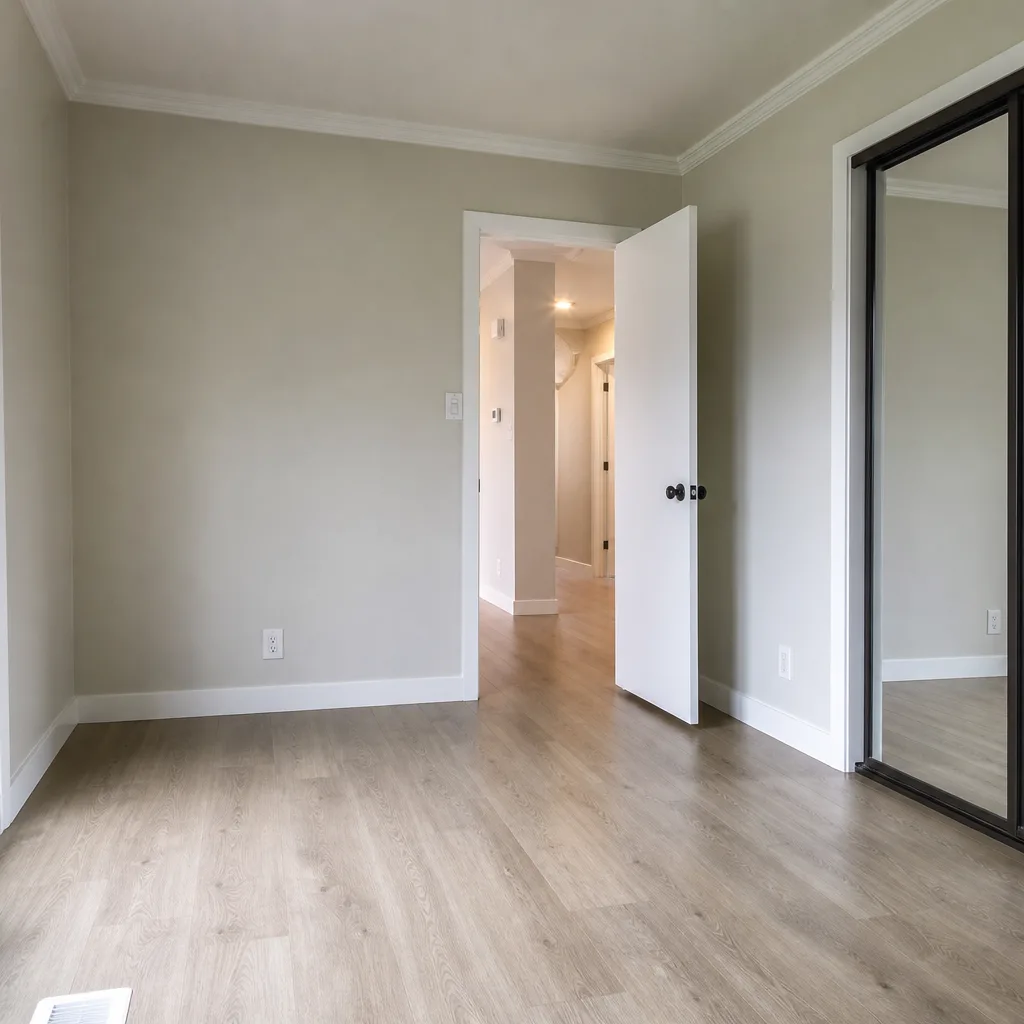 After
After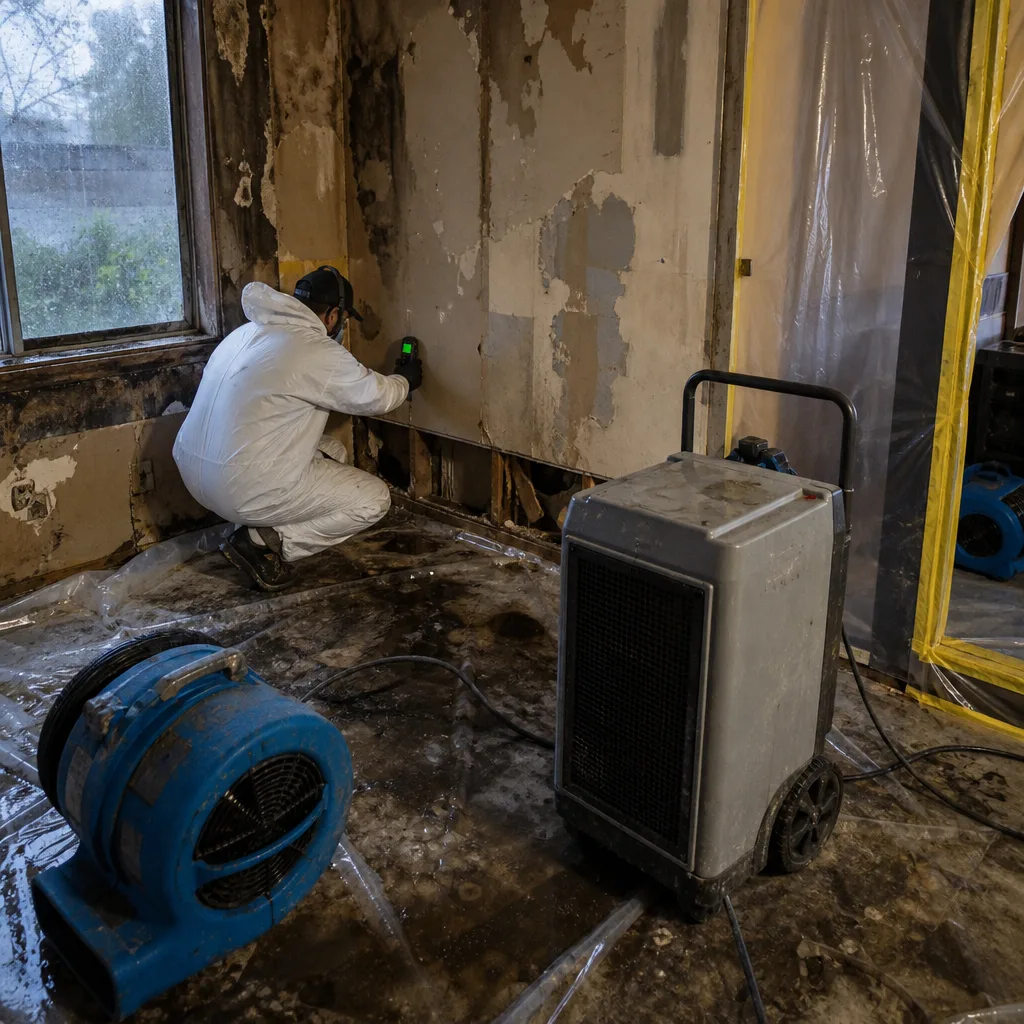 Before
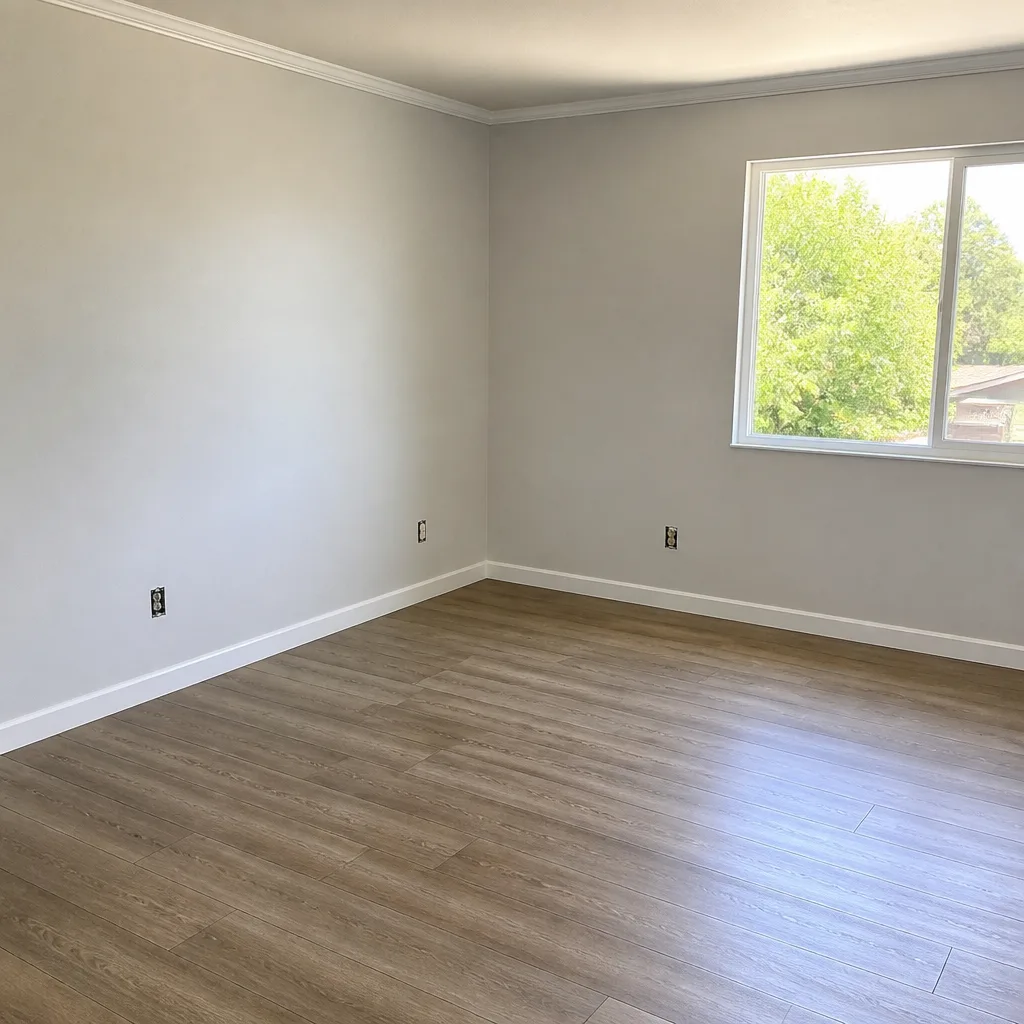 After
After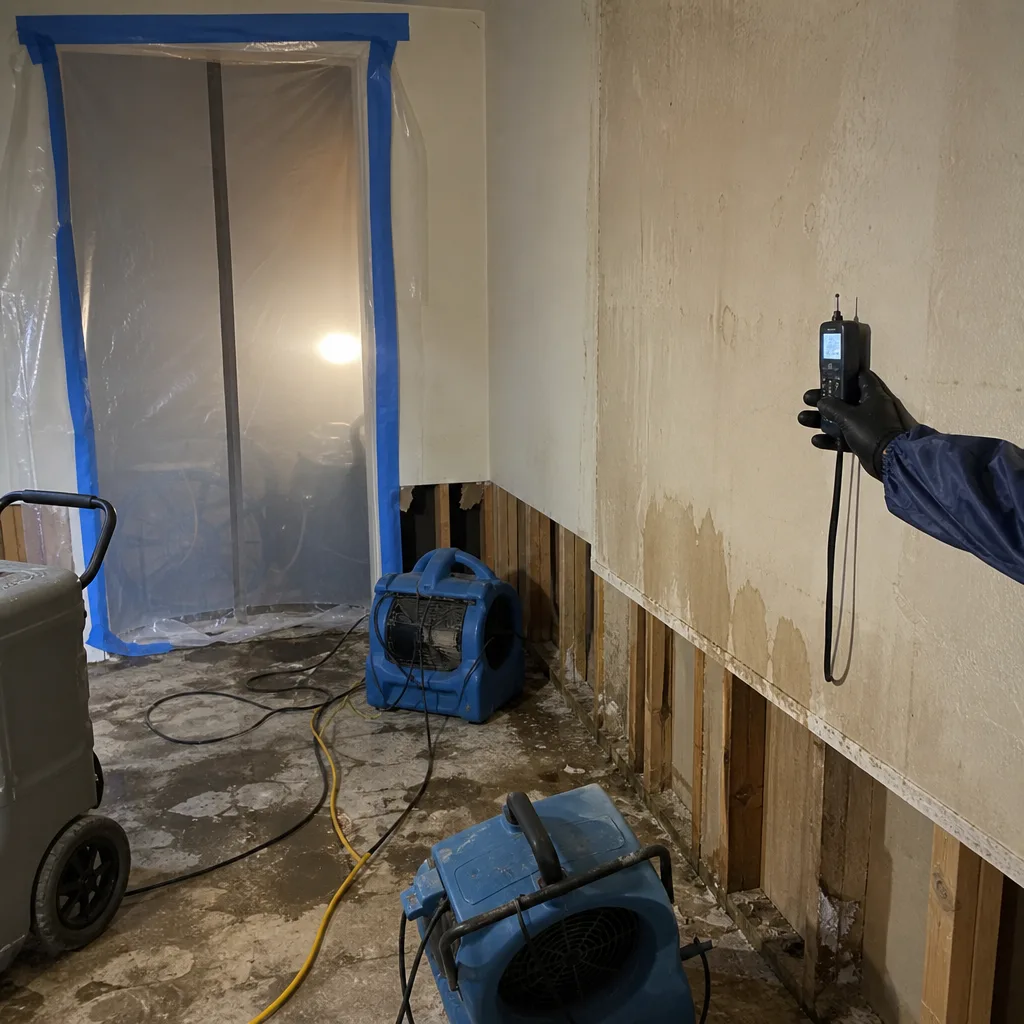 Before
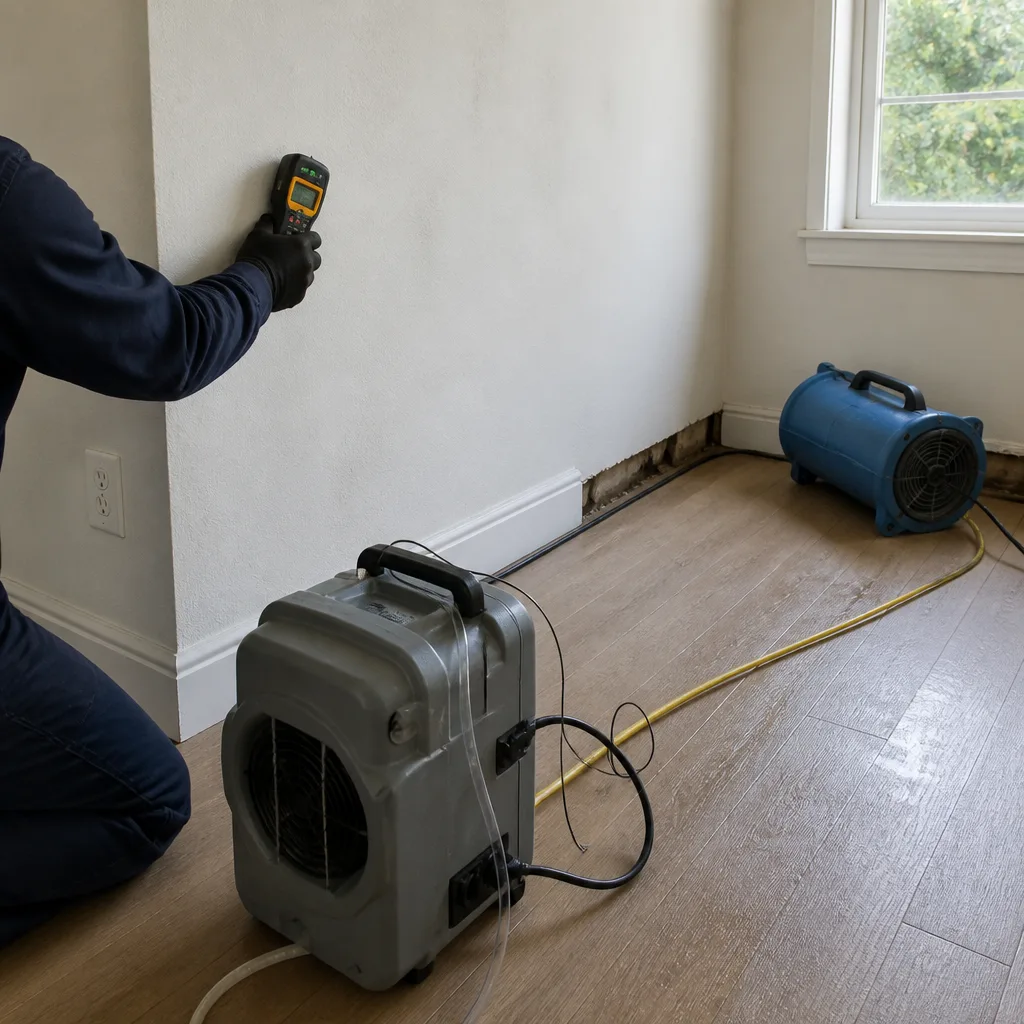 After
AfterHow to Hire a Damage Restoration Contractor in Lakewood: A Step-by-Step Guide
In California, a contractor can be fully licensed, IICRC-certified, and still deliver a restoration file so incomplete that your insurer cuts the settlement by 40%. We’ve reviewed thousands of claims files since 2011, and the pattern is consistent: the contractors who get homeowners paid in full are not the ones with the flashiest trucks or the longest Yelp histories. They’re the ones who can hand you a sample drying log from a completed job without blinking. Our Complete Guide to Damage Restoration in Lakewood walks you through exactly how to find that contractor, what documents to demand before anyone enters your home, and the specific questions that separate documentation professionals from documentation pretenders.
Quick Answer
To hire a damage restoration contractor in Lakewood, verify their California State License Board (CSLB) license independently, request five specific documents before signing any contract, ask to see a sample drying log from a completed job, and structure your scope of work addendum to require photo documentation at each visit. The contractor who handles these requests smoothly is the one who will produce a claim-ready file your insurer pays without a fight.
Table of Contents
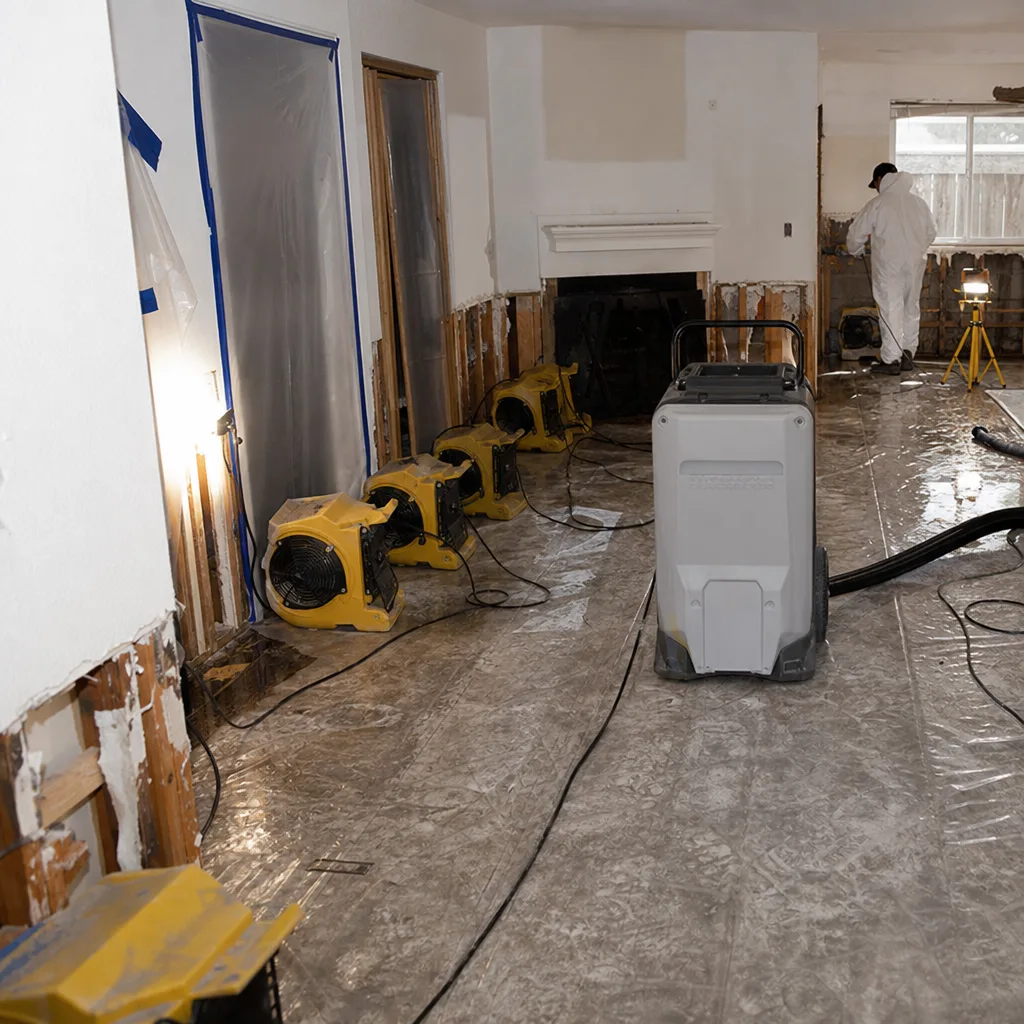
- Why Documentation Beats Reputation in Lakewood Restoration
- The Five Documents to Request Before Signing Any Restoration Contract in California
- How to Verify IICRC Certification Independently
- Red Flags in Verbal Estimates
- How to Structure a Scope of Work Addendum
- Questions About Subcontractor Use and Documentation Standards
- Lakewood-Specific Considerations: Climate, Codes, and Neighborhoods
- Common Mistakes to Avoid
- When to Call a Professional
- Frequently Asked Questions
- The Bottom Line
 Before
 After
AfterWhy Documentation Beats Reputation in Lakewood Restoration
The restoration industry sells trust signals: star ratings, years in business, “family owned” heritage. These matter less than you’d think. What matters is whether the contractor produces a file that an insurance adjuster can approve with confidence.
Here’s why this hits harder in Lakewood specifically. Our climate cycles between dry Santa Ana periods and winter atmospheric rivers that push moisture deep into wall cavities. A contractor who documents properly catches secondary damage that Lakewood’s humidity swings can hide, as detailed in our Seasonal Damage Restoration Care for Lakewood: Year-Round Homeowner’s Guide. One who doesn’t leaves you with a settlement that doesn’t cover the mold remediation you’ll need six months later in a Mayfair neighborhood ranch or a Lakewood Village colonial.
In our experience reviewing competitor files for our DryMark Restoration Lakewood home second-opinion service, the most common documentation failure is incomplete moisture mapping. A technician takes one reading per room, declares it dry, and moves on. Proper documentation requires readings at multiple heights, multiple materials, and multiple visits, plotted on psychrometric charts that show vapor pressure differential (the force that actually moves moisture out of materials) declining to acceptable levels. Without this data, your insurer has no proof the job was done, and no reason to pay the full invoice.
The sample drying log test cuts through all marketing. A contractor who maintains daily logs has them. A contractor who doesn’t will stall, deflect, or offer a “summary report” that contains no actual data. That single request tells you more than any license check or review scan.
The Five Documents to Request Before Signing Any Restoration Contract in California
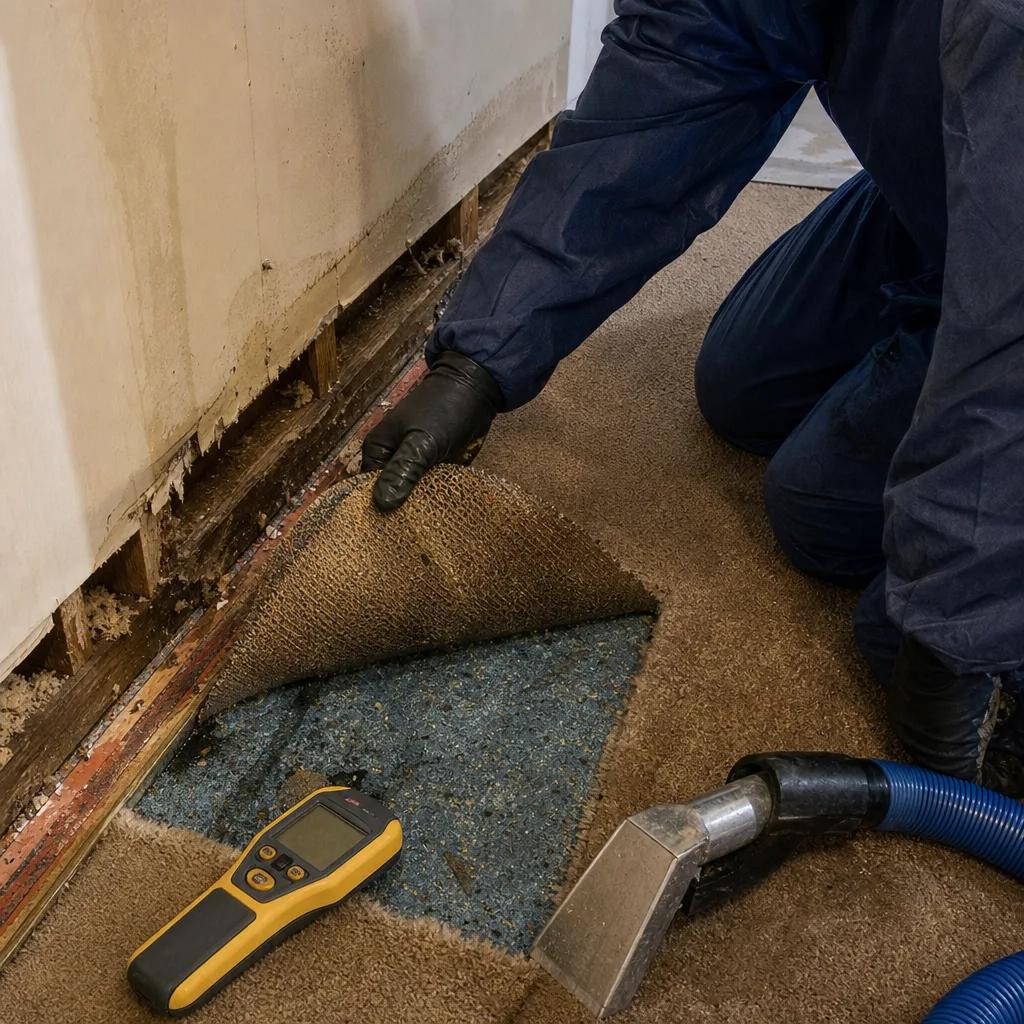
California’s contractor regulations provide baseline protection. They don’t ensure claim-ready documentation. Request these five documents before any work begins, and know the exact language each should contain, using our Water Damage Restoration Maintenance Checklist for Lakewood Homeowners as a reference.
- Written Scope of Work with Line-Item Pricing
Haven Standard, Clause 1: written price before work begins. The scope must break out labor, materials, equipment, and disposal by room or by trade. Avoid “lump sum” restoration contracts. In Lakewood, where 1950s-era slab foundations and post-war framing create unpredictable access issues, line-item pricing protects you from scope creep. The document should state: “No additional charges will be incurred without prior written approval signed by both parties.”
- Certificate of Insurance with Additional Insured Endorsement
Request a certificate naming you as additional insured, with general liability coverage of at least $1 million per occurrence and workers’ compensation coverage for all employees. Verify the policy dates cover your project period. The certificate should come directly from the insurance broker, not from the contractor’s printer.
- Sample Drying Log from a Completed Job
This is the document that separates professionals from pretenders. A legitimate drying log contains: date and time of each reading, technician name and certification number, equipment inventory by serial number, moisture content readings by material and location (drywall at 48 inches, subfloor at multiple points), relative humidity and temperature, dew point calculations, and psychrometric data showing the drying zone. The log should span multiple days, showing progressive moisture reduction. If a contractor claims this is “proprietary” or “confidential,” they don’t maintain proper records.
- Photo Documentation Protocol
The protocol should specify: photos before work begins, photos after each phase of work, photos of all equipment placement with serial numbers visible, and photos of final conditions. Ask: “Will I receive these photos in a shared folder within 24 hours of each visit?” If the answer is vague, the documentation doesn’t exist.
- Warranty Document with Specific Terms
Not a verbal assurance. A written warranty stating duration, coverage scope, and the process for invoking it. Our 365-Day Done Right Promise, backed by The Haven Standard, specifies: “If any work proves defective within 365 days of completion, DryMark Restoration Lakewood will repair or replace at no charge, including materials and labor.” Any warranty shorter than one year, or any warranty that excludes “secondary damage,” should prompt hard questions.
We’ve restored over 12,000 homes since 2011. Every single one had these five documents in place before work started. The ones that didn’t, early in our history, produced the incomplete files that taught us why documentation standards matter more than speed.
How to Verify IICRC Certification Independently
IICRC certification is common currency in restoration marketing. “IICRC-certified technician” appears on nearly every truck in Lakewood. The certification itself is legitimate and valuable, but only if it’s current, specific to the work being performed, and verifiable.
Here’s how to check without trusting a card shown on a phone screen:
- Ask for the technician’s full name and IICRC certification number. Every certified technician has one.
- Visit iicrc.org and use the “Find a Certified Pro” tool. Enter the certification number. The system returns the technician’s name, certification categories, and expiration dates.
- Match the certification category to your loss type. Water damage restoration requires the WRT (Water Damage Restoration Technician) certification at minimum; complex losses require the ASD (Applied Structural Drying) certification. Fire damage requires the FSRT (Fire and Smoke Restoration Technician). Mold remediation requires the AMRT (Applied Microbial Remediation Technician). A contractor sending a WRT-certified technician to a mold job is out of scope.
- Check the expiration date. IICRC certifications require continuing education. An expired certification is not a certification.
The categories that actually matter for Lakewood’s common loss types:
- Water damage in Lakewood’s older slab homes: WRT plus ASD. The ASD certification covers advanced drying of complex assemblies, which describes most Lakewood residential construction built between 1945 and 1975.
- Mold in humid pockets near the San Gabriel River basin: AMRT plus IICRC’s mold remediation standard reference. Ask specifically whether the technician follows the S520 Standard for Professional Mold Remediation.
- Fire and smoke in dense Lakewood neighborhoods: FSRT plus odor control certification (OCT). Smoke odor in tightly packed housing requires specific expertise.
RIA and IFA credentials supplement IICRC training for complex commercial losses and specialized forensic documentation. For residential work in Lakewood, IICRC is the foundational check, but the specific category matters more than the logo on the truck.
Red Flags in Verbal Estimates
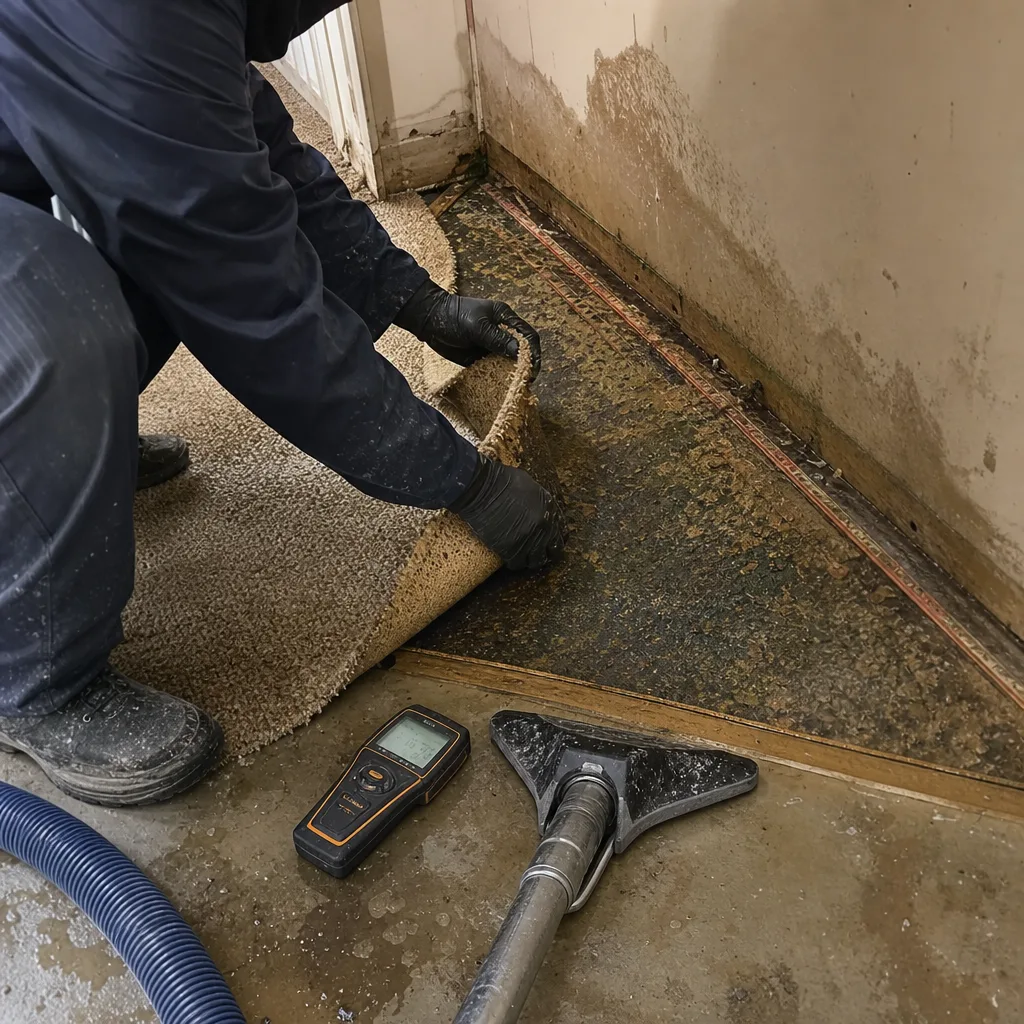
Verbal estimates in restoration are not just unprofessional. They’re a leading indicator that the contractor will not document the job to claim-ready standards. Here are specific phrases we’ve heard in competitor estimates reviewed through our free second-opinion service, and what they signal.
| Phrase Used | What It Actually Means | Your Response |
|---|---|---|
| “We’ll figure out the exact scope once we get in there” | No written price before work starts; scope creep is the business model | Decline. Haven Standard, Clause 1 exists precisely to end this practice. |
| “My price is usually around X” | No line-item breakdown; final invoice will exceed “usually” | Request written scope with material and labor separated by room. |
| “We don’t need photos for insurance” | Technician has never produced a claim-ready file | Insist on photo protocol in writing; insurer will require them anyway. |
| “The drying log is internal only” | No documentation exists, or it won’t support your claim | Sample drying log is non-negotiable before contract signing. |
| “We work with all the adjusters” | Potential undisclosed referral arrangement; documentation standards may favor adjuster, not homeowner | Ask specifically which adjusters, and whether any payment flows between companies. |
| “Just sign here, we’ll fill in the details later” | Blanket authorization for unlimited charges | Never sign incomplete documents. California law requires written contracts for home improvement work over $500. |
The common thread: each phrase deflects from documentation toward trust. Trust is earned by showing, not promising. A contractor who has maintained proper drying logs for years can produce one in minutes. One who hasn’t will always have a reason why now isn’t the right time.
How to Structure a Scope of Work Addendum
Even with a solid contractor, the standard contract language may not protect your documentation interests. A scope of work addendum, signed by both parties, closes the gaps. Here’s language we’ve developed through 12,000+ jobs that you can adapt.
Required Addendum Clauses:
- Photo Documentation Requirement
“Contractor shall provide dated, geotagged photographs of all affected areas before work begins, after each phase of work, and upon completion. Photos shall include equipment serial numbers and moisture meter readings where visible. All photos shall be delivered to homeowner via shared digital folder within 24 hours of each site visit.”
- Prohibition on Change Orders Without Written Approval
“No additional work, materials, or charges shall be added to the scope without a written change order signed by both contractor and homeowner before the additional work begins. Verbal authorizations are not valid.”
- Daily Drying Log Delivery
“Contractor shall maintain a daily drying log in accordance with IICRC S500 standards, including moisture content readings by material and location, relative humidity, temperature, dew point, and equipment inventory. The log shall be made available to homeowner upon request and delivered in full upon project completion.”
- Subcontractor Notification and Documentation Transfer
“Any subcontractor performing work shall be identified by name, license number, and scope of work in writing before subcontractor begins. All documentation requirements of this addendum apply equally to subcontractor work.”
- Insurance Coordination Protocol
“Contractor shall provide all documentation required by homeowner’s insurance carrier within 5 business days of request, including photos, drying logs, scope of work, and invoices. Contractor agrees to coordinate directly with adjuster upon homeowner written authorization.”
In Lakewood, where many homes fall under HOA oversight in planned communities like Lakewood Mutual or Rancho Estates, add clause six: “Contractor shall obtain and comply with all HOA notification and access requirements, providing homeowner copies of all HOA correspondence.”
A contractor who balks at these clauses is telling you their documentation won’t survive scrutiny. The one who accepts them without hesitation has nothing to hide.
Questions About Subcontractor Use and Documentation Standards
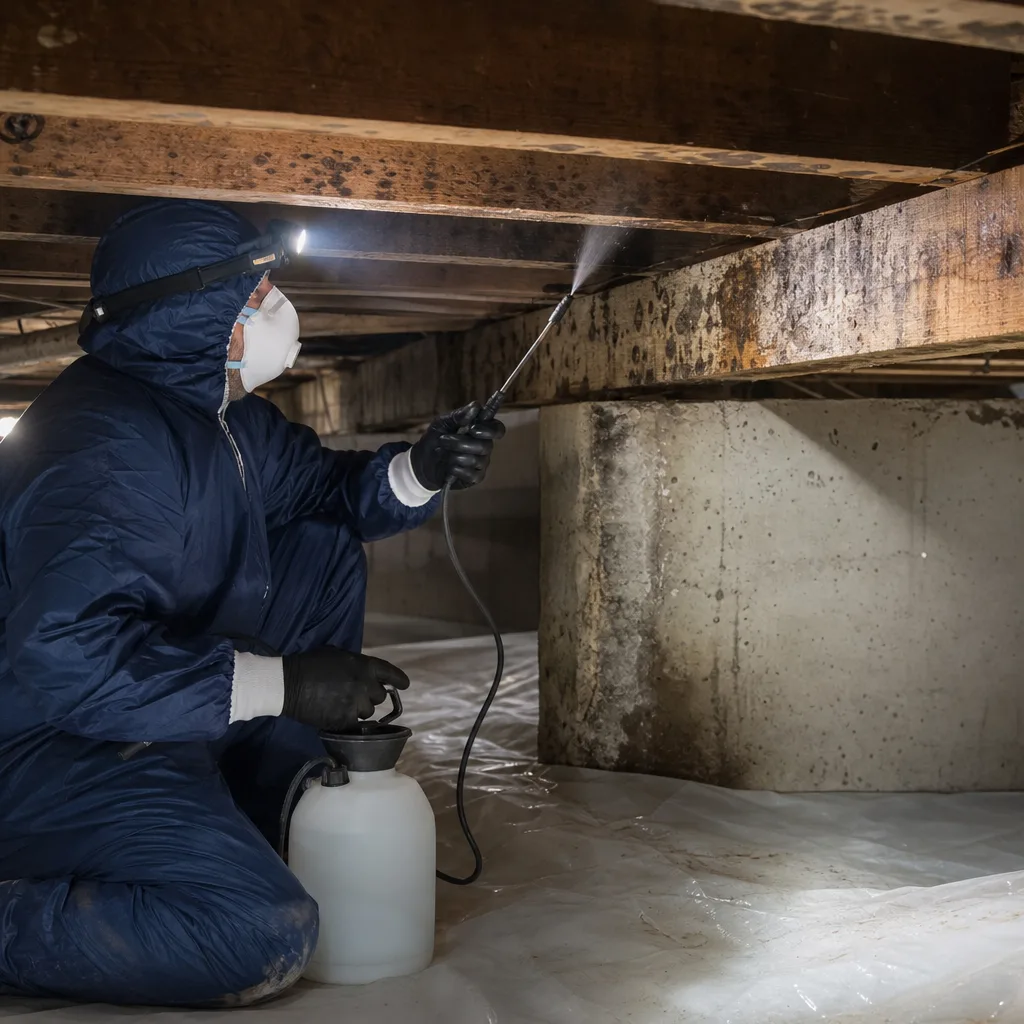
Restoration contractors frequently use subcontractors for specialized trades: electrical, plumbing, HVAC, reconstruction. The documentation standards that protect your claim do not automatically transfer. We’ve seen perfectly documented mitigation undone by a subcontractor’s undocumented reconstruction, leaving the homeowner with an uncloseable insurance file.
Ask these specific questions before any subcontractor enters your Lakewood home:
- “Will you provide the names, CSLB license numbers, and certificate of insurance for every subcontractor before they arrive?”
- “Does your written scope specify which work is performed by your employees versus subcontractors?”
- “Will the subcontractor’s work be documented to the same photo and written standard as your own?”
- “Who signs the final completion certificate: your company, or the subcontractor?”
- “If a subcontractor’s work fails within the warranty period, do I call you or them?”
The last question reveals whether the contractor maintains accountability or disperses it. A restoration company that manages subcontractors properly answers: “You call us. We handle it.” One that deflects to the subcontractor’s warranty has fragmented your documentation and your recourse.
In Lakewood’s competitive contractor market, some restoration companies function as marketing and billing shells, subcontracting all actual work. This model can work if documentation standards are enforced. It fails when the prime contractor treats documentation as their responsibility and the subcontractor treats it as optional. Your addendum clause requiring subcontractor documentation transfer prevents this failure.
Lakewood-Specific Considerations: Climate, Codes, and Neighborhoods
Lakewood’s geography and building stock create restoration scenarios that generic guides miss. Understanding these specifics helps you evaluate whether a contractor actually knows your market.
Climate and Moisture Patterns
Lakewood sits at low elevation with limited natural drainage, particularly in areas near the San Gabriel River channel. Winter atmospheric river events can overwhelm slab perimeter drainage in 1950s-era homes, pushing water under foundations where it wicks into sill plates and bottom plates. A contractor unfamiliar with Lakewood’s specific slab construction patterns may miss this pathway entirely, declaring the home dry while concealed moisture fuels mold growth.
Summer Santa Ana conditions create rapid surface drying that can deceive inexperienced technicians. Drywall feels dry to the touch while moisture remains trapped in insulation cavities. Proper documentation requires moisture readings at multiple depths, not surface checks.
Building Codes and Permit Requirements
The City of Lakewood requires permits for reconstruction work affecting structural elements, electrical, plumbing, or HVAC. A restoration contractor who performs reconstruction without pulling permits creates documentation gaps that insurers exploit to deny reconstruction portions of claims. Ask: “Will you obtain all required Lakewood permits, and will permit numbers appear in the final documentation package?”
Neighborhood-Specific Construction
Lakewood’s housing stock varies significantly by era and developer:
- Lakewood Village (early 1950s): Post-war minimal traditional and ranch homes with minimal foundation insulation, plaster-and-lath construction, and original galvanized plumbing. Water losses frequently involve concealed pipe failures and plaster saturation that requires extended drying protocols.
- Mayfair and surrounding tracts (mid-1950s to 1960s): Slab-on-grade construction with perimeter foundation drainage that fails with age. Seasonal groundwater rise affects these areas disproportionately.
- Rancho Estates and later developments (1960s-1970s): Larger lots, some with crawl spaces, but similar slab foundation vulnerabilities. HOA maintenance responsibilities for common drainage create coordination requirements.
A contractor who can’t discuss these specific construction types hasn’t worked extensively in Lakewood. Their documentation will likely miss the moisture pathways that experienced local contractors document automatically.
For water-specific concerns in these neighborhoods, see our detailed guide on Water Damage Restoration in Lakewood.
Common Mistakes to Avoid
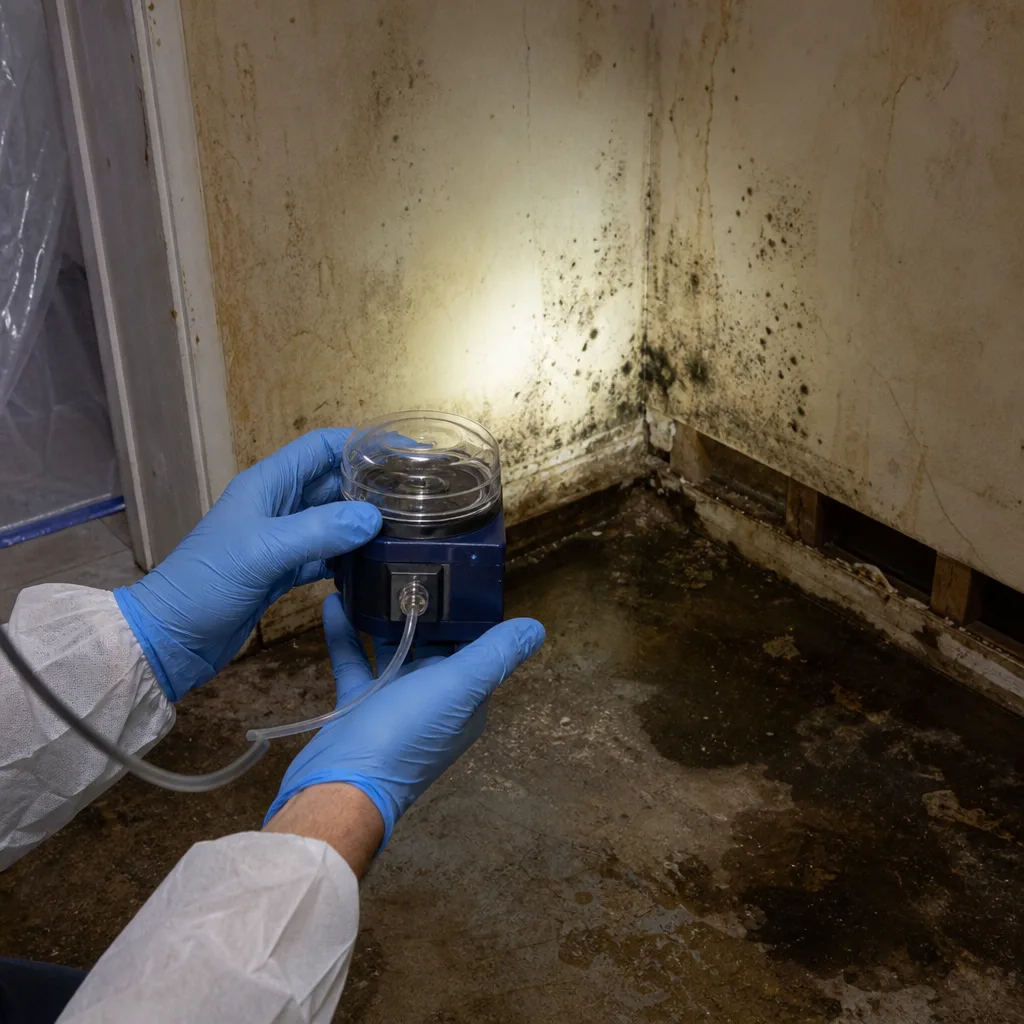
- Hiring based on response speed alone. In Lakewood’s tight housing market, a contractor who arrives in 30 minutes with no documentation protocol will cost you more in denied claims than a contractor who arrives in two hours with a complete file. Speed matters for mitigation, but not at the expense of documentation.
- Accepting the insurer’s preferred contractor without independent verification. Preferred vendor programs sometimes prioritize cost control over documentation completeness. The contractor works for the insurer’s satisfaction metrics, not your claim outcome. Verify their documentation standards independently.
- Neglecting to document pre-existing conditions. Before any work begins, photograph your home’s undamaged state, or have the contractor do so as part of their protocol. In Lakewood’s older homes, insurers frequently attribute discovered conditions to “pre-existing” causes. Date-stamped photos establish the baseline.
- Signing authorization documents without date and scope limits. California law requires specificity. An open-ended authorization lets a contractor bill indefinitely. Every authorization should specify: date range, maximum dollar amount, and specific work categories covered.
- Failing to verify that equipment on site matches the drying log. We’ve found competitors’ logs listing dehumidifiers that were never deployed, or air movers counted that weren’t running. Check serial numbers against the log. This single step catches documentation fraud.
- Assuming mold remediation documentation follows water damage standards. Mold remediation in Lakewood requires distinct documentation: containment verification, negative air pressure readings, and post-remediation clearance sampling. A water damage specialist without mold-specific documentation protocols will produce an incomplete file.
- Overlooking fire damage’s documentation complexity. Fire and smoke restoration in Lakewood requires documentation of contents inventory, smoke pattern mapping, and odor source identification. The documentation burden exceeds water damage significantly.
When to Call a Professional
Some situations demand immediate professional intervention regardless of your hiring process timeline. Category 3 water damage (sewage or flooding), any fire damage with structural compromise, and mold contamination exceeding 10 square feet require containment and specialized protocols that DIY attempts worsen.
Even for smaller losses, the documentation advantage of professional engagement pays for itself. A properly documented Category 1 water loss in Lakewood typically settles at 100% of invoice. An undocumented equivalent settles at 60-70%, leaving the homeowner to fund the gap.
For more guides & resources, visit our blog. DryMark Restoration Lakewood offers free estimates in Lakewood. Our documentation protocol begins at first contact: photo record, written scope, and sample drying log review before any commitment. Call (562) 373-6757 to request an estimate or a free second opinion on any competitor’s written estimate.
Frequently Asked Questions
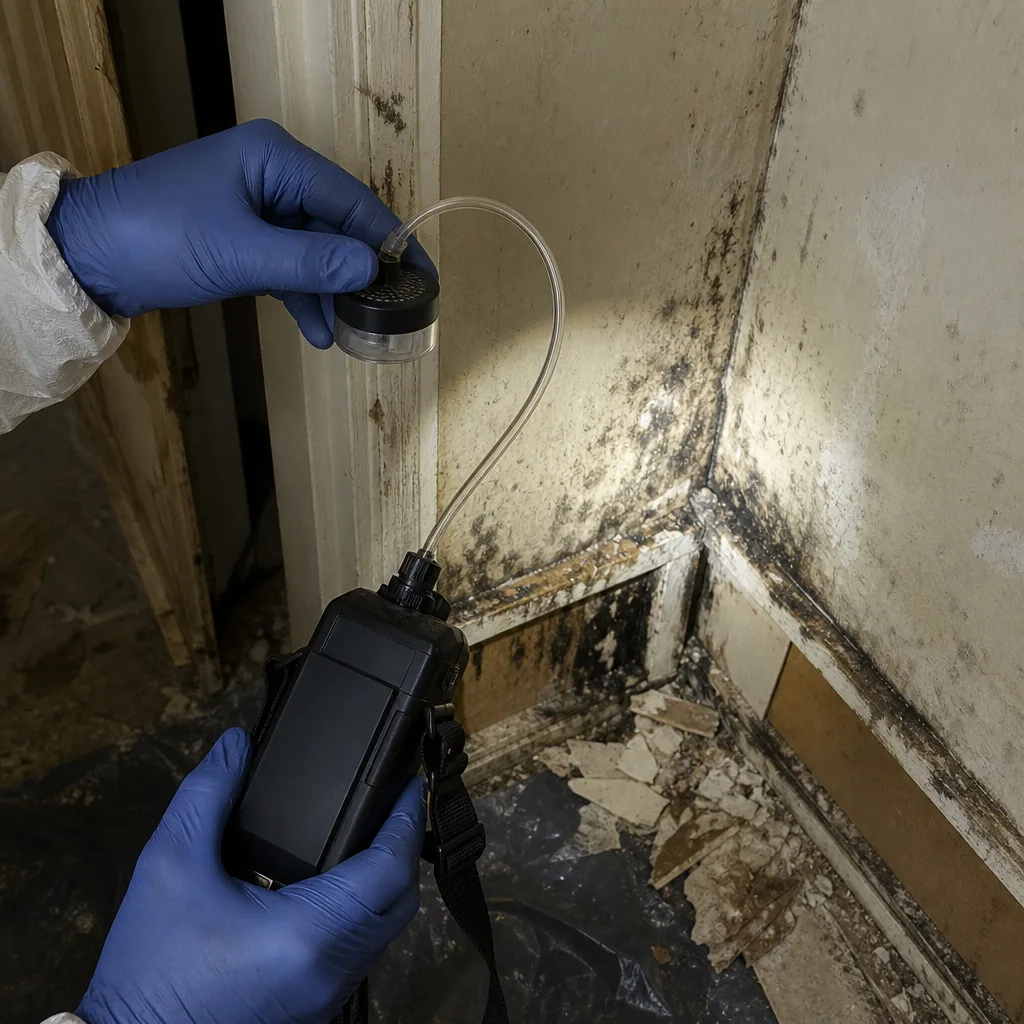
Water damage mitigation in Lakewood typically ranges from $1,200 for contained single-room drying to $8,500+ for whole-house flooding with pack-out and content cleaning. Fire damage restoration starts around $4,500 for light smoke and odor and exceeds $35,000 for structural reconstruction. Mold remediation runs $15-$30 per square foot of affected area, with containment and air scrubbing adding $800-$1,500 per contained zone. These ranges reflect Lakewood’s labor rates and the specific challenges of post-war construction. Call (562) 373-6757 for an exact quote - estimates are free, and Haven Standard, Clause 1 requires a written price before any work starts.
Most homeowner policies cover sudden and accidental water damage, fire, and storm damage, but coverage varies by cause and documentation quality. The single largest factor in claim approval is whether the restoration file contains the documentation adjusters need: dated photos, moisture logs, scope of work, and invoices matching the scope. Policies typically exclude gradual damage (long-term leaks) and flood damage (requires separate flood insurance). We coordinate directly with adjusters and provide documentation packages designed for clean claim approval. Bring your policy declaration page to our estimate review.
For emergency mitigation - water extraction, board-up, temporary containment - response time in Lakewood averages 45-90 minutes during business hours and 60-120 minutes overnight, depending on traffic patterns on the 605, 91, and surface arterials like Lakewood Boulevard and Del Amo Boulevard. Reconstruction and non-emergency work is scheduled, not dispatched. Any contractor promising same-day reconstruction is cutting corners on scope development or permit acquisition. Our live phone coverage is available 24 hours a day, 7 days a week with no voicemail on emergency lines.
For water damage affecting less than 10 square feet of material with no structural saturation and no Category 2 or 3 contamination, self-drying with fans and dehumidifiers may suffice. For anything larger, concealed moisture, or contamination, professional documentation becomes essential for insurance purposes even if the drying seems successful. Mold contamination exceeding 10 square feet requires professional remediation per California guidelines; self-remediation of larger areas voids most insurance coverage and creates liability exposure. The cost of professional documentation is typically recovered through higher claim settlements.
Both, but with clear division. You retain control of the claim and all settlement decisions. The contractor provides technical documentation that supports your claim. We coordinate directly with adjusters upon your written authorization, attending site visits, providing supplemental documentation requests, and explaining technical findings. You receive copies of all correspondence. Never authorize a contractor to negotiate settlement amounts or endorse checks on your behalf.
A legitimate drying log contains specific data, not summaries. Look for: technician name and certification number, equipment serial numbers, moisture readings with meter type and calibration date, readings at multiple heights and materials, psychrometric calculations, and progressive improvement across multiple days. Ask the contractor to explain one entry in detail. Someone who fabricated the log cannot explain the technical relationships between readings. Someone who maintained it properly will walk you through the drying curve without hesitation.
The Bottom Line
The contractor you want in Lakewood is the one who treats documentation as the product, not an afterthought. Verify license and certification independently. Demand five specific documents before signing. Ask to see a sample drying log. Structure your contract with a documentation addendum. Check subcontractor accountability. These steps filter out the majority of contractors who will cost you money at claim time, and identify the minority who produce files that insurers pay without dispute.
We’ve built DryMark Restoration Lakewood around this standard since 2011 because we’ve seen what sloppy documentation costs homeowners. The Haven Standard isn’t marketing language. It’s the operating system that produces 12,000+ claim-ready files, every one with a written price before work started and a documented record when the crew left.
Call (562) 373-6757 for a free estimate or free second opinion on any competitor’s written estimate. We’ll show you the documentation difference before you commit to anything.
Written by Alicia Brennan, Owner at DryMark Restoration Lakewood, serving Lakewood since 2011.