
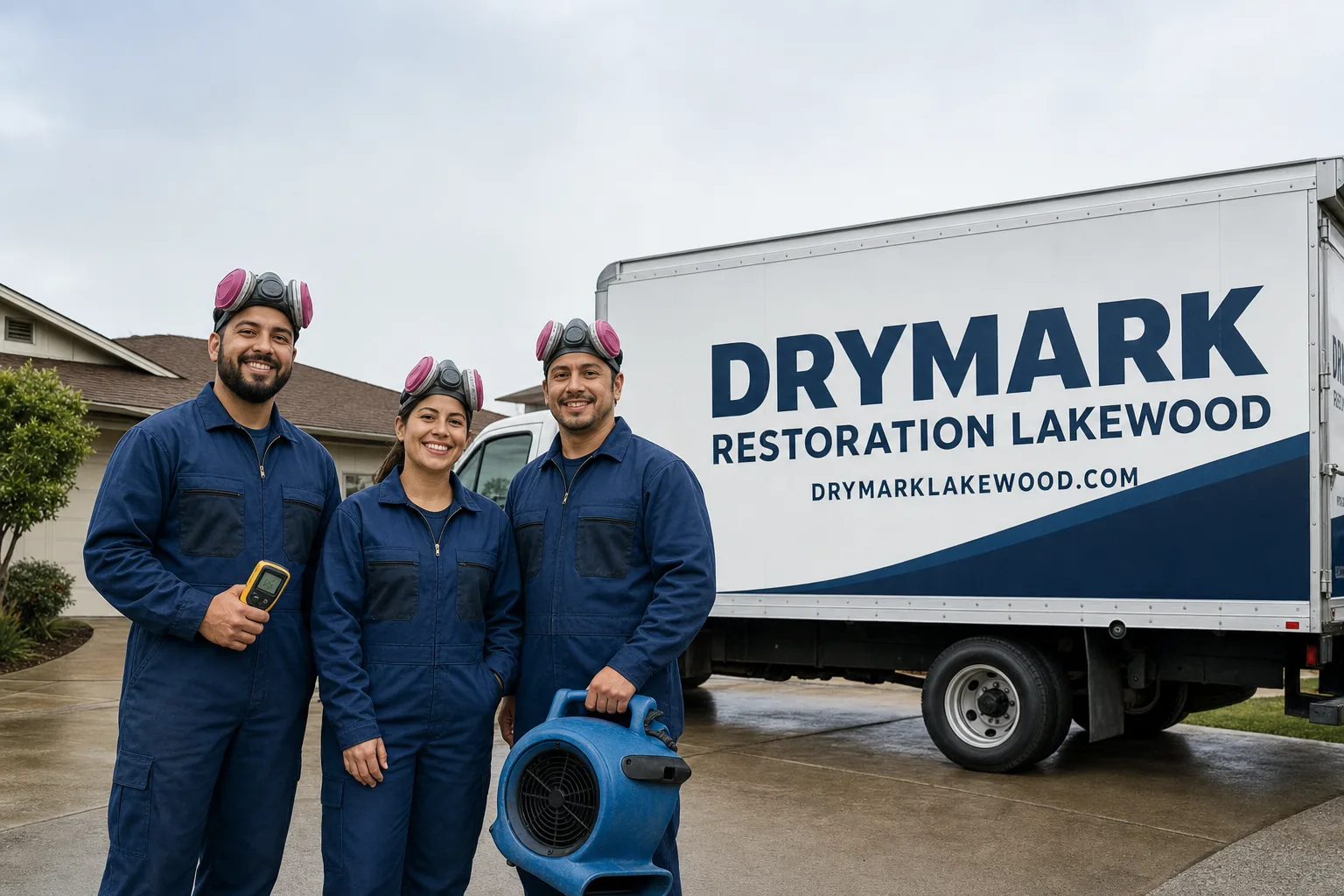
Free visual inspection and a written scope of work before any mitigation begins - photos, moisture readings, and drying logs go in your claim file
The scope we write is the scope we bill. Anything new gets shown to you, in writing, before we touch it.
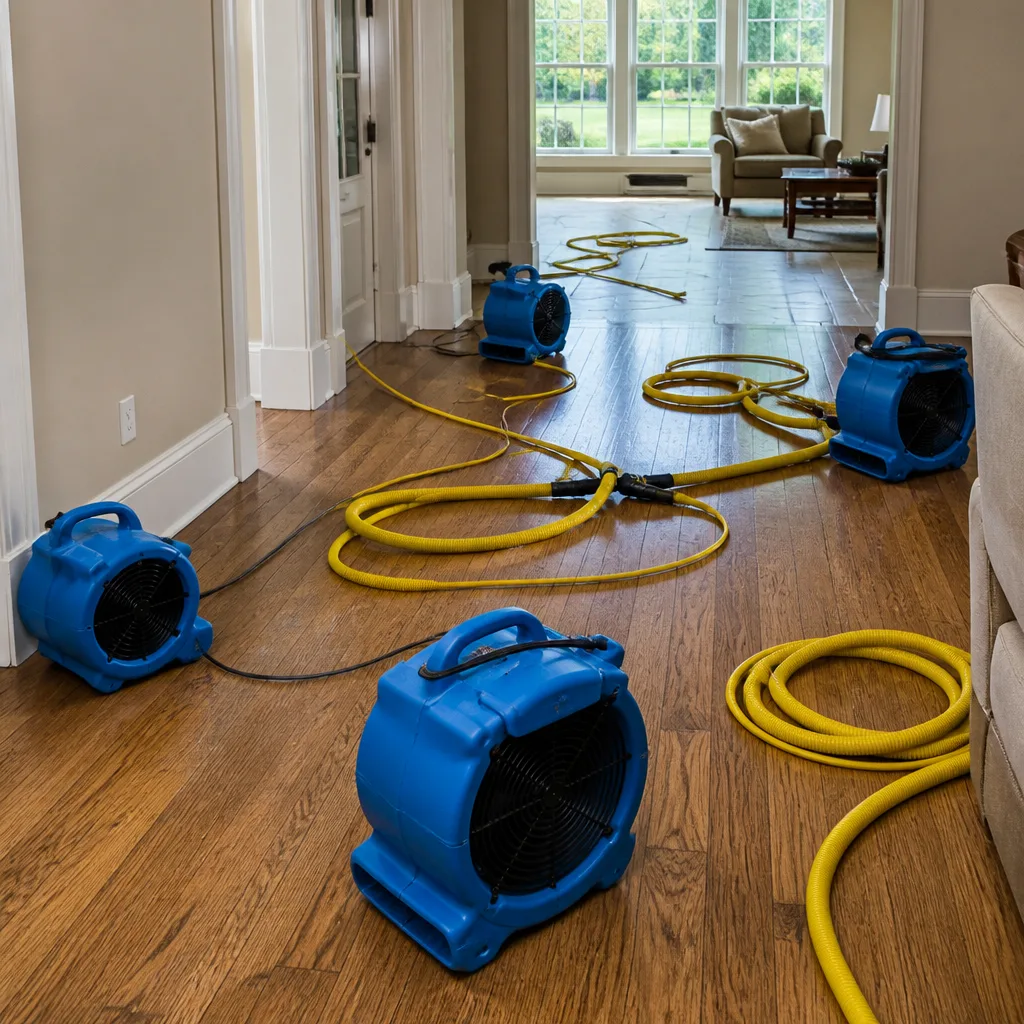
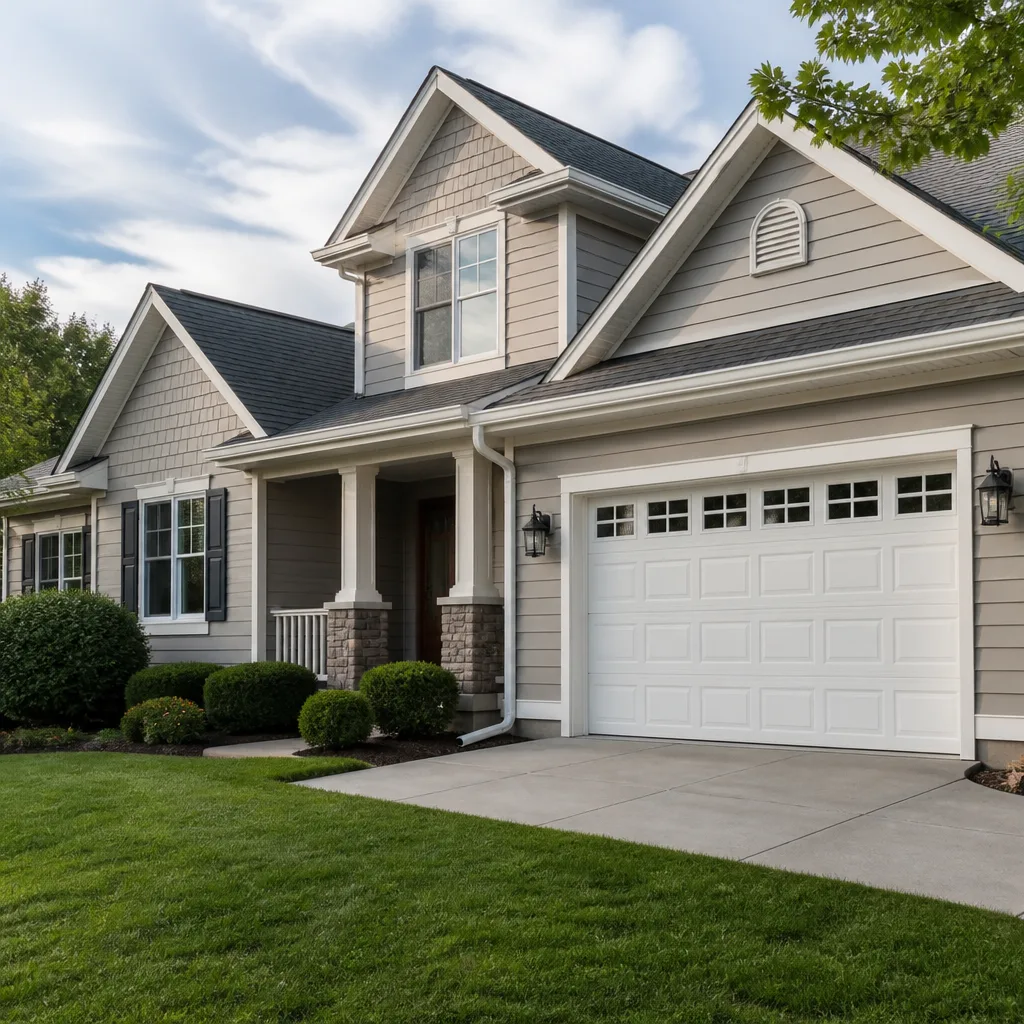
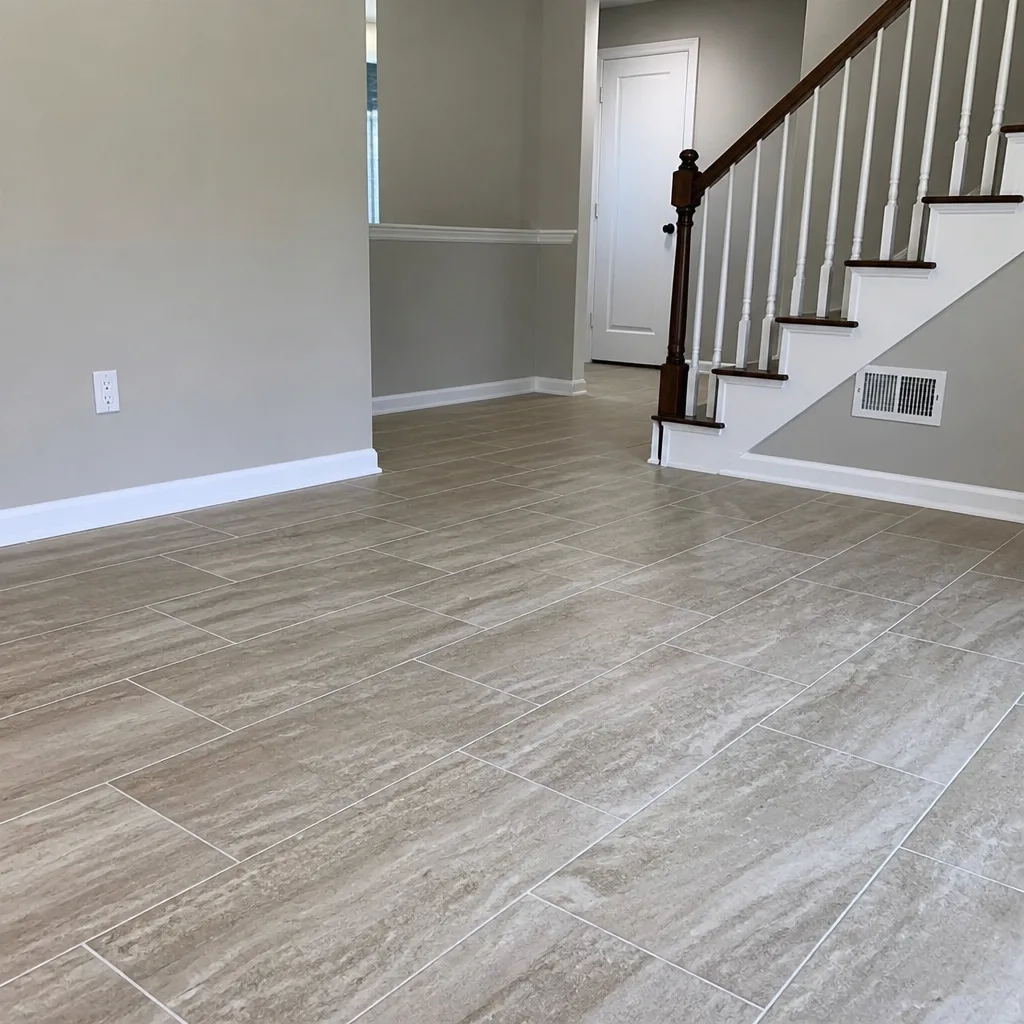
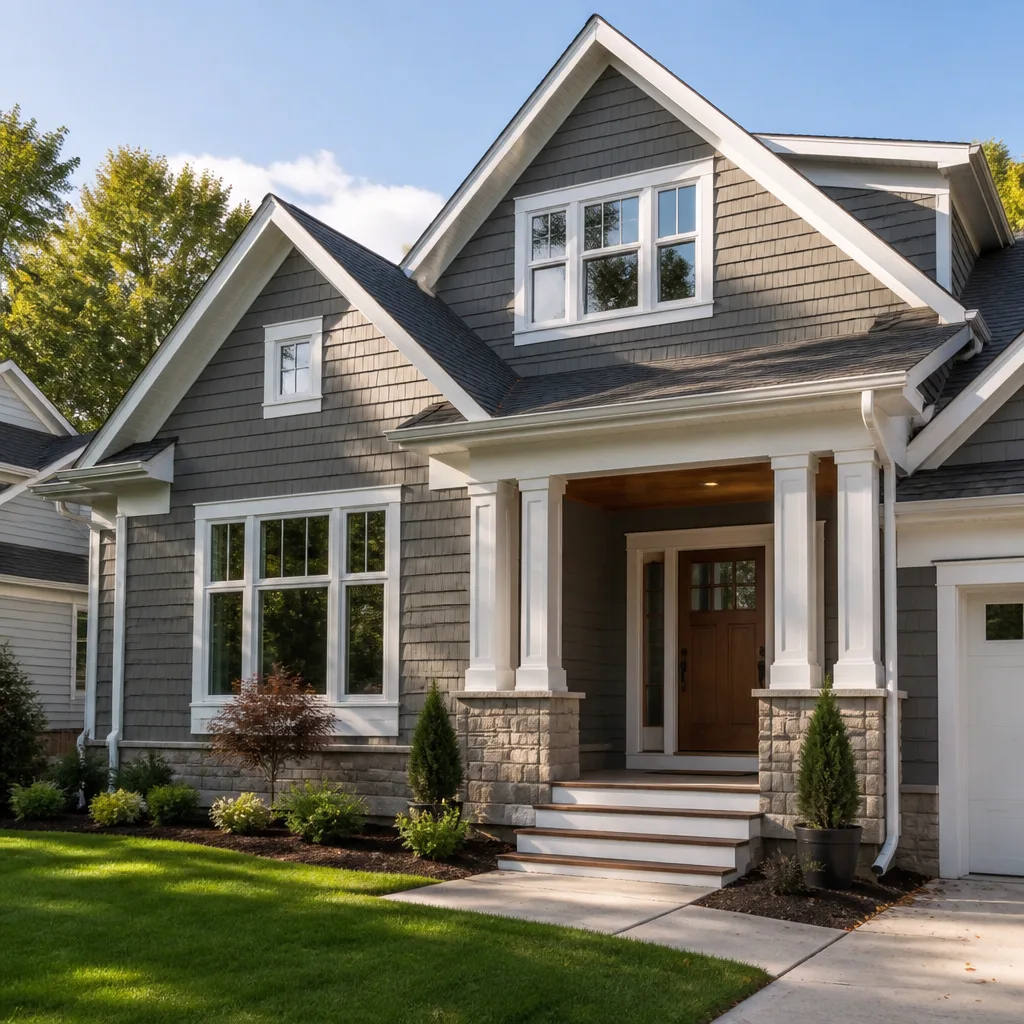
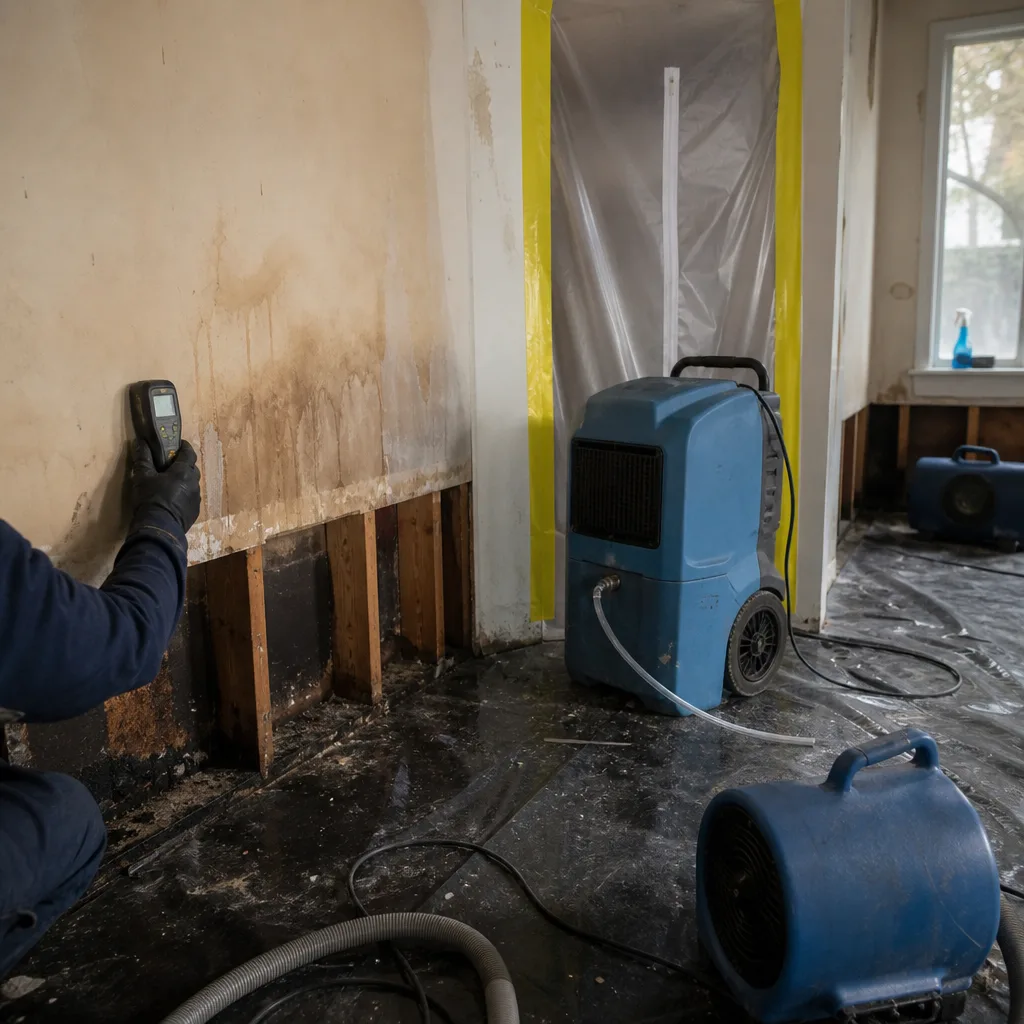 Before
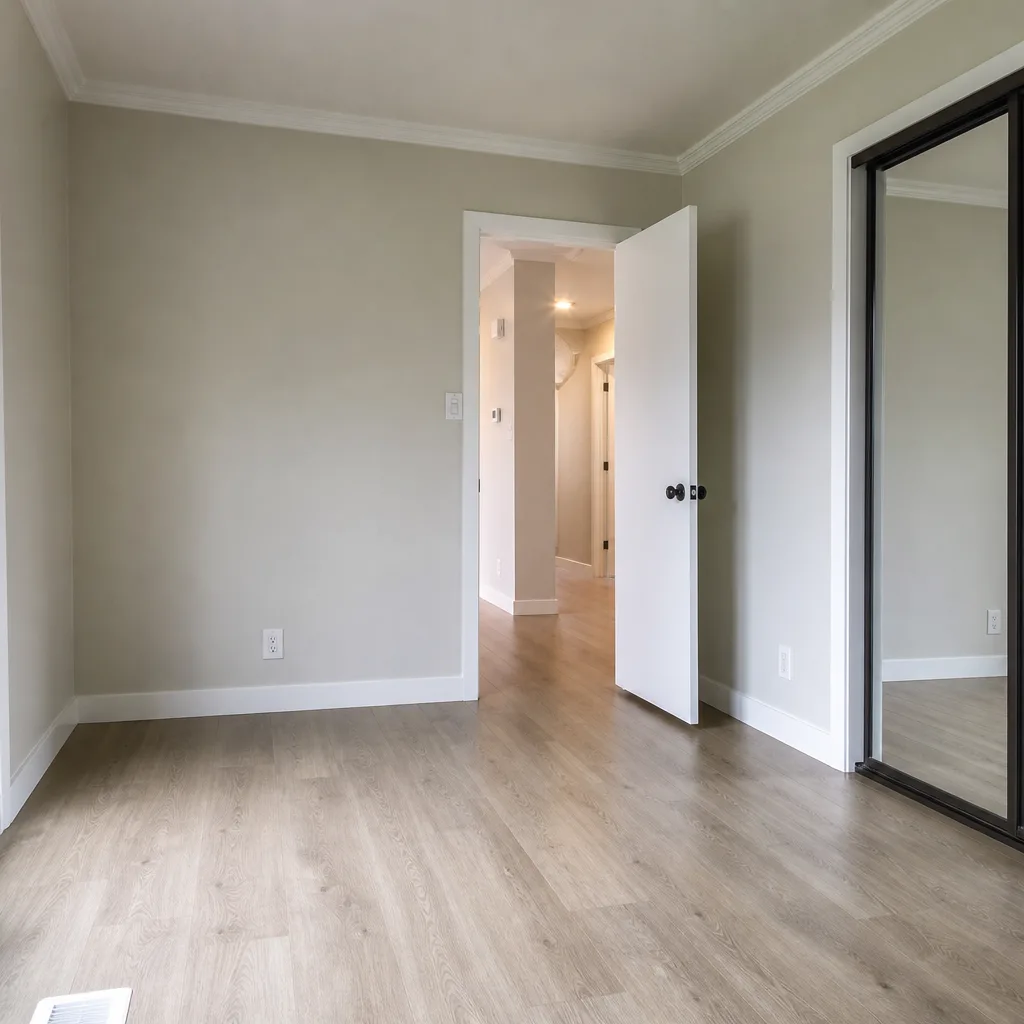 After
After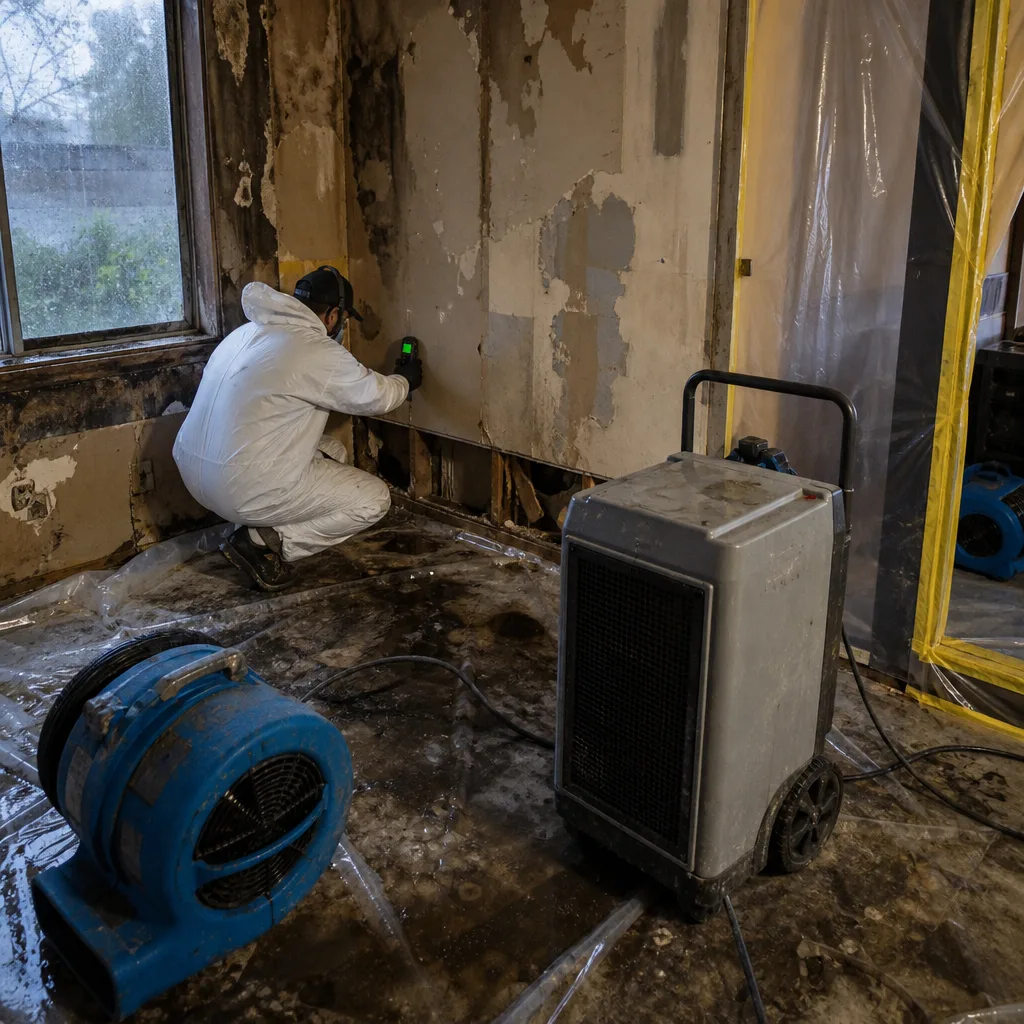 Before
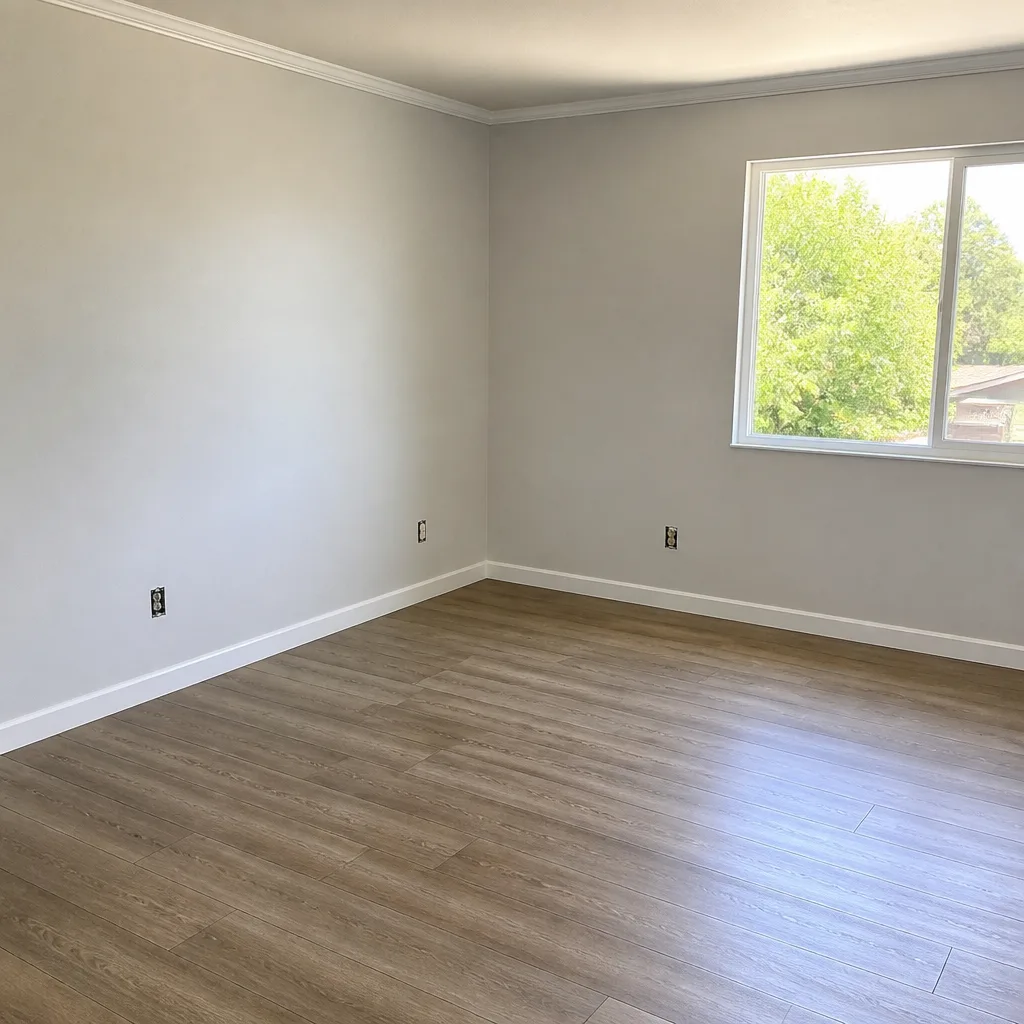 After
After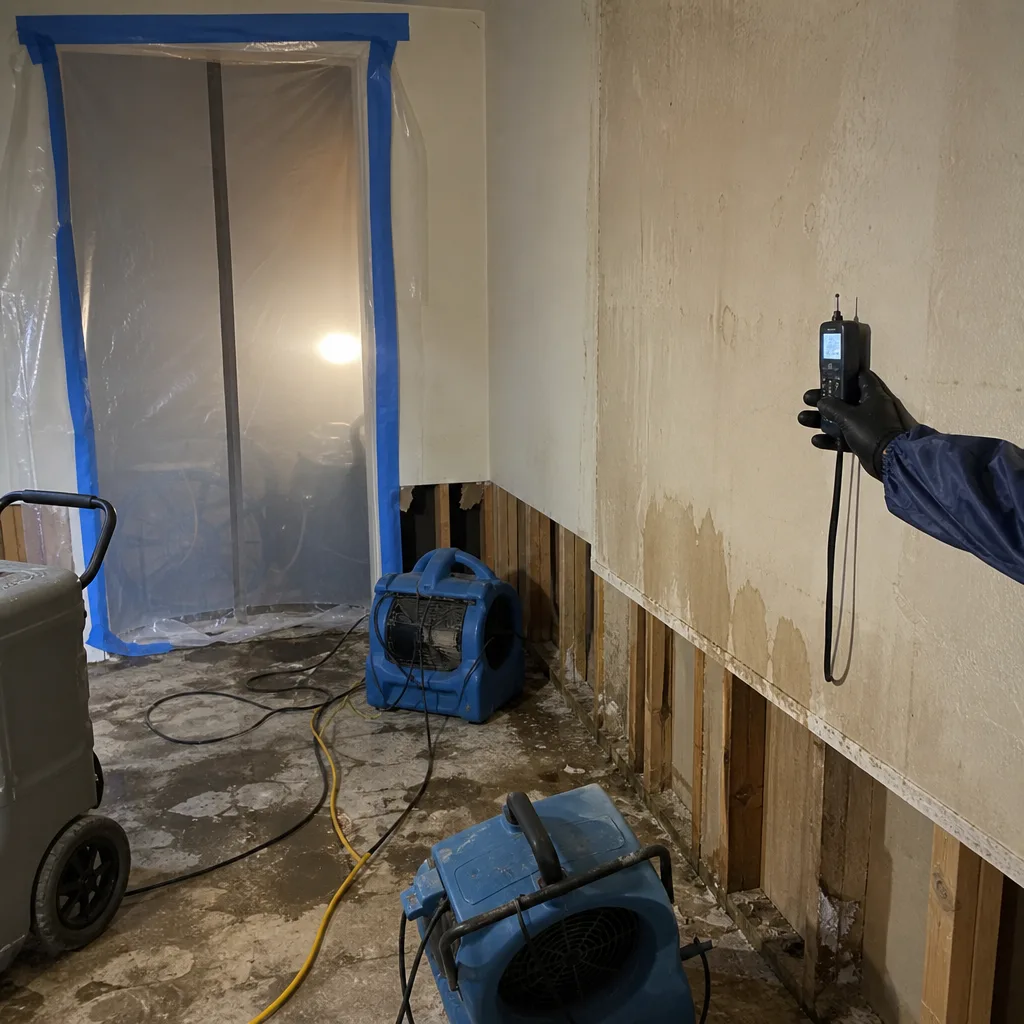 Before
 After
AfterTrusted Mold Remediation for Lakewood Homeowners
our Mold Remediation in Lakewood typically costs $1,200-$4,500 depending on affected square footage and whether the growth has penetrated wall cavities or remains surface-level. Most Lakewood homes we treat are single-family residences built between 1950 and 1980 with original drywall, which absorbs moisture faster than modern materials and often conceals mold behind bathroom vanities and kitchen cabinets for months before detection. We answer our phones live at (562) 373-6757, and we can usually inspect within 24 hours because mold doesn’t wait for business hours to spread through your HVAC system.
We’ve restored more than 12,000 homes since 2011, every one with a written price before work started and a documented record when the crew left. Alicia Brennan founded Back to Dry Restoration after working as a claims adjuster and watching homeowners lose thousands to restoration invoices that lacked the moisture logs, photo documentation, and written scopes that insurers require for payment. Our Lakewood crews carry professional-grade drying systems from Dri-Eaz, Phoenix, and XPOWER, and every job is documented to IICRC, RIA, and IFA standards. The Haven Standard, Clause 1, applies here: you receive a written price before anyone starts work, with no scope-creep additions once we’re inside your home.
What Our Mold Remediation Service Includes
Mold Inspection & Testing
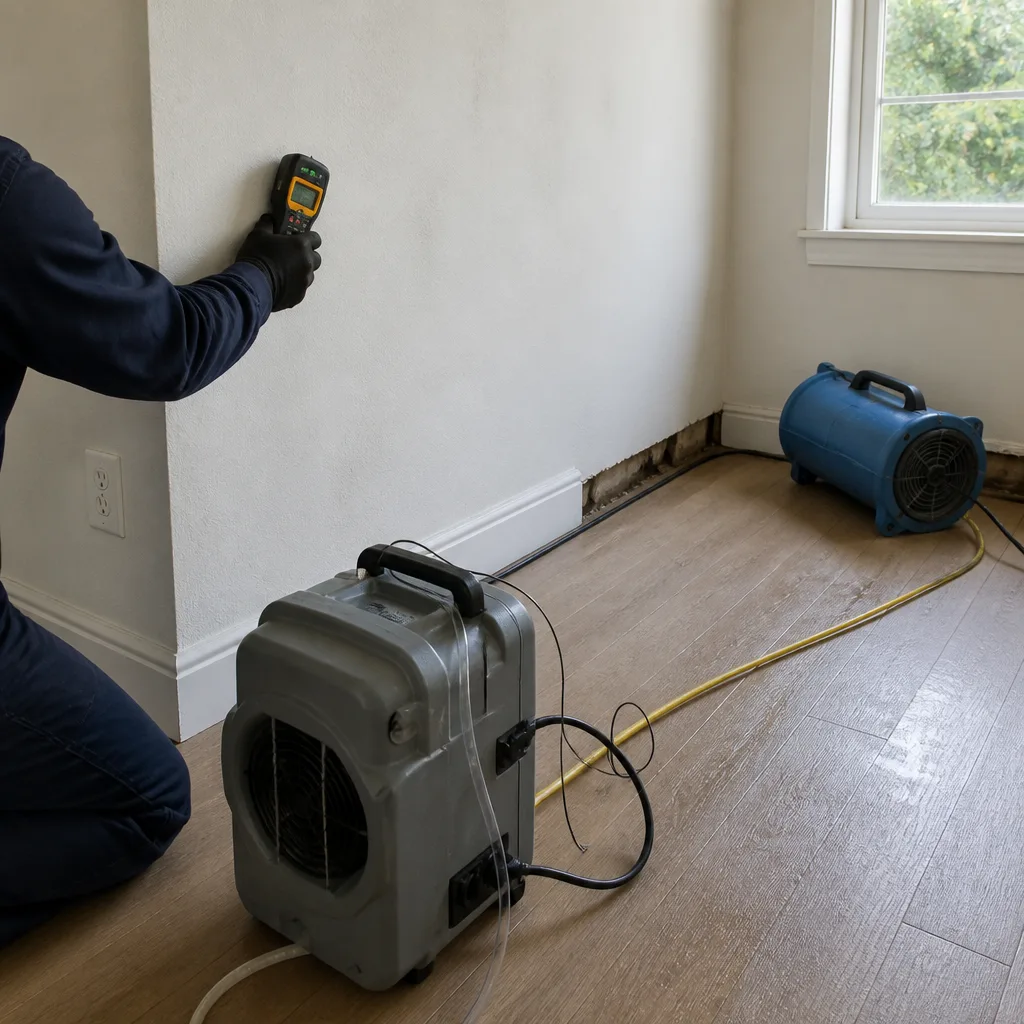
Mold Inspection & Testing identifies the species, concentration, and moisture source driving the growth. In Lakewood, we regularly find Aspergillus and Penicillium in homes near the San Gabriel River basin where seasonal humidity sits above 60% from June through October, plus Stachybotrys chartarum in properties with slow plumbing leaks behind tile shower surrounds. Our technicians use moisture meters, thermal imaging cameras, and air sampling pumps to document psychrometric data - temperature, relative humidity, and vapor pressure differential, which is the force that pushes moisture through walls - then explain each reading in plain language on site. You receive a written scope with photo documentation, lab results if sampling was performed, and a fixed price before remediation begins.
Mold Removal
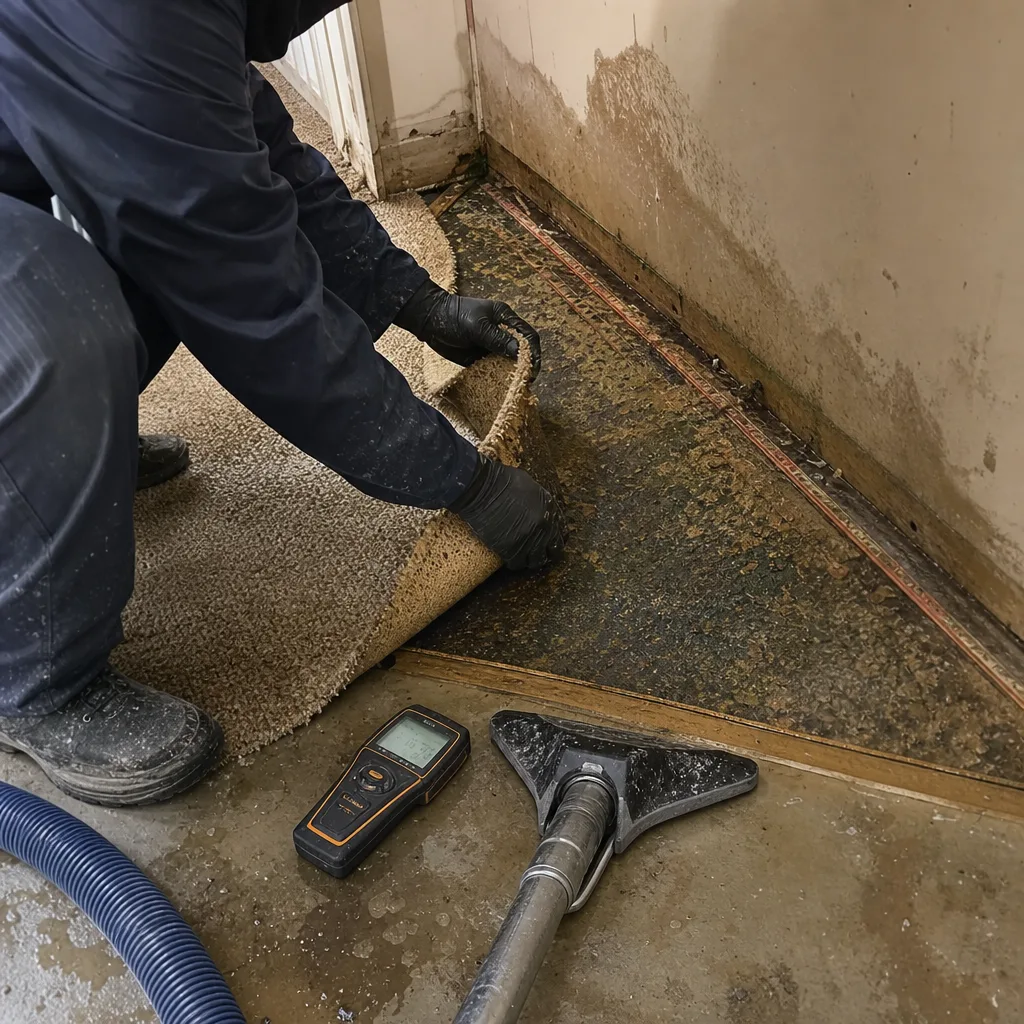
Mold Removal is the physical extraction of contaminated building materials and the HEPA vacuuming of settled spores on non-porous surfaces. We remove drywall, insulation, baseboards, and subfloor when moisture readings exceed 16% wood moisture content, the threshold where fungal colonization accelerates; we clean and seal framing members in place when readings sit below that line and the wood remains structurally sound. Our crews contain the work area with polyethylene sheeting and negative air machines, run by licensed technicians whose license numbers are documented on your job file. Every removal phase is photographed, logged, and added to the drying record that accompanies your invoice.
Black Mold Remediation
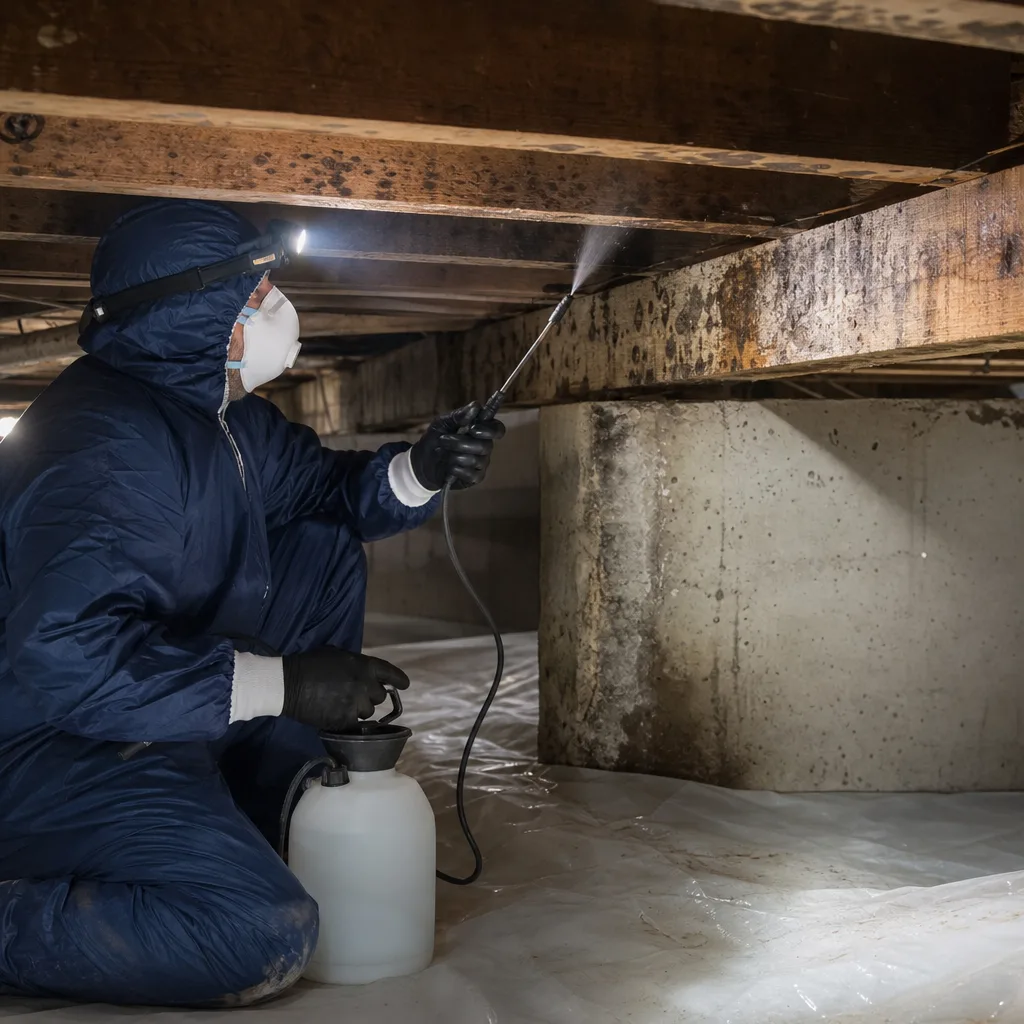
Black mold remediation addresses Stachybotrys chartarum and other toxigenic species that produce mycotoxins under sustained wet conditions. This work requires full containment, powered air purifying respirators for technicians, and disposal as regulated waste - not standard construction debris - because of the health documentation requirements for sensitive occupants. In Lakewood’s older neighborhoods like Lakewood Village and Mayfair, we’ve treated black mold in crawl spaces where foundation vents were sealed during energy retrofits without adding mechanical ventilation, trapping groundwater vapor against floor joists. We document the chain of custody for contaminated materials and provide clearance testing by an independent third party before containment comes down.
Air Quality Restoration
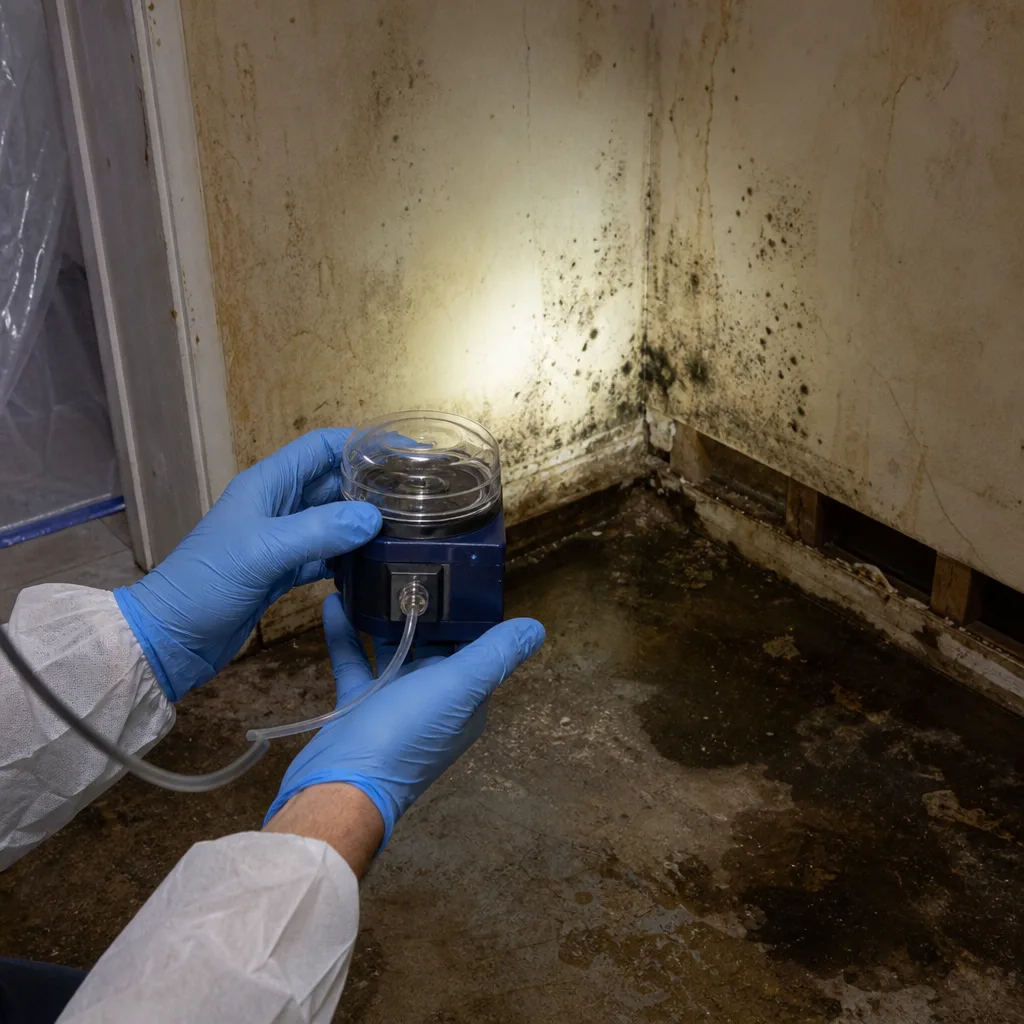
Air quality restoration returns indoor spore counts to outdoor ambient levels, which in Lakewood averages 200-800 spores per cubic meter depending on season and proximity to the Los Cerritos Wetlands. We deploy HEPA filtration devices, calculate air changes per hour based on room volume, and run them until post-remediation sampling confirms suppression. Our equipment includes Phoenix Guardian HEPA systems and supplemental carbon filtration for volatile organic compounds released by some mold species. You receive the before-and-after lab comparison as part of your documentation package.
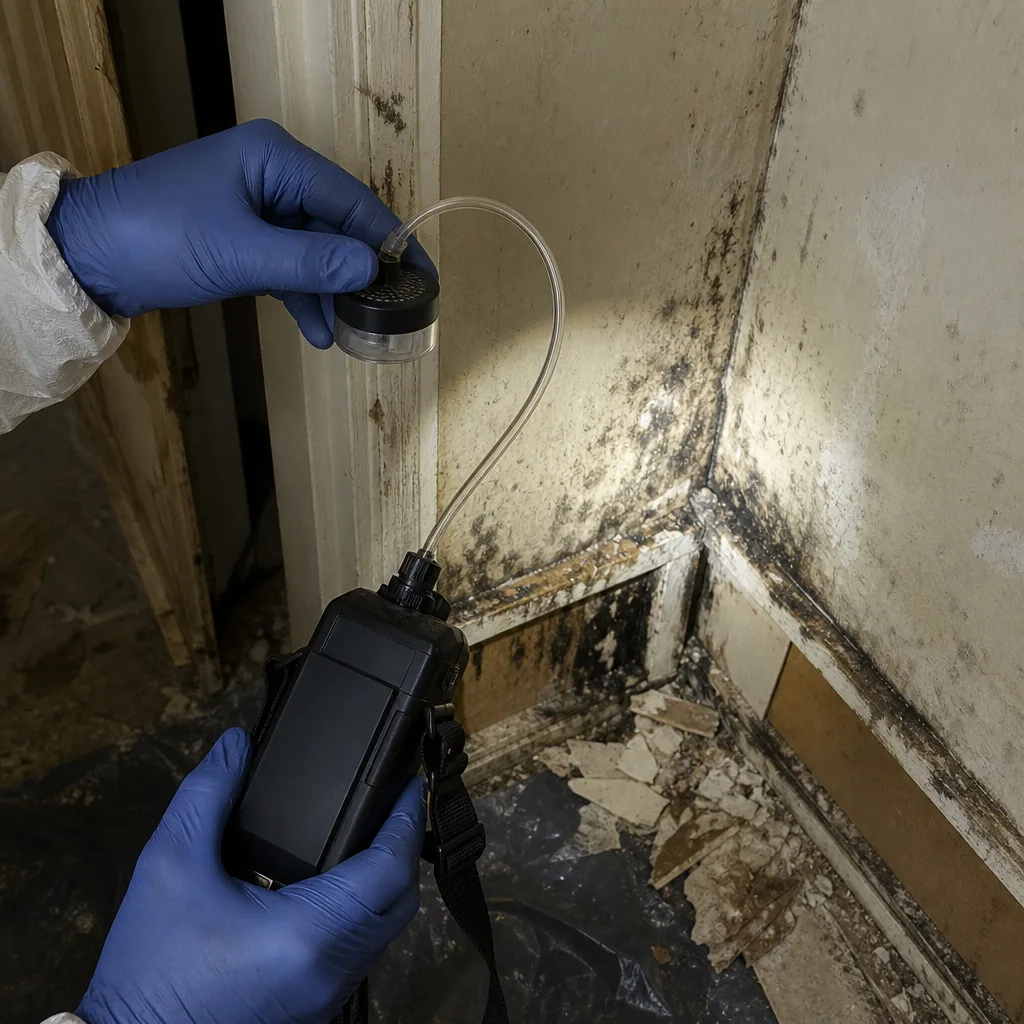
Crawl Space Treatment
Crawl space treatment addresses the most common hidden mold reservoir in Lakewood homes, where clay-heavy soils hold groundwater against foundations and original venting patterns create stagnant air pockets. We install vapor barriers, seal perimeter walls with closed-cell spray foam where appropriate, and deploy dehumidification to maintain relative humidity below 60% - the threshold that halts active growth. In the Lakewood Country Club area, we’ve treated crawl spaces where irrigation runoff from sloped lots collected against stem walls, creating sustained damp conditions that supported Chaetomium on floor joists. Every crawl space job includes moisture mapping with documented readings at 10-foot intervals.
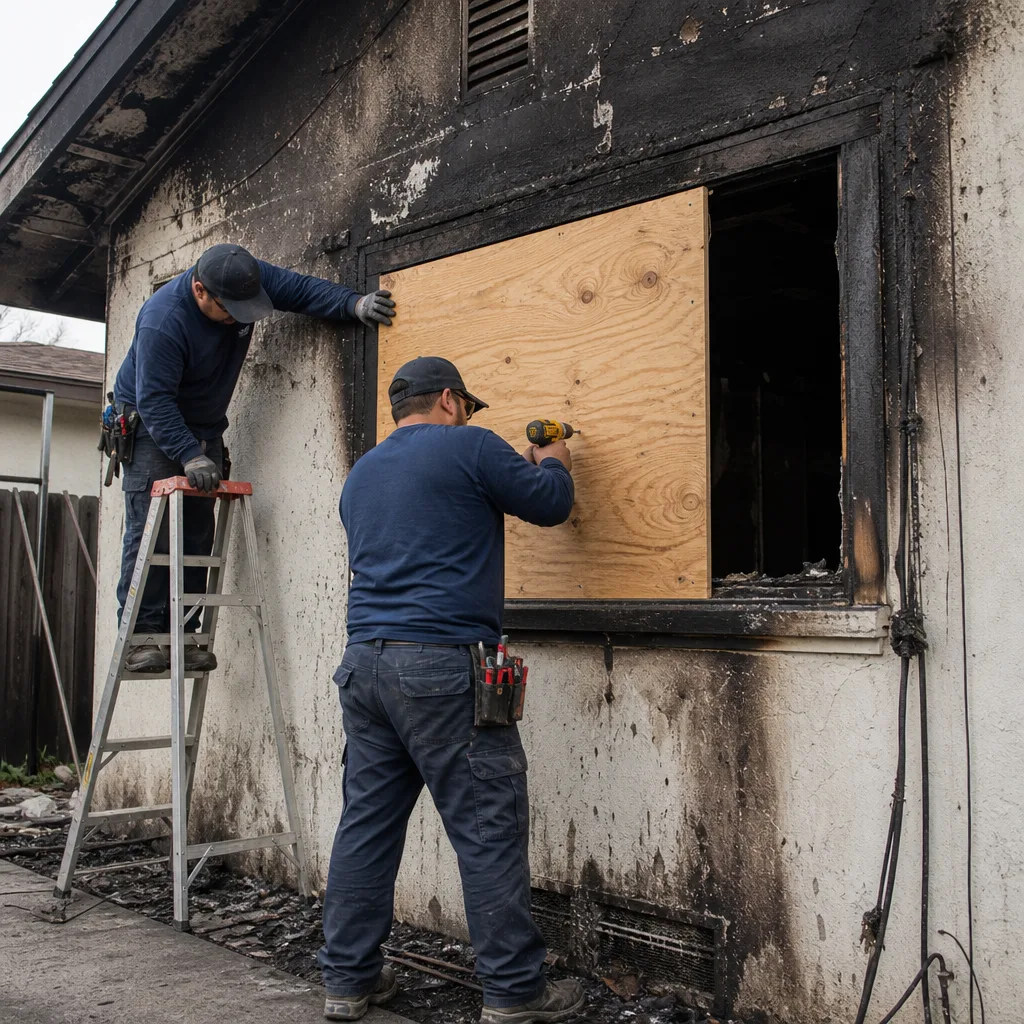
Moisture & Humidity Control
Moisture and humidity control prevents recurrence by eliminating the water source that enabled mold in the first place. We identify plumbing leaks, condensation on uninsulated ductwork, and exterior drainage failures using infrared thermography and borescope cameras that let us see inside wall cavities without destructive opening. Our drying logs track specific humidity grains per pound daily, and we don’t declare a job complete until readings stabilize within 10% of regional ambient conditions for 72 consecutive hours. The 365-Day Done Right Promise applies: if moisture returns and mold recurs in treated areas, we make it right under The Haven Standard.
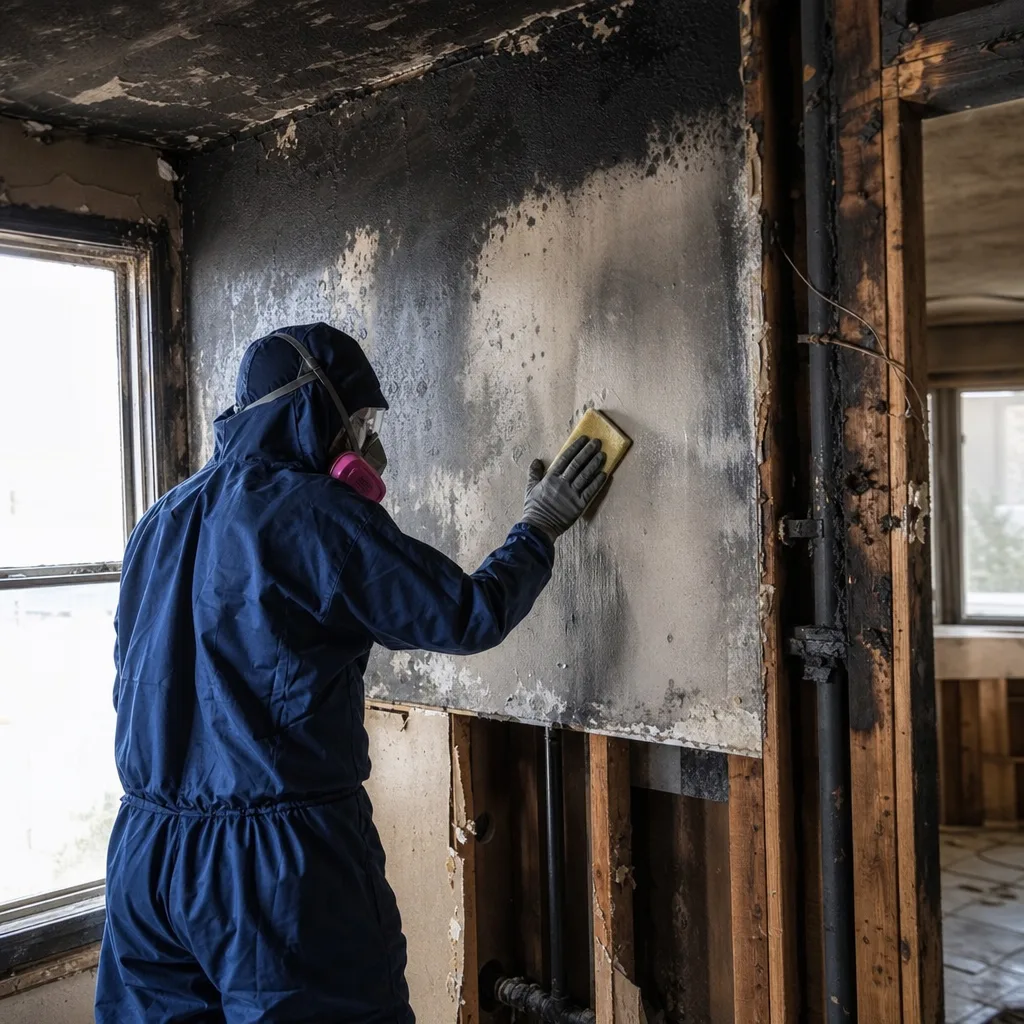
What happens when you call
- 1
A real person answersNo phone trees - you reach a local pro.
- 2
You get an upfront price rangeHonest numbers before anyone is dispatched.
- 3
A background-checked tech heads outLicensed & insured, dispatched right away.
- 4
You approve before work beginsNothing starts until you say go.
Signs You Need Mold Remediation Right Now
- A persistent musty odor that doesn’t resolve with cleaning. This smell indicates active microbial volatile organic compound (MVOC) production, which happens only when mold is metabolizing and growing. In Lakewood’s Mayfair neighborhood, we’ve traced seemingly minor odors to extensive growth inside HVAC return plenums where condensation collects on uninsulated sheet metal.
- Visible discoloration on walls, ceilings, or baseboards that spreads or darkens. What begins as a faint yellow or gray patch often signals colony establishment behind the surface; green, black, or brown coloration typically means the growth has reached sporulation and is releasing spores. We photograph the progression during our initial inspection to document the timeline for your insurer.
- Recent water damage that was dried without professional documentation. Carpet dryers and shop vacs don’t reduce moisture content inside wall cavities, where drywall paper facing provides ideal nutrition for mold. We find secondary damage in Lakewood homes where leaks were “handled” by the homeowner or a general contractor who didn’t own moisture meters.
- Respiratory symptoms that worsen at home and improve elsewhere. While we don’t diagnose health conditions, we document airborne spore counts and species identification so you have objective data for your physician. Homes near the San Gabriel River floodplain show elevated outdoor spore loads that compound indoor sources during Santa Ana wind events.
- Peeling paint, warping drywall, or rusting nail heads on interior walls. These indicate sustained moisture content above 20% in wood framing, well past the 16% threshold where mold colonizes. In Lakewood’s original 1950s tract homes, we’ve found this pattern where bathroom exhaust vents terminate in attics rather than outside, dumping humid air against roof decking for decades.
 Before
 After
AfterOur Mold Remediation Process - Step by Step
- 1
Inspection and moisture mapping. We arrive with thermal imaging cameras, pin and pinless moisture meters, and hygrometers to locate all affected areas, including those not yet showing visible growth. In Lakewood, we pay particular attention to slab-on-grade perimeter walls where irrigation overspray wicks through stucco weep screeds, and to original cast iron drain lines that fail from the inside out. You receive a written scope, a fixed price, and a photo record before any work begins - Haven Standard, Clause 1.
- 2
Containment and negative air establishment. We seal the work area with 6-mil polyethylene sheeting and create negative pressure using HEPA-filtered air scrubbers, preventing spore migration to clean areas of your home. The containment is photographed, and air scrubber flow rates are logged hourly during active remediation.
- 3
Removal of contaminated materials and HEPA cleaning. Porous materials with confirmed growth are removed and disposed of as regulated waste. Non-porous surfaces receive HEPA vacuuming followed by antimicrobial treatment with documented dwell times. We catalog every removed item with photos and dimensions for your insurance adjuster.
- 4
Structural drying and dehumidification. We deploy Dri-Eaz and Phoenix dehumidification systems sized to the affected cubic footage, with air movers positioned to create laminar airflow across wet surfaces. Daily moisture logs record specific humidity, temperature, and vapor pressure at each monitoring point until readings stabilize.
- 5
Clearance testing and documentation delivery. An independent third party collects air and surface samples for laboratory analysis; containment remains in place until results confirm spore counts at or below outdoor ambient levels. You receive the complete documentation package: photo record, drying logs, lab results, written warranty, and final invoice - everything your insurer needs to process payment without dispute.
How Much Does Mold Remediation Cost in Lakewood?
A typical contained mold removal in Lakewood - one bathroom or a single wall section with surface-level growth - runs $1,200-$2,400 depending on whether drywall replacement and texture matching are required; see our Mold Remediation cost guide for full pricing details. Moderate remediation involving multiple rooms, crawl space access, or HVAC contamination typically falls between $2,800-$4,500. Extensive whole-house cases with structural drying, full containment, and third-party clearance testing can exceed $6,000, though these represent fewer than 10% of the Lakewood properties we’ve treated since 2011.
Several factors move the price: the square footage of affected area, the accessibility (crawl spaces and attic eaves add labor hours), the species involved (toxigenic molds require enhanced PPE and disposal protocols), and whether the moisture source has been resolved or still requires plumbing or roofing repair. What doesn’t move the price, once written, is scope creep - Haven Standard, Clause 1 locks the figure when you approve it.
The most common overpayment we see in Lakewood is unnecessary demolition: competitors who remove entire rooms of drywall when only the bottom 24 inches show elevated moisture, or who recommend whole-house remediation based on a single positive air sample without species identification. Our free second opinion service exists for exactly this situation - bring any competitor’s written estimate and we’ll review it at no charge, citing specific IICRC standards that support or challenge their scope.
Every estimate we provide includes the inspection, moisture mapping, containment setup, removal and cleaning, drying equipment, and documentation package. Clearance testing by an independent third party is quoted separately so you can choose your own laboratory if preferred. Call (562) 373-6757 for an exact quote - estimates are free, and we deliver them in writing before any work starts.
Mold Remediation Near Lakewood - Our Service Area
We treat mold in Lakewood, Bellflower, Artesia, Long Beach, Cerritos, Signal Hill, Paramount, La Palma, Norwalk, Cypress, Downey, and Compton. Response time to Lakewood proper is typically same-day or next-morning; properties in Signal Hill or the north Long Beach border usually see us within 90 minutes during business hours. We know the local building stock: the 1950s Eichler-influenced atriums in Lakewood Village where flat roofs pond water, the post-war slab construction in Mayfair with original galvanized supply lines, and the 1970s two-stories near Lakewood Country Club where second-floor laundry drains fail inside walls. That local knowledge means faster diagnosis and more accurate scopes.
Serving Lakewood, CA - Our Local Coverage Area
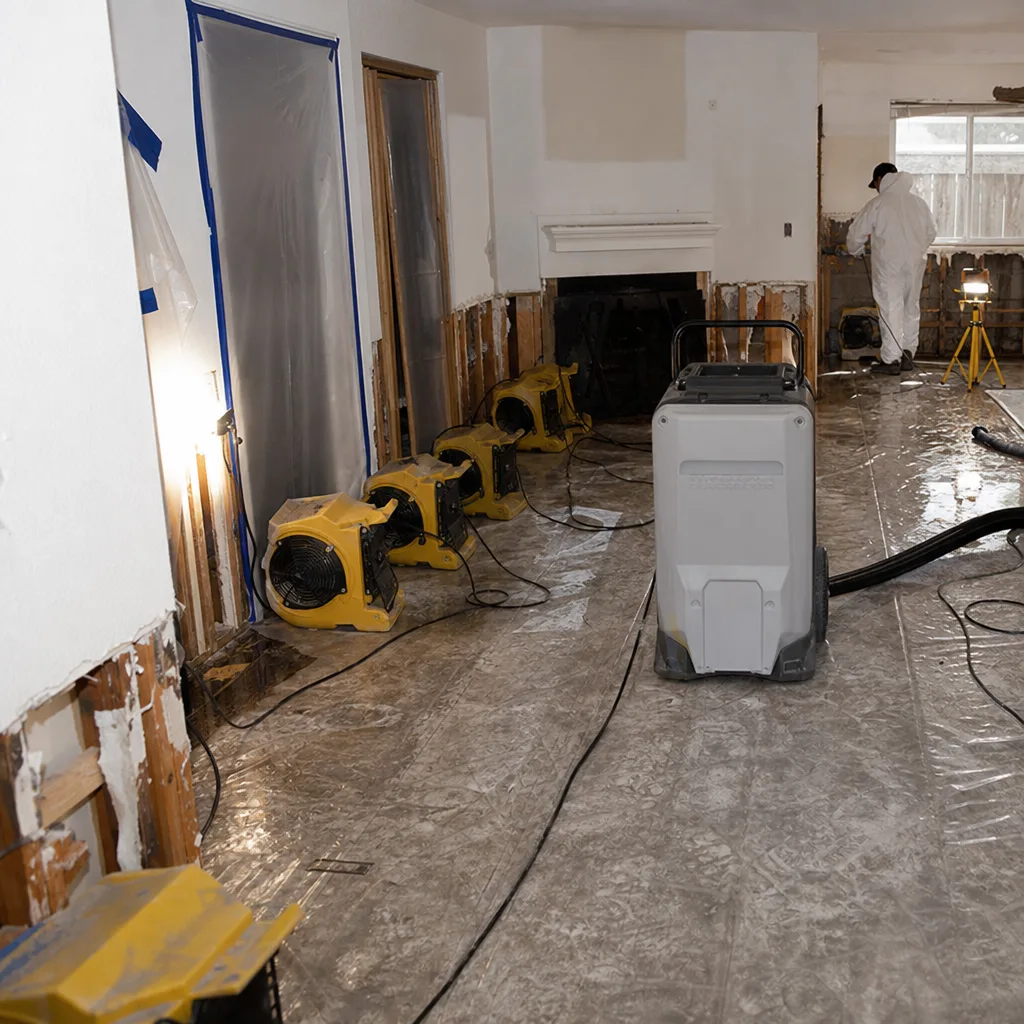
We’re based in the Lakewood area and know this community well. Use the map below to see our service coverage - if you’re nearby, we can almost certainly help.
Frequently Asked Questions - Mold Remediation in Lakewood
Mold remediation is the complete process of containing, removing, and verifying the elimination of mold growth, including the moisture source that caused it. Mold cleaning - spraying visible growth with bleach or similar products - kills surface colonies but doesn’t address spores in porous materials or the water feeding the problem, which is why we see recurring growth in Lakewood homes that attempted DIY treatment first. Our remediation includes documented drying to prevent return, backed by the 365-Day Done Right Promise.
Most contained residential jobs in Lakewood finish in 3-5 business days, with an additional 48-72 hours for third-party clearance testing results. Crawl space treatments and whole-house cases with HVAC involvement typically run 7-10 days. We don’t rush the drying phase: moisture logs must show stable readings for 72 hours before we declare the structure ready for reconstruction. Call (562) 373-6757 for a timeline estimate specific to your property.
Typical residential mold remediation in Lakewood ranges from $1,200 for contained single-room removal to $4,500 for moderate multi-room or crawl space treatment, with extensive cases exceeding $6,000. The final price depends on affected square footage, accessibility, species identification, and whether the moisture source requires separate repair. We provide a written price before work begins on every job - no exceptions - and offer free second opinions on any competitor’s written estimate.
We deploy Dri-Eaz, Phoenix, and XPOWER dehumidification and air moving equipment on every mold remediation job, and our technicians are trained in the specific maintenance and performance verification protocols for each brand. B-Air units supplement our fleet for specialized applications like crawl space drying where vertical clearance limits equipment height. Whether your previous contractor used these brands or others, we can assess their drying performance and document whether it met IICRC standards for your situation.
Active water intrusion with visible mold growth requires same-day response to prevent structural damage and spore dispersal, and we answer our phones live 24 hours a day, 7 days a week for these situations. Established, dry mold without ongoing moisture is urgent for occupant health but doesn’t typically worsen overnight, so we schedule inspection within 24 hours and begin remediation as soon as the written scope is approved. Call (562) 373-6757 and we’ll triage your situation directly.
Every mold remediation job carries the 365-Day Done Right Promise under The Haven Standard: if mold returns in treated areas within one year due to workmanship or incomplete drying, we return at no charge to make it right. This is a written warranty, not a verbal assurance, and it’s stamped on every job file. The warranty applies to our remediation work; new water intrusion from plumbing failure, roof leaks, or other subsequent events requires separate assessment.
Remove personal items from the affected area if safe to do so; leave wall contents and built-in fixtures for our crew to photograph in place as part of the documentation record. Ensure access to electrical panels and water shutoffs, and inform us of any occupant health conditions like asthma or immunocompromise that may affect containment strategy. We handle furniture moving, protective floor covering, and post-job cleaning - preparation is minimal because our documentation process requires us to see conditions as found. Call (562) 373-6757 to schedule and receive specific preparation guidance for your property.
Schedule Your Mold Remediation Service in Lakewood Today
Call (562) 373-6757 now to speak with a live person - no voicemail, no callback queue. We’ll schedule your free inspection, deliver a written price before any work starts, and document every phase of remediation with the photo records and moisture logs that turn restoration invoices into payable insurance claims. The 365-Day Done Right Promise applies to every job. Alicia Brennan and the team at Back to Dry Restoration have operated under The Haven Standard since 2011, and we’re ready to put that standard to work in your Lakewood home.
Written by Alicia Brennan, Owner at Back to Dry Restoration, serving Lakewood since 2011.