
Last updated September 23, 2026
Free visual inspection and a written scope of work before any mitigation begins - photos, moisture readings, and drying logs go in your claim file
The scope we write is the scope we bill. Anything new gets shown to you, in writing, before we touch it.
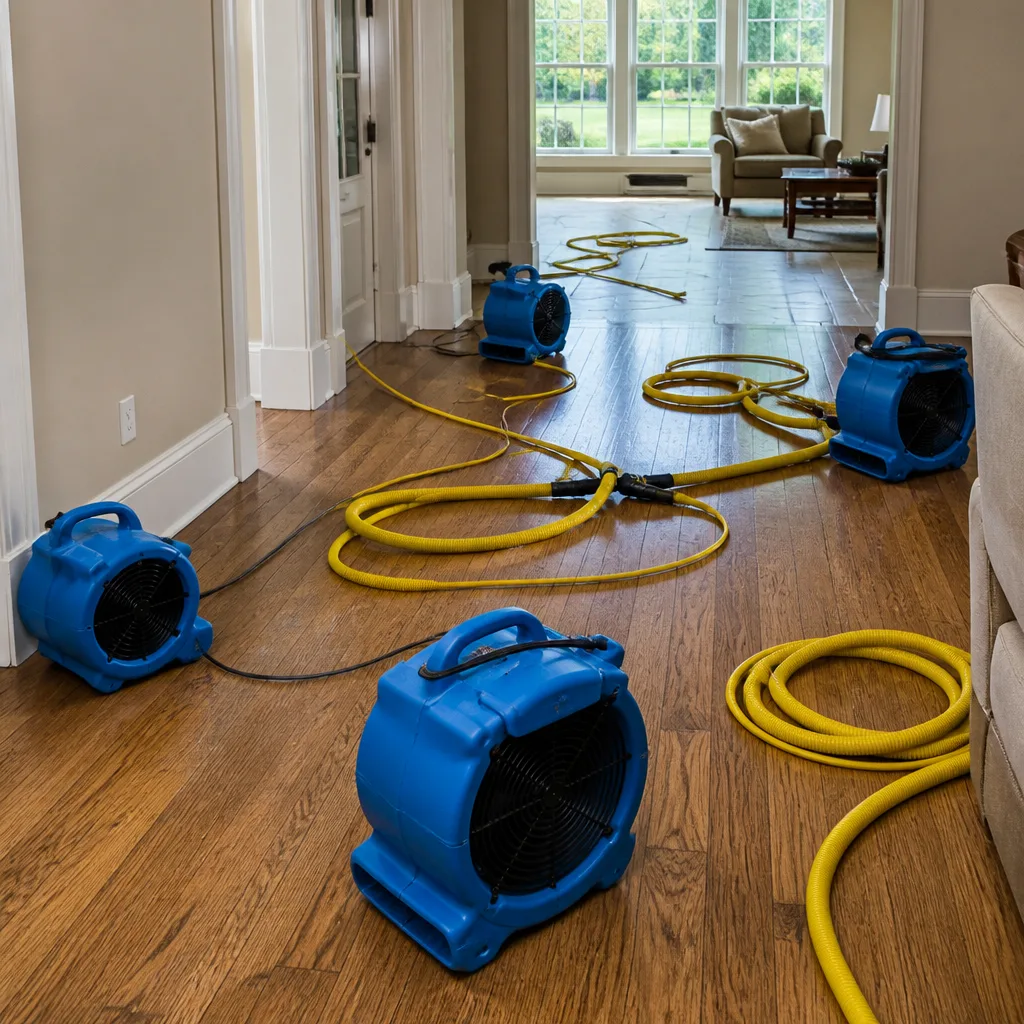
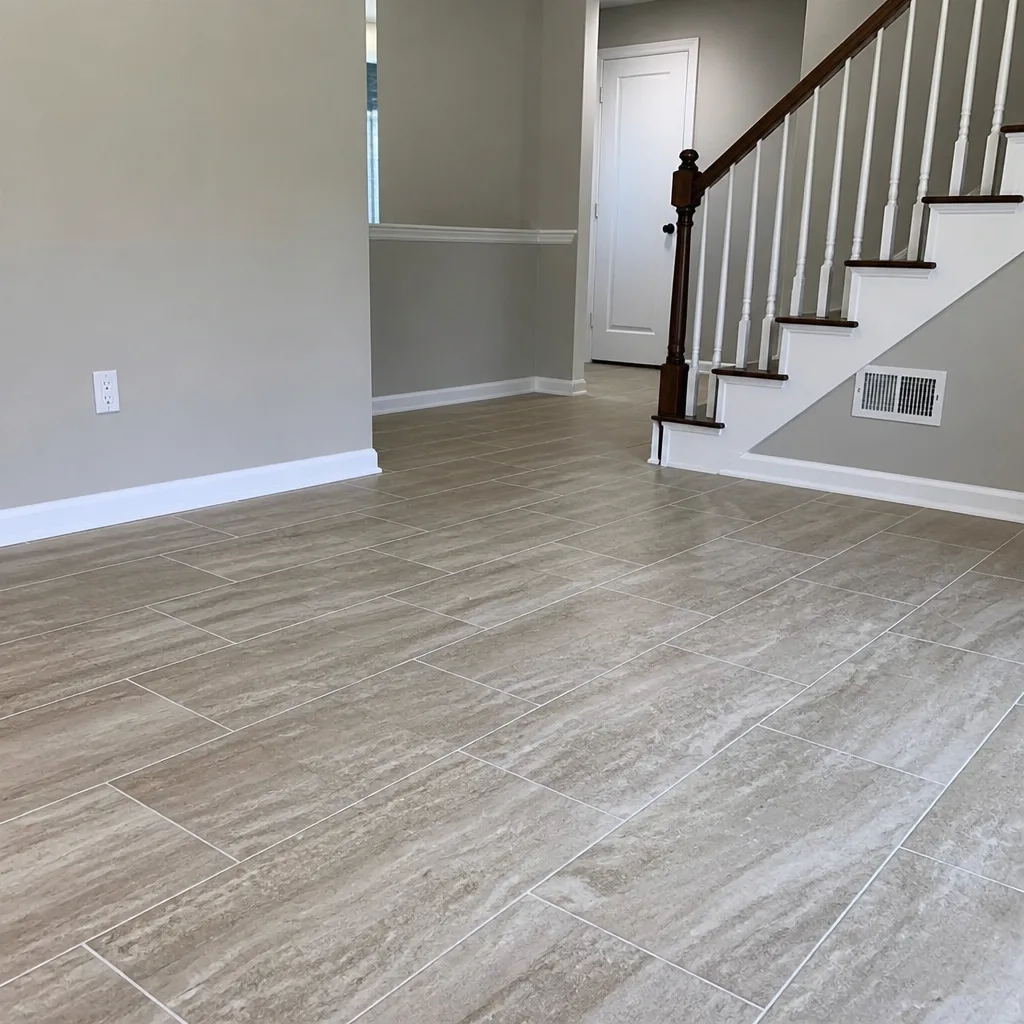

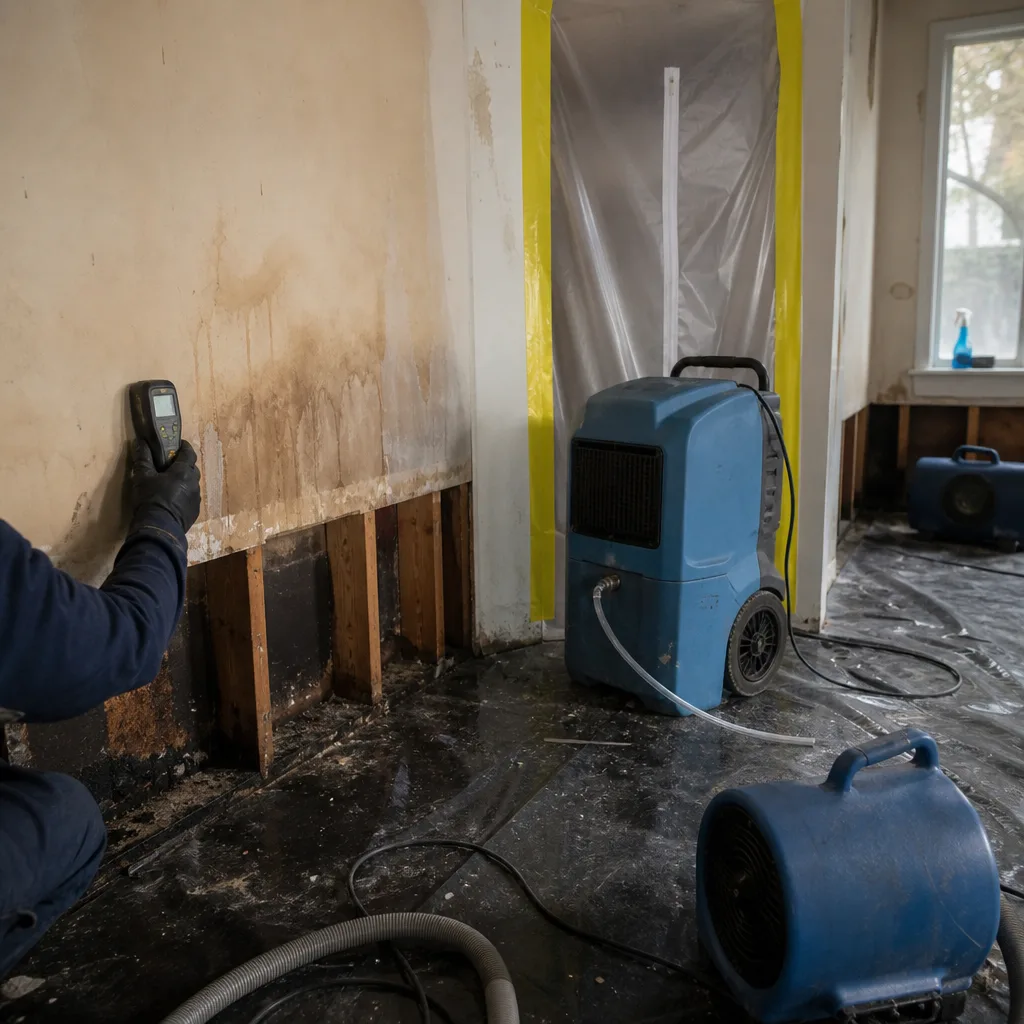 Before
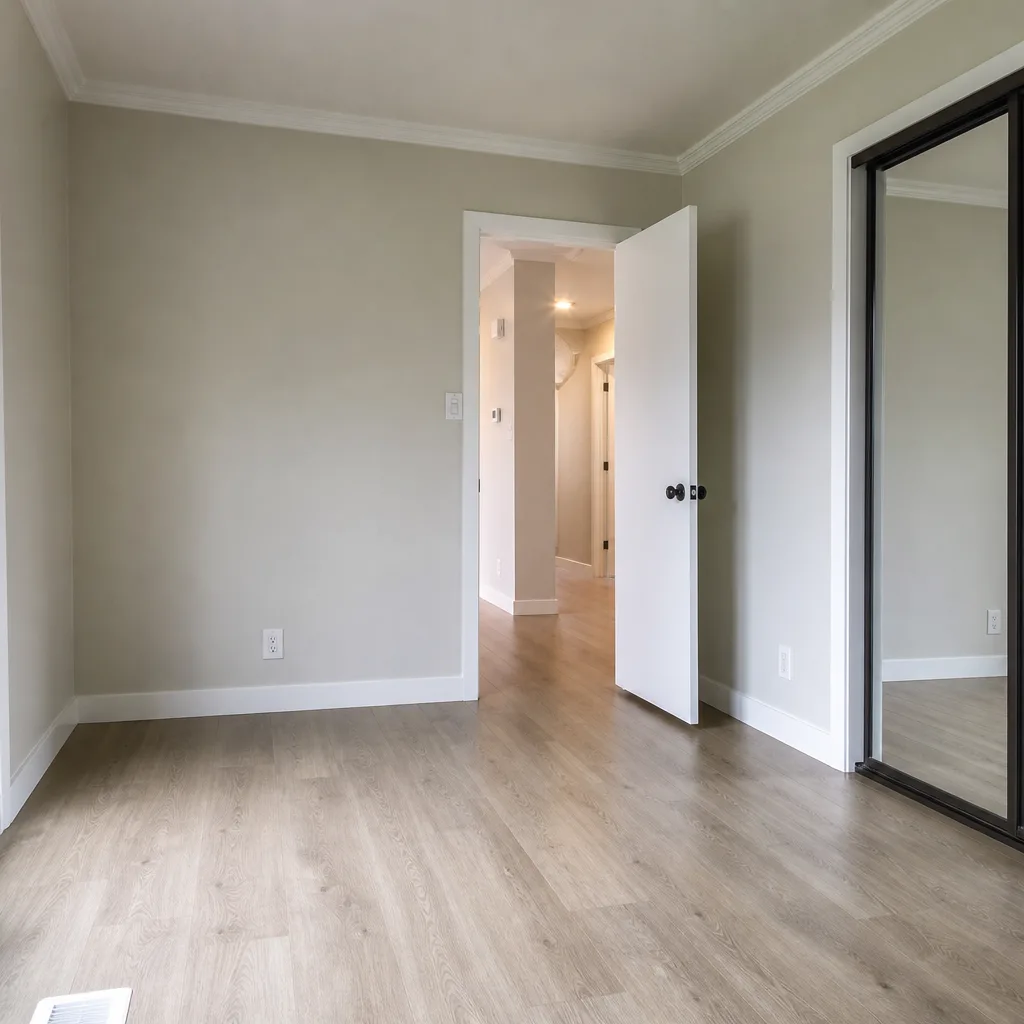 After
After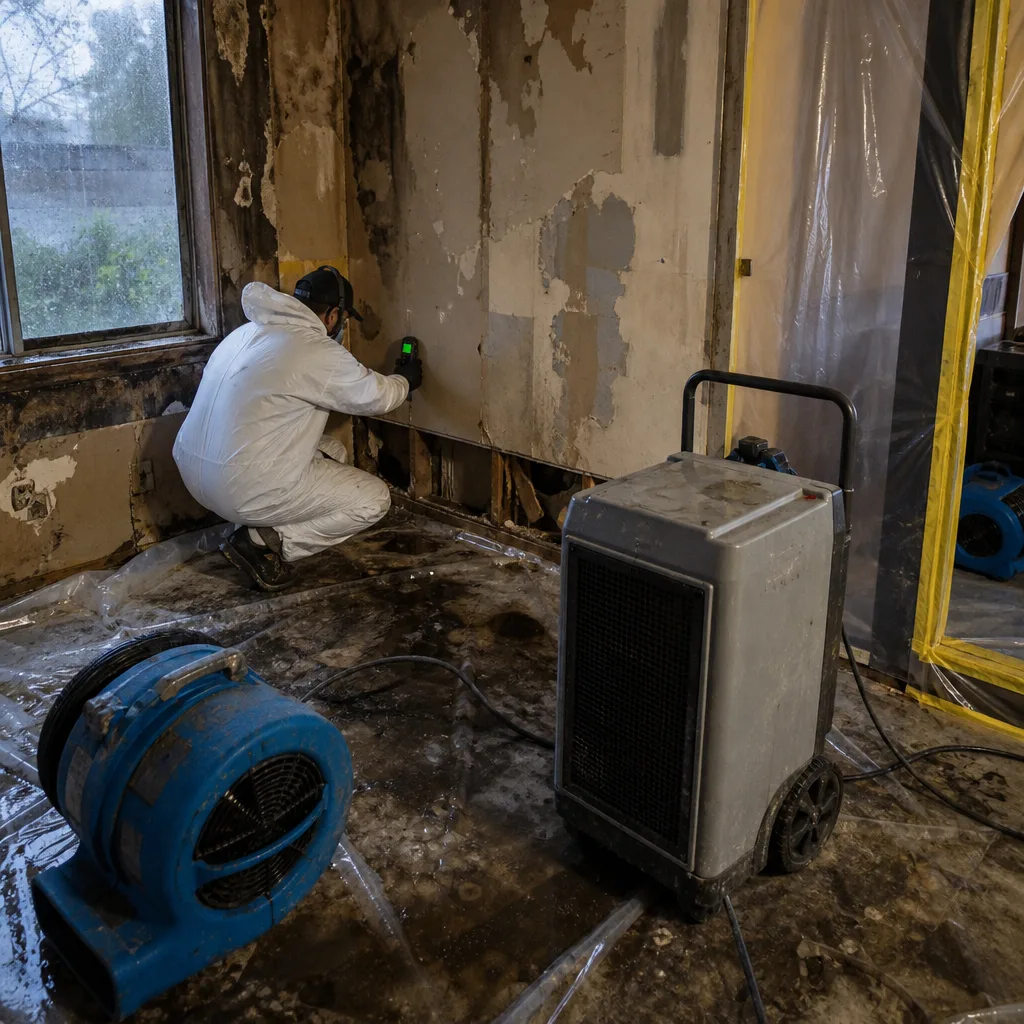 Before
 After
After Before
 After
AfterDamage Restoration Permits, Codes & Inspections in CA: What You Need to Know
A drywall replacement job in Lakewood that crosses the threshold into “structural repair” requires a permit - and most contractors won’t tell you that because pulling permits creates a paper trail they’d rather avoid. We’ve reviewed thousands of restoration invoices since 2011, and the ones that create the most problems for homeowners aren’t the expensive ones. They’re the unpermitted ones, discovered two years later when a buyer’s inspector finds no permit record for the new subfloor, or when a second water loss reveals that the first repair never met code. California’s permit requirements for restoration work are frequently misrepresented as optional or irrelevant to insurance claims. This guide maps exactly which restoration scopes trigger permit requirements under California Building Code, how the City of Lakewood processes them, and why documentation of compliance belongs in every claim. For more guides & resources on navigating restoration in Lakewood, see our blog.laim file.
Quick Answer
Most structural repairs, electrical or plumbing replacements, and mold remediation exceeding 10 square feet in California require permits under Title 24. In Lakewood, emergency permits can be issued same-day for active water or fire damage, while standard restoration permits typically take 5-10 business days. Unpermitted work can constitute a material defect under California Civil Code 1102 and may void portions of an insurance claim if discovered during a future loss or property sale.
Table of Contents
- When Restoration Work Requires a Permit in California
- How Lakewood Processes Restoration Permits: Emergency vs. Standard
- Structural Repairs and the Permit Threshold
- Mold Remediation: California Health and Safety Code Section 17920.3
- Electrical, Plumbing, and HVAC Replacements in Restoration
- The Real Cost of Unpermitted Restoration Work
- How Permit Documentation Integrates with Insurance Claims
- Inspections, Re-Inspections, and Passing the First Time
 Before
 After
AfterWhen Restoration Work Requires a Permit in California
California Residential Code Title 24, Part 2.5, governs when repair and alteration work triggers permit requirements. The threshold is lower than most homeowners assume, and lower than most contractors admit. For restoration specifically, the triggering events fall into four categories: structural involvement, square footage thresholds, trade work, and health-hazard remediation.
Structural repairs always require a permit. This includes any work affecting load-bearing walls, floor or ceiling joists, roof rafters, or foundation elements. In practice, this means that many “simple” water damage repairs in Lakewood homes - particularly those involving subfloor replacement in bathrooms, kitchen cabinet removal revealing damaged wall framing, or ceiling drywall removal exposing compromised ceiling joists - cross into permitted territory. The test is not whether the contractor thinks the repair is “major.” The test is whether the repair touches a structural element, as defined by the California Building Code.
Non-structural repairs trigger permits by scope. Under Lakewood’s adoption of Title 24, the following thresholds apply:
- Wall or ceiling repair exceeding 200 square feet in a single room, or 500 square feet cumulative in a dwelling
- Floor repair or replacement exceeding 100 square feet
- Window or exterior door replacement (any size - this surprises many homeowners)
- Any alteration to means of egress, including hallway drywall repair that affects corridor width
Trade work always requires permits, regardless of scope. Electrical panel replacement, circuit additions, outlet relocation, plumbing line repair or replacement, and HVAC ductwork modification all require separate electrical, plumbing, or mechanical permits. In a typical Lakewood water damage restoration involving a leaking supply line behind a wall, the plumber’s repair of the line and the electrician’s replacement of wet outlets each require their own permits - even if the drywall patch is below the 200-square-foot threshold.
Mold remediation triggers notification requirements at 10 square feet. Under California Health and Safety Code Section 17920.3, any mold remediation affecting more than 10 square feet of visible mold growth requires compliance with specific containment, notification, and clearance standards. While this is not a “permit” in the building department sense, it functions as a regulatory filing requirement, and failure to document compliance can result in the same disclosure problems as unpermitted structural work.
We’ve seen contractors in Lakewood’s Park Estates and Lakewood Village neighborhoods classify extensive subfloor repairs as “maintenance” to avoid permit delays. The homeowner saves five days upfront. They lose the sale, or face a $15,000 re-repair, when the unpermitted work surfaces in a future transaction.
How Lakewood Processes Restoration Permits: Emergency vs. Standard
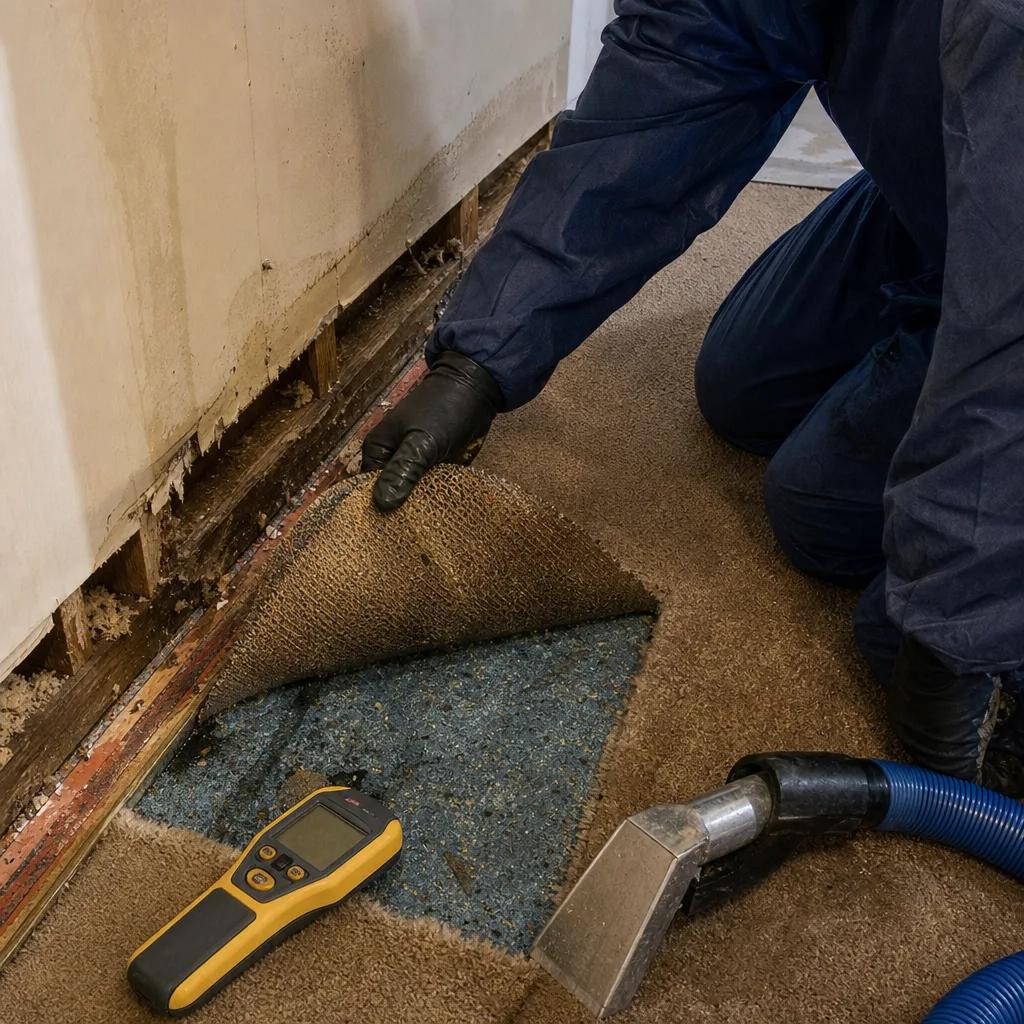
The City of Lakewood Building and Safety Division, located at 5050 Clark Avenue, processes permits through two tracks: emergency and standard. Understanding the difference saves days on a water or fire loss, and determines whether your drying timeline or reconstruction schedule controls the project.
Emergency permits apply to active damage creating imminent safety hazards. These include:
- Structural compromise from fire damage or water-saturated framing
- Electrical hazards from water intrusion into panels or circuits
- Plumbing failures causing active flooding or sewage backup
- Roof failures exposing interior to weather
For emergency permits, Lakewood Building and Safety accepts applications by phone at (562) 373-6757, extension 2140, with follow-up documentation submitted within 72 hours. The permit fee is typically 150% of the standard fee, but issuance can occur same-day if the application arrives before 2:00 PM. The trade-off: emergency permits require that all work remain open and accessible for inspection until the inspector signs off. You cannot close walls, install flooring, or paint until the emergency inspection passes.
Standard permits follow the standard plan-check process. For restoration work not meeting emergency criteria, the timeline is:
- Application submission with scope description, contractor license information, and permit fees
- Plan review by building staff (5-10 business days for residential repairs)
- Permit issuance upon approval
- Inspection scheduling (typically 2-3 business days out in Lakewood)
- Final inspection and sign-off
Lakewood participates in the Los Angeles County electronic permit system, which allows online application and inspection scheduling. However, restoration contractors unfamiliar with the system often submit incomplete applications, triggering delays. Common errors include: failing to specify whether the repair restores the original configuration or modifies it; omitting the contractor’s Workers’ Compensation certificate; and neglecting to identify the property’s Assessor’s Parcel Number (APN), which Lakewood requires for all permit filings.
In our experience restoring homes in Lakewood’s Mayfair and Lakewood Country Club areas, the standard permit process adds 7-14 calendar days to a reconstruction timeline. This is not optional time. It is documentation time that protects the homeowner’s claim file and future saleability. We build this timeline into every written scope under Haven Standard, Clause 1, so the homeowner sees the full duration before work begins - no surprises, no scope-creep additions once the crew is inside.
Structural Repairs and the Permit Threshold
The structural repair threshold is where most restoration contractors mislead homeowners, intentionally or from ignorance. California Building Code Section 105.1 requires permits for “repair or replacement of structural members.” The code does not distinguish between “minor” and “major” structural work. If a joist, rafter, stud, or foundation element is cut, sistered, replaced, or reinforced, the work requires a permit and inspection.
Common restoration scenarios that trigger structural permits:
- Subfloor replacement in bathrooms or kitchens where the existing subfloor is removed and new plywood or OSB is installed - the subfloor is a structural diaphragm element
- Wall framing repair after water damage or mold remediation, including sistering of studs or replacement of bottom plates
- Ceiling joist repair after upper-floor water intrusion, including any attachment of new framing to existing structural members
- Roof deck repair after storm or fire damage, even partial sections
- Foundation crack repair or waterproofing that involves excavation or structural modification
The “like-for-like” exemption does not apply to structural work in the way many contractors claim. While California does allow repair-in-kind without full engineering review for some non-structural elements, structural repairs must meet current code standards, not merely replicate the original construction. A 1970s Lakewood home with 2×8 floor joists at 24 inches on center cannot simply receive identical replacement joists if current span tables require 2x10s or 16-inch spacing. The permit process ensures this compliance, and the inspection verifies it.
We’ve documented cases in Lakewood’s Del Amo neighborhood where unpermitted subfloor repairs, performed “to keep the job moving,” failed to meet current span requirements. For a deeper look at identifying problems before they escalate, see Damage Restoration Warning Signs: A Lakewood Homeowner’s Reference Guide. The homeowner discovered the deficiency when a subsequent inspection for a kitchen remodel revealed sagging floors and non-compliant framing. The original restoration contractor was out of business. The homeowner paid $8,400 to remove finished flooring, re-frame to code, and re-permit - with no insurance coverage for the re-repair because the original work was undocumented and unpermitted.
Our approach: on every structural repair scope, we identify the permit requirement in writing, include the permit fee in the written price, and schedule the inspection before closing walls. The photo record on every visit documents framing conditions before, during, and after repair. The permit number is recorded in the job file and provided to the homeowner for their records. This is standard at DryMark Restoration Lakewood, not an upgrade.
Mold Remediation: California Health and Safety Code Section 17920.3
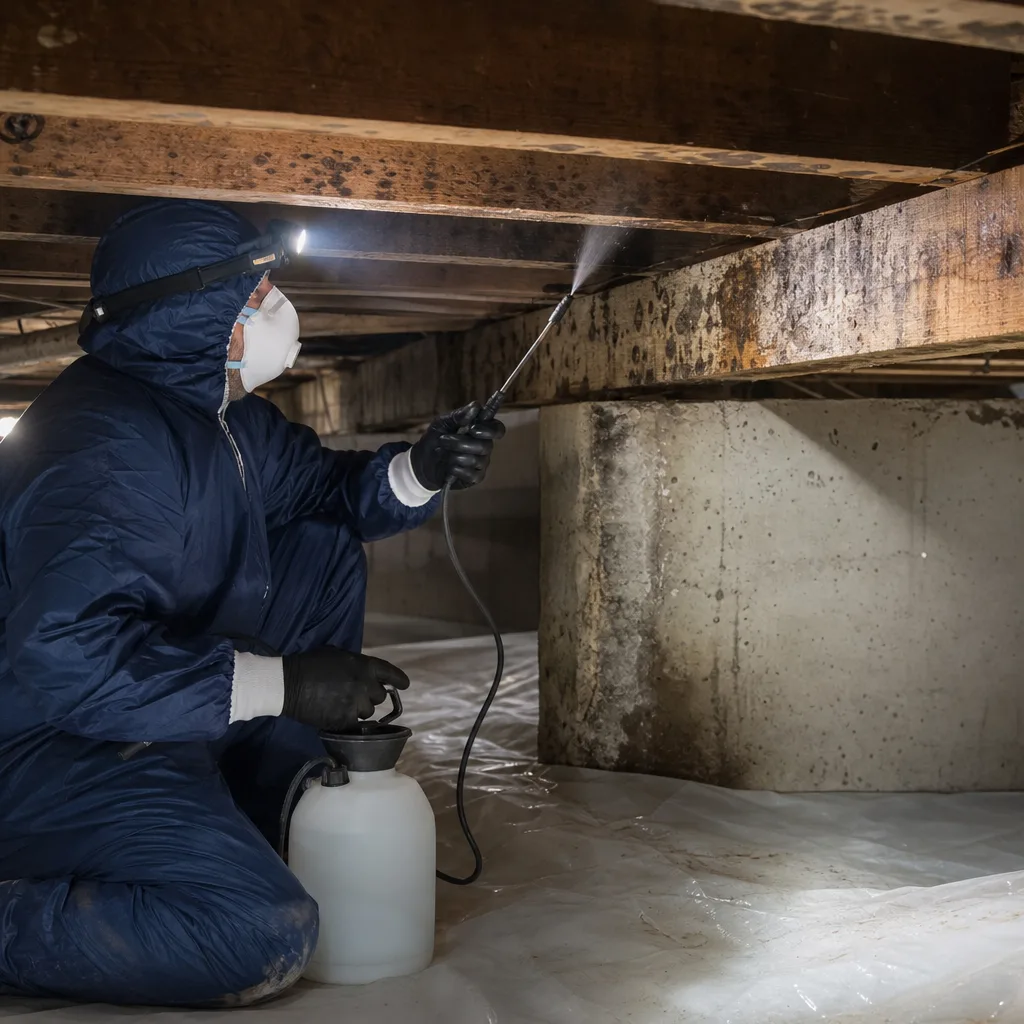
Mold remediation occupies a unique regulatory position in California. It is not building permit work in most jurisdictions, including Lakewood, but it is heavily regulated under health and safety statutes. California Health and Safety Code Section 17920.3 defines mold as a substandard condition when it “endangers the health, life, safety, property, or welfare of the public or the occupants.” This triggers specific contractor obligations that function as a parallel permitting system.
The 10-square-foot threshold is the critical dividing line. Remediation of visible mold growth totaling less than 10 square feet may be performed by a general restoration contractor following IICRC S520 standards. At 10 square feet or greater, California requires:
- Containment of the affected area using polyethylene sheeting and negative air pressure
- Notification to occupants of the remediation scope and duration
- Use of personal protective equipment meeting OSHA standards
- Post-remediation clearance testing by an independent third party, or documented visual inspection by a qualified professional if the occupant declines testing
The notification requirement is frequently ignored. Section 17920.3 requires that occupants receive written notice of the mold condition, the remediation plan, and the right to request clearance testing. This is not a courtesy. It is a statutory requirement, and failure to document it can expose the contractor and property owner to liability if occupants later claim health effects.
In Lakewood’s older housing stock, particularly the 1940s-1950s tract homes in the original Lakewood development, we regularly encounter mold conditions exceeding the 10-square-foot threshold in crawl spaces and behind original lath-and-plaster walls. The climate pattern here - morning marine layer moisture, afternoon sun, and limited cross-ventilation in original construction - creates ideal conditions for hidden mold growth. Remediation in these homes almost always triggers the full Section 17920.3 protocol.
Our documentation for mold remediation includes: the initial moisture reading and affected square footage; the containment diagram; the notification letter signed by the occupant; daily photos of containment integrity; the clearance test results or signed visual inspection waiver; and the final scope summary. This file becomes part of the insurance claim documentation and the property’s permanent record. When a future buyer’s inspector asks whether mold was properly remediated, the homeowner produces the file. No ambiguity. No re-remediation.
We document all mold remediation to IICRC S520 and RIA standards, with equipment from Dri-Eaz and Phoenix for containment air scrubbing and dehumidification. The daily drying logs record psychrometric data - temperature, relative humidity, and vapor pressure differential - that demonstrate the environment was controlled throughout the remediation.
Electrical, Plumbing, and HVAC Replacements in Restoration
Trade work in restoration contexts generates the most permit violations because it is often performed as “incidental” to the larger scope. A water damage restoration includes plumbing repair. A fire damage restoration includes electrical re-routing. The contractor handling the drywall and flooring subcontracts the trade work, assumes the subcontractor will pull permits, and never verifies.
Electrical work requiring permits in Lakewood restoration:
- Panel replacement or upgrade (common after water intrusion or fire damage)
- Circuit additions or modifications to accommodate new equipment
- Outlet or switch replacement below flood level (California requires GFCI protection)
- Wiring repair in walls opened for drying or remediation
- Smoke detector hardwiring or replacement (must meet current California requirements for interconnected, battery-backup units)
California Electrical Code, based on NEC 2020 with state amendments, requires permits for all of the above. The interconnected smoke detector requirement, in particular, catches restoration contractors unaware. A fire damage repair in a pre-2016 Lakewood home cannot simply replace individual battery detectors. Current code requires hardwired, interconnected units with battery backup in every sleeping room, outside each sleeping area, and on every level. This is a permit-triggering electrical upgrade, not a like-for-like replacement.
Plumbing work requiring permits:
- Supply line repair or replacement behind walls
- Drain line repair or replacement
- Water heater replacement (including like-for-like, due to current seismic strapping and pan requirements)
- Fixture replacement that modifies drainage configuration
- Backflow prevention device installation (required for irrigation systems affected by water main pressure events)
HVAC work requiring permits:
- Ductwork modification or replacement
- Furnace or air handler replacement
- Condensate line repair or re-routing
- Evaporator coil replacement
Each trade permit requires its own inspection. A typical Lakewood water damage restoration involving plumbing repair, electrical outlet replacement, and HVAC duct cleaning may require three separate permits with three separate inspections. Coordinating these inspections is the contractor’s responsibility, but verifying their completion is the homeowner’s protection.
We include all trade permits in our written scope, with permit fees itemized. The final documentation packet includes copies of all permit cards with inspector sign-offs. This is the documentation that turns a restoration invoice into a claim an insurer will pay without a fight - and a property record that survives any future transaction.
The Real Cost of Unpermitted Restoration Work
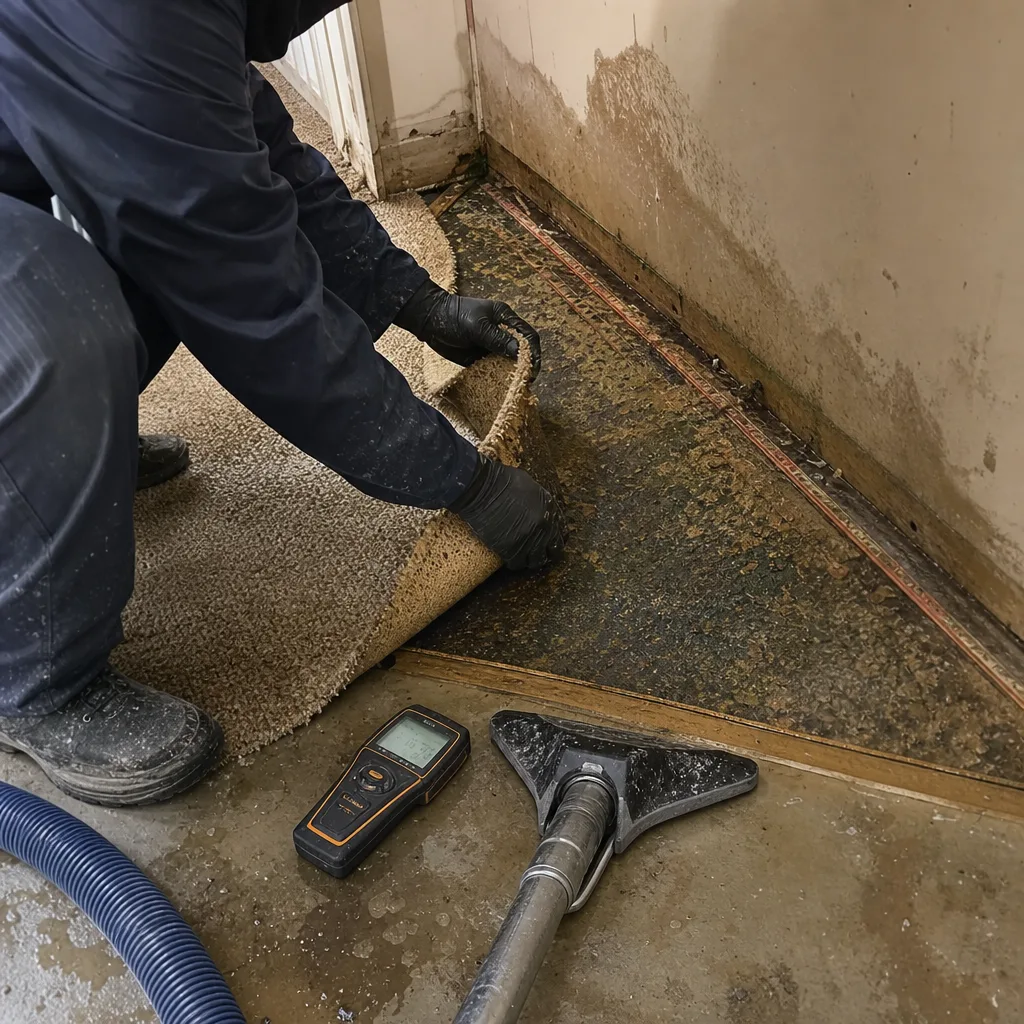
The immediate cost of a permit in Lakewood is modest: typically $200-$800 for residential restoration permits, depending on valuation. The cost of unpermitted work, when discovered, is multiples of that figure. Understanding the specific risks helps homeowners evaluate whether a contractor’s “permit optional” advice serves their interests.
California Civil Code Section 1102: Material Defect Disclosure. California requires sellers to disclose material defects affecting property value or desirability. Unpermitted structural, electrical, or plumbing work qualifies as a material defect if it does not meet code standards or lacks required inspections. The disclosure obligation applies even if the current owner did not perform the work - they must disclose what they know or should have known.
In practice, this means:
- A home inspection for sale reveals new subfloor with no permit record - the seller must disclose or remedy
- A buyer’s title search or permit history review finds gaps corresponding to visible repairs - the seller faces price reduction demands or sale cancellation
- A subsequent insurance claim reveals that prior restoration work was unpermitted - the insurer may deny coverage for related damage, arguing the prior repair was defective
We’ve reviewed claim files where insurers denied coverage for repeated water damage because the original unpermitted repair failed to address the source. The homeowner paid for the original “repair,” paid again to bring it to code, and paid a third time for the new damage that the original repair should have prevented. The contractor who performed the unpermitted work was unlocatable.
Insurance claim complications. Some adjusters, particularly on structural repair claims, now request permit numbers as standard documentation. The absence of a permit does not automatically void coverage, but it triggers additional scrutiny: Was the work performed to code? Was the scope appropriate? Was the pricing reasonable for permitted work or inflated for unpermitted work? The claim takes longer to resolve, and the homeowner may face coverage limitations for undocumented repairs.
In Lakewood’s competitive real estate market, where homes in the Lakewood Village and Country Club areas regularly sell above $900,000, unpermitted restoration work can derail transactions at the worst possible moment. The cost is not merely the re-permit fee. It is the carrying cost of a delayed sale, the price reduction to compensate for buyer uncertainty, and the potential for re-repair to meet current code.
How Permit Documentation Integrates with Insurance Claims
The documentation-first approach to restoration exists because insurance claims are documentation contests. The adjuster’s job is to verify that claimed work was necessary, performed, and performed correctly. Permit documentation is the most objective verification available - it is created by a neutral government entity, timestamped, and publicly recordable.
How we integrate permits into every claim file:
- Pre-work documentation: The written scope identifies all permit requirements before work begins, with permit fees included in the line-item pricing. The homeowner sees the full cost, including compliance costs, under Haven Standard, Clause 1.
- Active permit tracking: Permit application numbers, inspector contact information, and scheduled inspection dates are recorded in the job file and shared with the homeowner. The photo record on every visit includes permit card photos posted at the job site.
- Inspection documentation: Passed inspection cards are scanned and filed. Failed inspections, when they occur, are documented with corrective actions and re-inspection results. No inspection is “lost” or “forgotten.”
- Final packet delivery: The homeowner receives a complete documentation packet: the written scope, all permit records, the photo record from every visit, daily drying logs with psychrometric data, and the signed 365-Day Done Right Promise under The Haven Standard.
This packet serves multiple purposes. For the current claim, it provides the adjuster with objective verification of scope and quality. For future claims, it establishes the pre-loss condition and the quality of prior repairs. For property sale, it provides the disclosure documentation that protects the seller from future liability.
Adjusters increasingly recognize the value of this documentation. A permit record with inspector sign-off answers questions that photos alone cannot: Was the work performed to code? Was it inspected by a qualified third party? Does it meet current standards? In our experience, claims with complete permit documentation close faster, with fewer supplement requests, and with less depreciation applied to structural repairs.
We also coordinate directly with adjusters when permit requirements affect the claim timeline. If a structural repair requires a 10-day permit process, we document that requirement and communicate it to the adjuster, ensuring that additional living expense coverage or business interruption coverage accounts for the compliance timeline. The alternative - performing work without permits to meet an arbitrary deadline - creates the documentation gaps that haunt homeowners later.
Inspections, Re-Inspections, and Passing the First Time
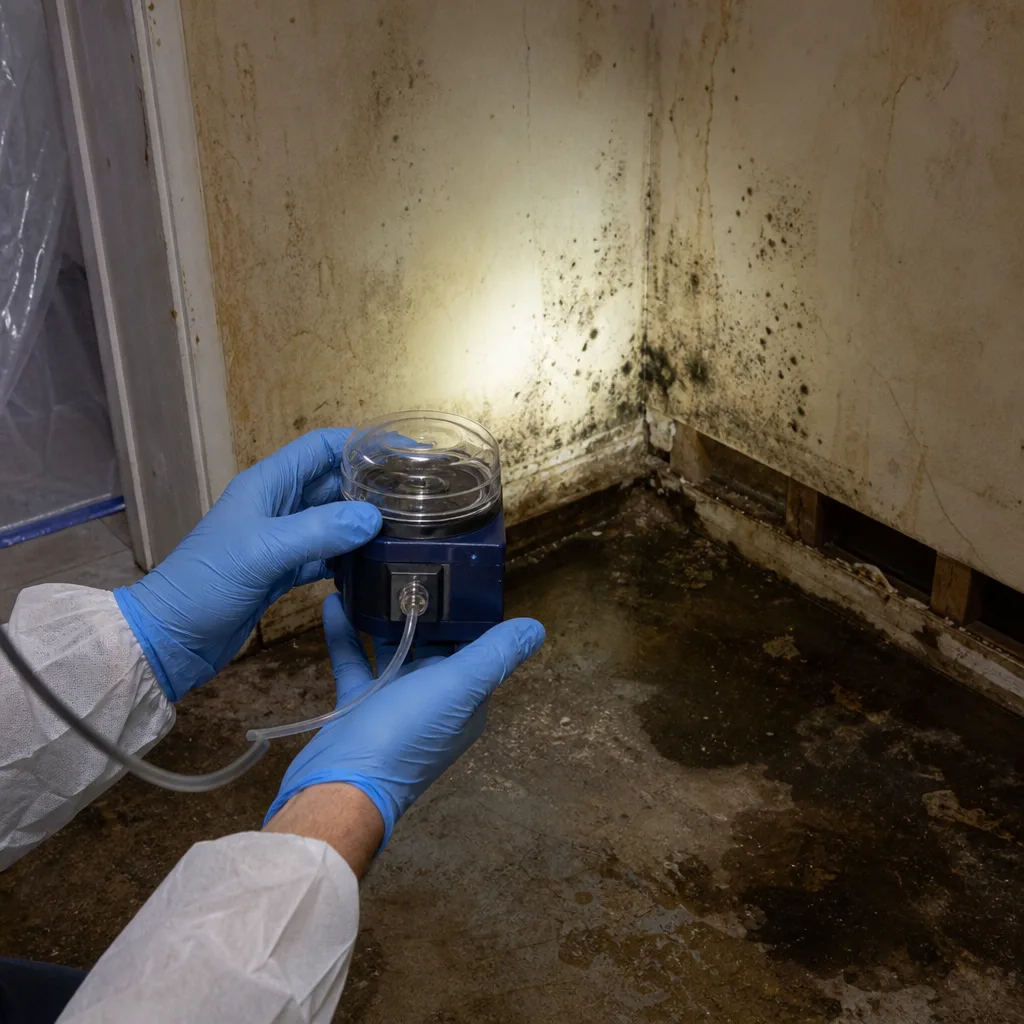
Permit issuance is only half the process. The inspection determines whether the work actually meets code. In Lakewood, Building and Safety inspectors conduct specific inspections based on permit type: framing inspection for structural repairs, rough and final electrical for electrical permits, rough and final plumbing for plumbing permits, and mechanical inspection for HVAC work.
Common first-time failures in restoration inspections:
- Framing: inadequate fasteners, incorrect joist hangers, or failure to protect treated lumber from ground contact in crawl space repairs
- Electrical: insufficient GFCI protection, failure to interconnect smoke detectors, or exposed wiring not properly secured
- Plumbing: inadequate support for horizontal piping, missing cleanouts, or failure to install water hammer arrestors on new supply lines
- Mechanical: ductwork not properly sealed to current SMACNA standards, or condensate lines lacking required trap and vent
Each failed inspection requires correction and re-inspection, typically adding 3-5 business days. Re-inspection fees apply in Lakewood after the first failure. The cost of poor first-time quality is not merely delay - it is the homeowner’s extended displacement, extended additional living expenses, and extended claim duration.
Our approach to first-time passage is preparation. Before calling for inspection, we review the approved scope against the actual work, photograph every element the inspector will examine, and correct deficiencies before the inspector arrives. This quality control step is built into our timeline, not treated as an afterthought. The result: our first-time pass rate exceeds 95% on permitted restoration work, and our average claim closure time meets or beats industry benchmarks despite the permit compliance requirement.
For homeowners, the practical implication is simple: ask any restoration contractor not merely whether they “can pull permits,” but what their first-time inspection pass rate is, and how they document inspection results. A contractor who treats permits as an obstacle will treat inspections as a gamble. A contractor who treats permits as documentation will treat inspections as verification - and will prepare accordingly.
Common Mistakes to Avoid
- Accepting “permit optional” advice for structural repairs. In California, structural permits are never optional. A contractor who suggests otherwise is either uninformed or avoiding accountability. The paper trail they avoid becomes your liability.
- Assuming the general contractor handles all trade permits. General restoration contractors often subcontract electrical, plumbing, and HVAC work. Verify that each subcontractor pulls and passes their own permits, or require the general contractor to document permit compliance for all trades.
- Failing to request permit records at job completion. The permit card with inspector sign-offs is your proof of code compliance. Request it before final payment, and file it with your insurance claim documentation and property records.
- Ignoring mold remediation notification requirements. Section 17920.3 notification is not a formality. It is a statutory requirement with disclosure implications. Ensure your contractor documents occupant notification and any clearance testing in writing.
- Permitting the restoration but not the reconstruction. Some homeowners permit the initial emergency repair but neglect permits for the subsequent reconstruction. If reconstruction includes structural, electrical, or plumbing work, it requires its own permits. The emergency permit does not cover reconstruction scope.
- Relying on verbal assurance that “it meets code.” Code compliance without inspection is unverified compliance. The inspection record is the only objective documentation that protects your claim and your property value.
When to Call a Professional
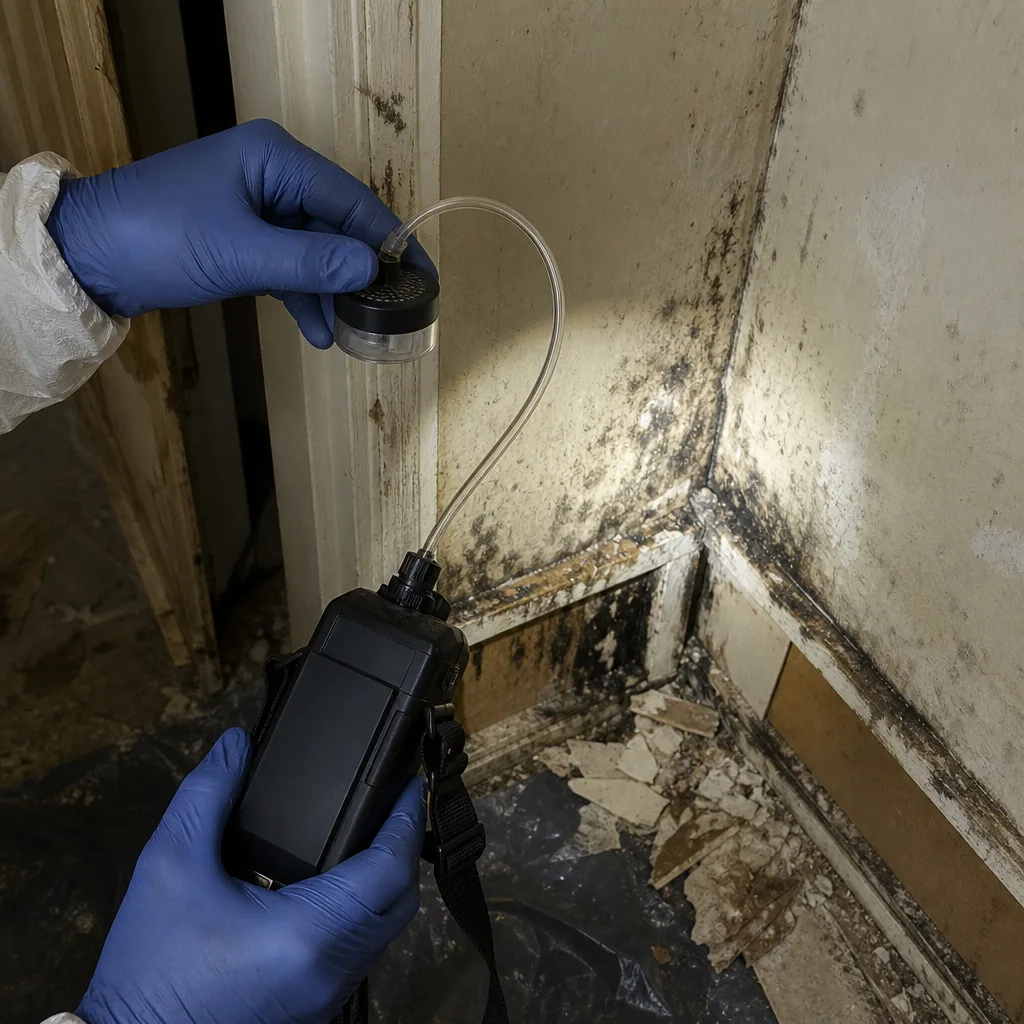
Call a restoration professional when any water, fire, mold, or storm damage affects structural elements, electrical or plumbing systems, or exceeds 10 square feet of mold growth. The permit requirements begin at the moment of damage, not at the moment of repair planning. Early professional assessment identifies permit triggers before work begins, preventing the costly discovery of unpermitted work mid-project or at point of sale.
DryMark Restoration Lakewood offers free estimates in Lakewood - call (562) 373-6757. Every estimate includes identification of permit requirements, line-item permit fees, and a written scope before any work begins under Haven Standard, Clause 1. We also provide a Free Second Opinion on any competitor’s written estimate, reviewing permit compliance and documentation adequacy at no charge.
Frequently Asked Questions
It depends on the scope. Replacement of less than 200 square feet in a single room, with no structural involvement and no electrical or plumbing work, typically does not require a permit. Exceed 200 square feet, touch a structural element, or include outlet or plumbing fixture replacement, and permits are required. Call (562) 373-6757 for a free scope review that identifies permit requirements before work begins.
Most standard homeowners policies cover reasonable permit fees as part of the repair cost, provided the permits are required by code and documented in the claim file. The key is documentation: the permit application, fee receipt, and inspection record must be included in the claim submission. We itemize permit fees in every written scope and provide complete documentation for adjuster review.
Emergency permits for active hazards can issue same-day if applied for before 2:00 PM. Standard permits require 5-10 business days for plan review. We build permit timelines into every written scope so homeowners understand the full project duration before work begins.
Unpermitted structural, electrical, or plumbing work constitutes a material defect under California Civil Code 1102, requiring disclosure. The buyer may demand price reduction, require permit retroactivity with associated costs, or cancel the transaction. The cost of retroactive permitting typically exceeds the original permit fee by 200-400% due to required exposure of concealed work for inspection.
Mold remediation does not require a building permit, but California Health and Safety Code Section 17920.3 requires specific containment, notification, and clearance protocols for mold exceeding 10 square feet. Documentation of compliance is mandatory and serves the same disclosure function as a building permit. Our mold remediation includes complete Section 17920.3 documentation as a standard deliverable.
California allows homeowners to pull permits for work on their own residence, but the permit holder becomes responsible for code compliance and inspection passage. Most restoration contractors prefer to pull permits themselves to maintain quality control and scheduling coordination. We include permit pulling in our standard scope, with all fees itemized in the written price.
The Bottom Line
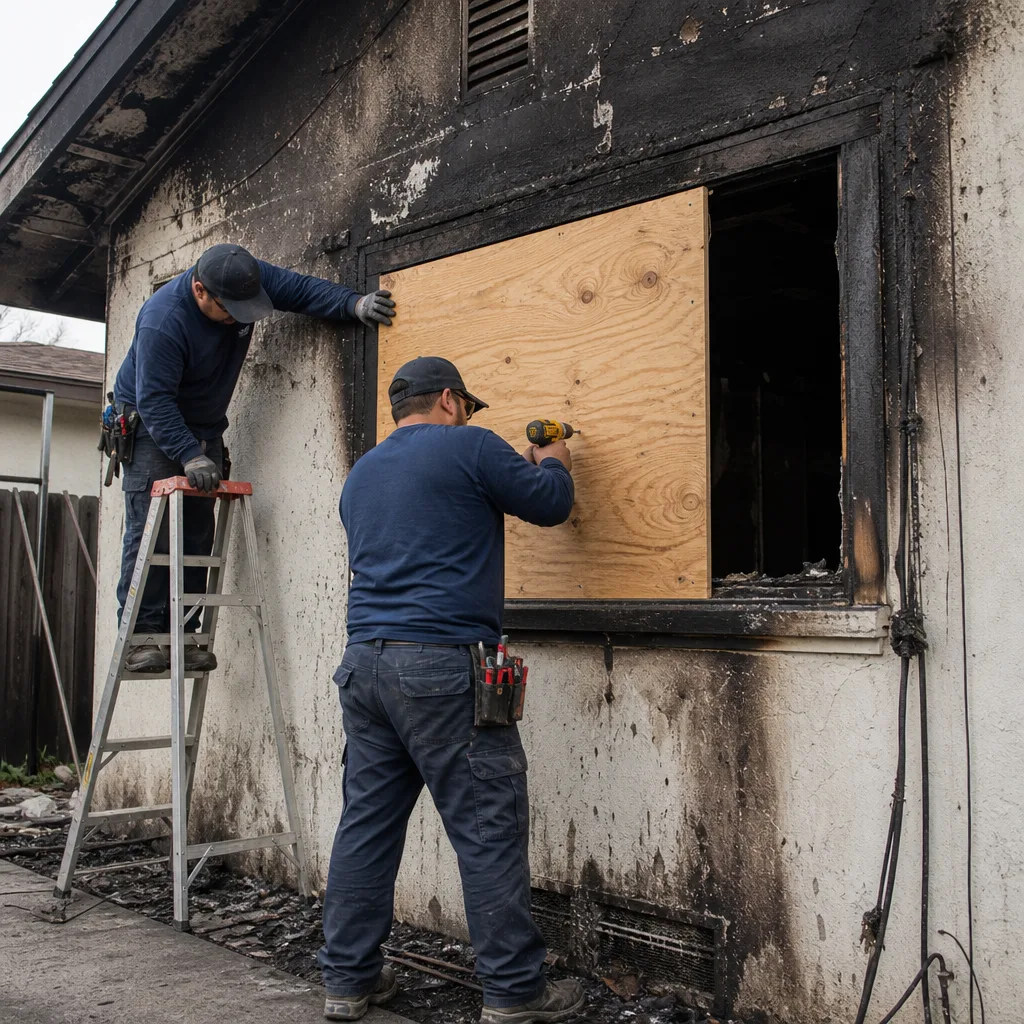
Permits are not obstacles to restoration. They are the documentation that transforms restoration work from a private transaction into a verifiable, insurable, sellable property improvement. In California’s regulated environment, and in Lakewood’s specific adoption of Title 24, the permit threshold is lower than most homeowners expect and the consequences of non-compliance are more severe than most contractors admit. The restoration company that documents permit compliance - that builds it into the written scope, photographs the inspections, and delivers the records - protects not merely the current claim but the homeowner’s future transaction and coverage. That documentation-first approach is the foundation of The Haven Standard, and it is the standard we apply to every job in Lakewood.
Written by Alicia Brennan, Owner at DryMark Restoration Lakewood, serving Lakewood since 2011.