
Last updated September 23, 2026
Free visual inspection and a written scope of work before any mitigation begins - photos, moisture readings, and drying logs go in your claim file
The scope we write is the scope we bill. Anything new gets shown to you, in writing, before we touch it.
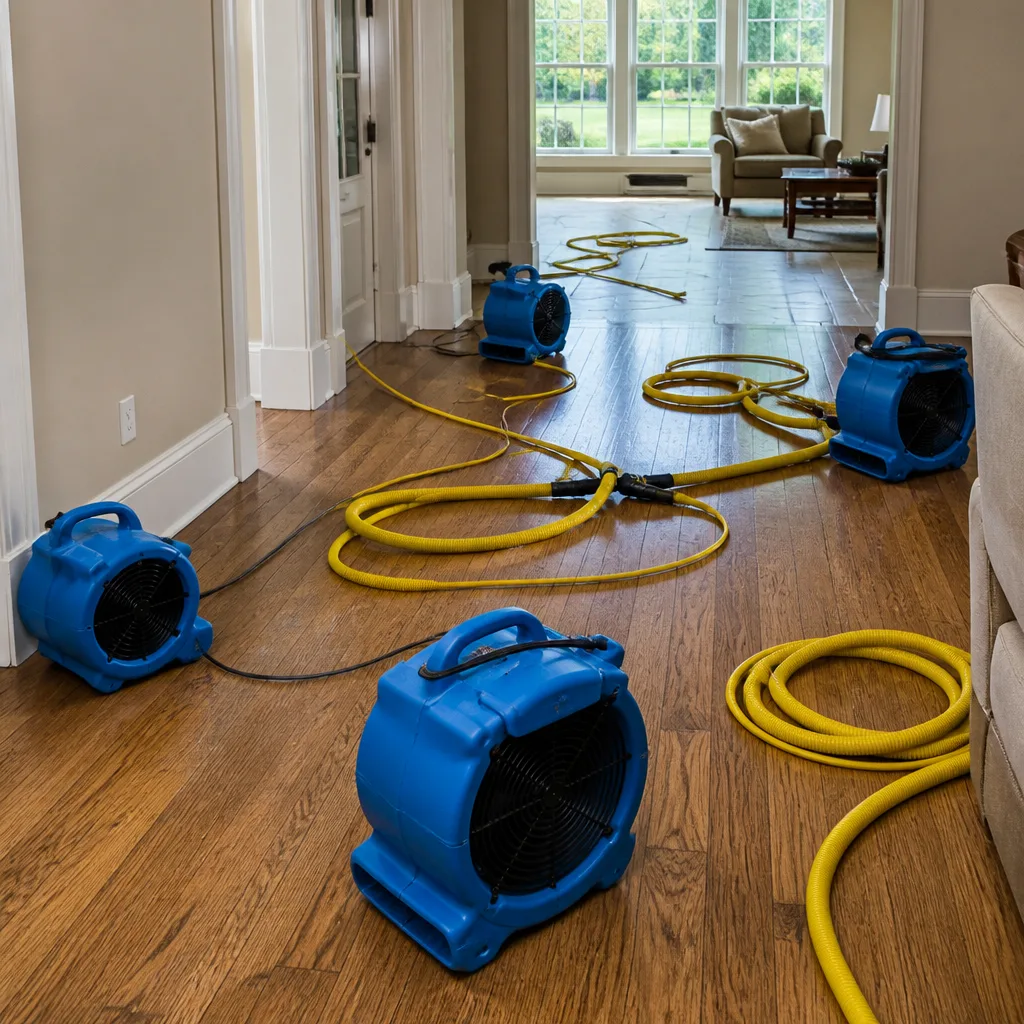
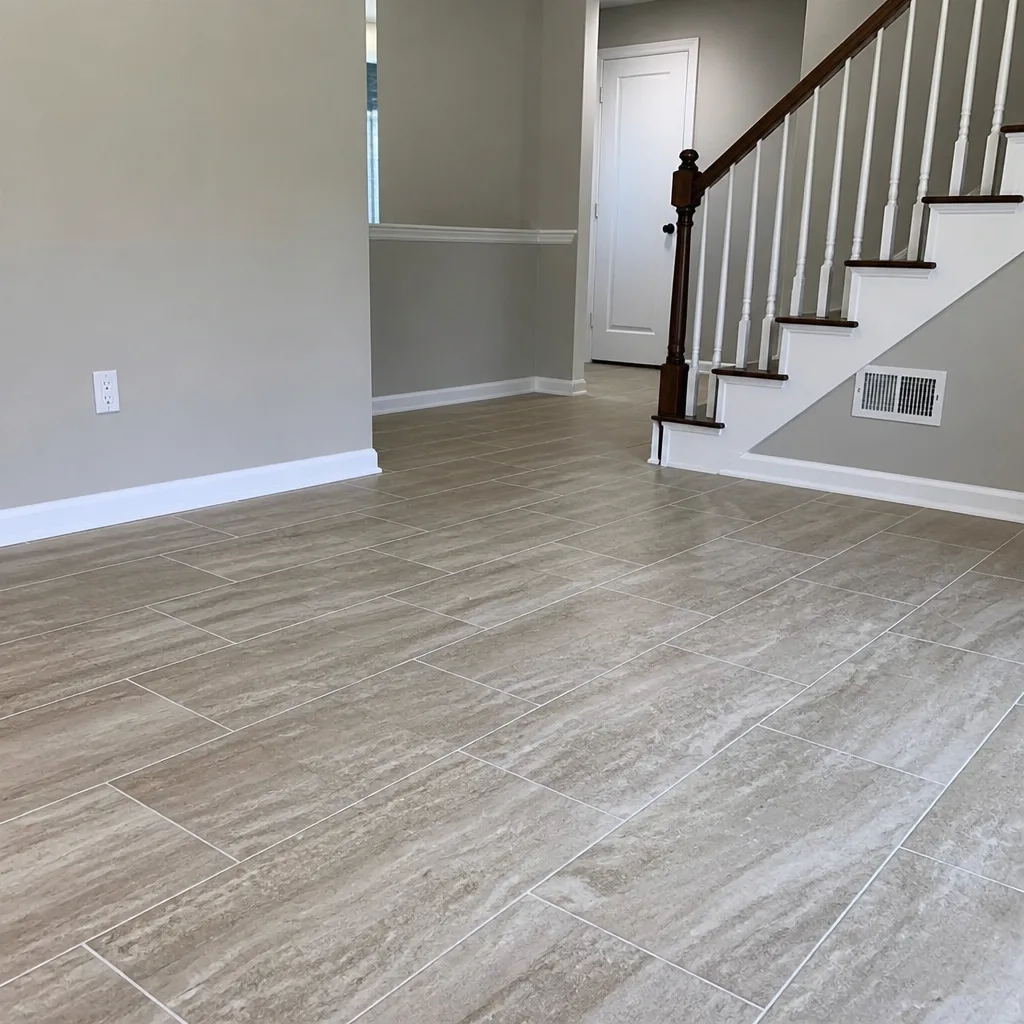
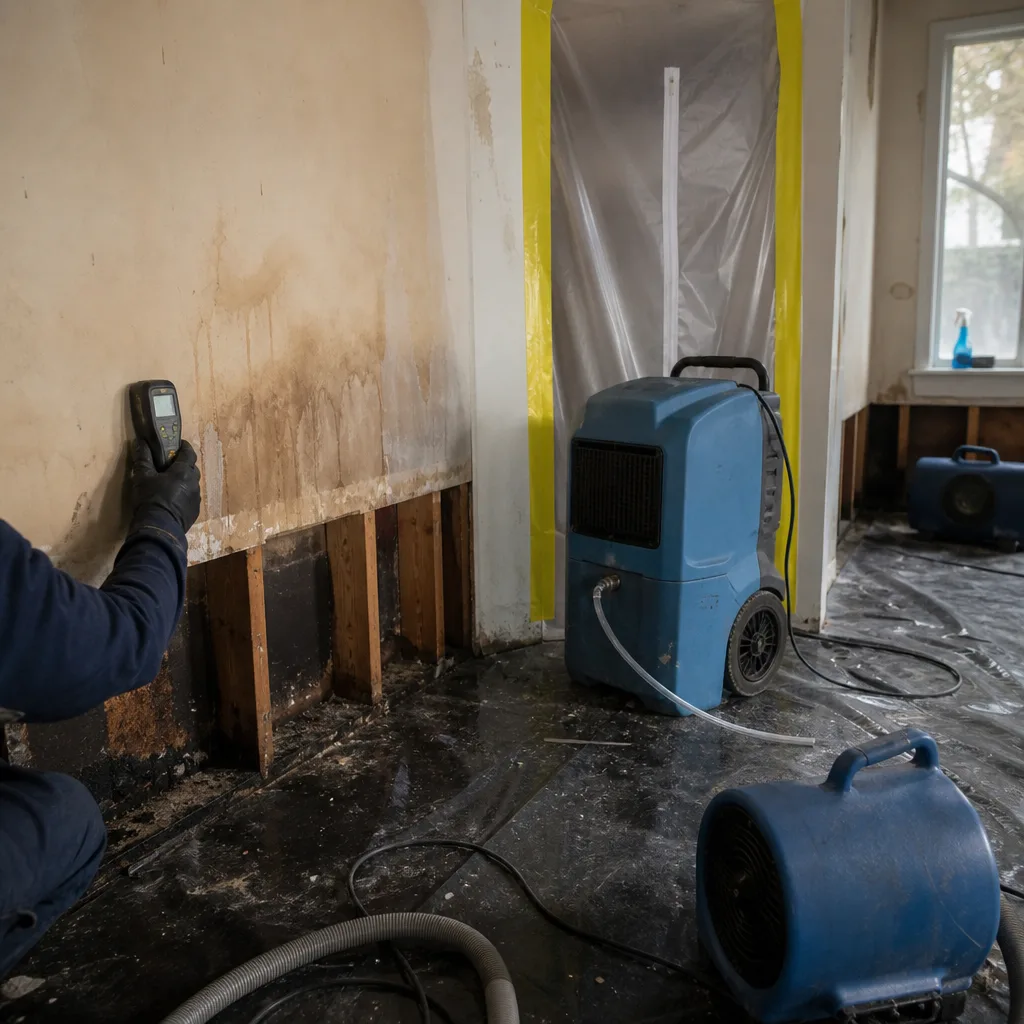 Before
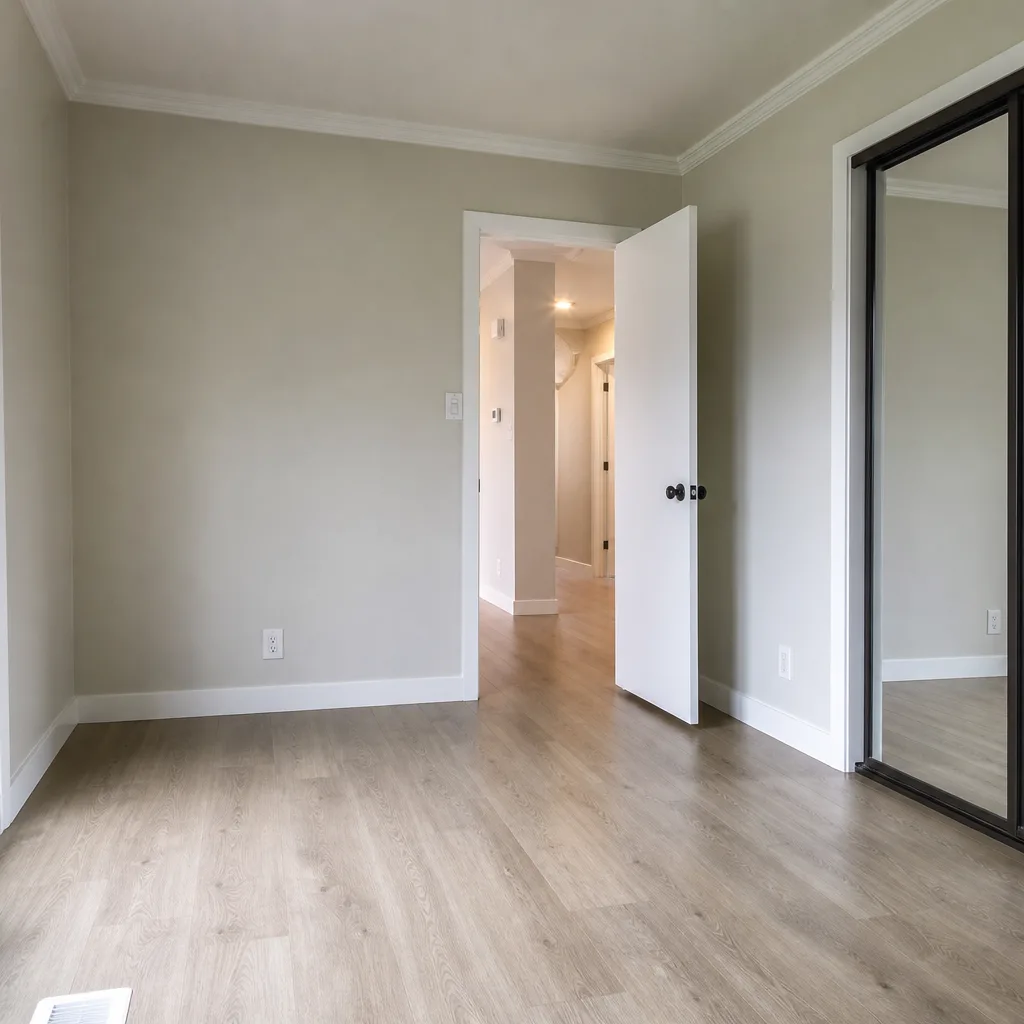 After
After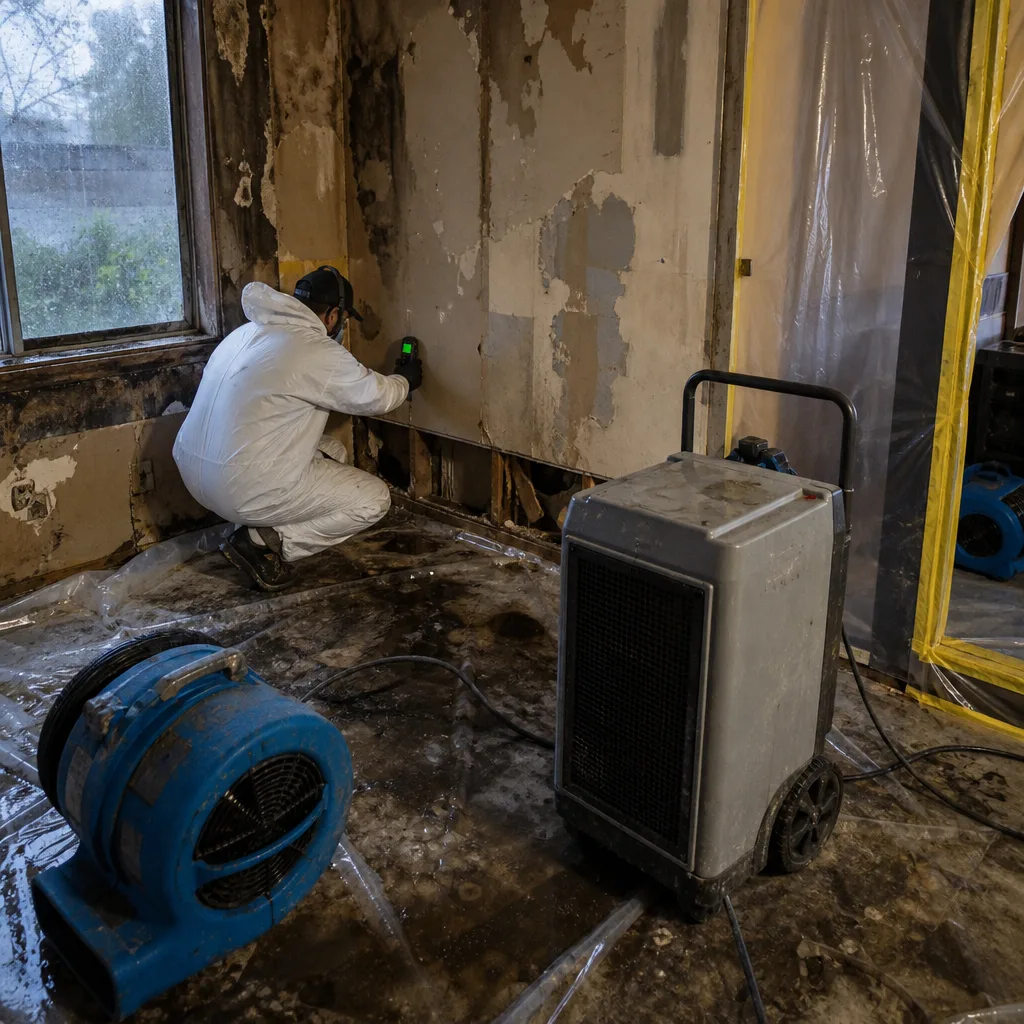 Before
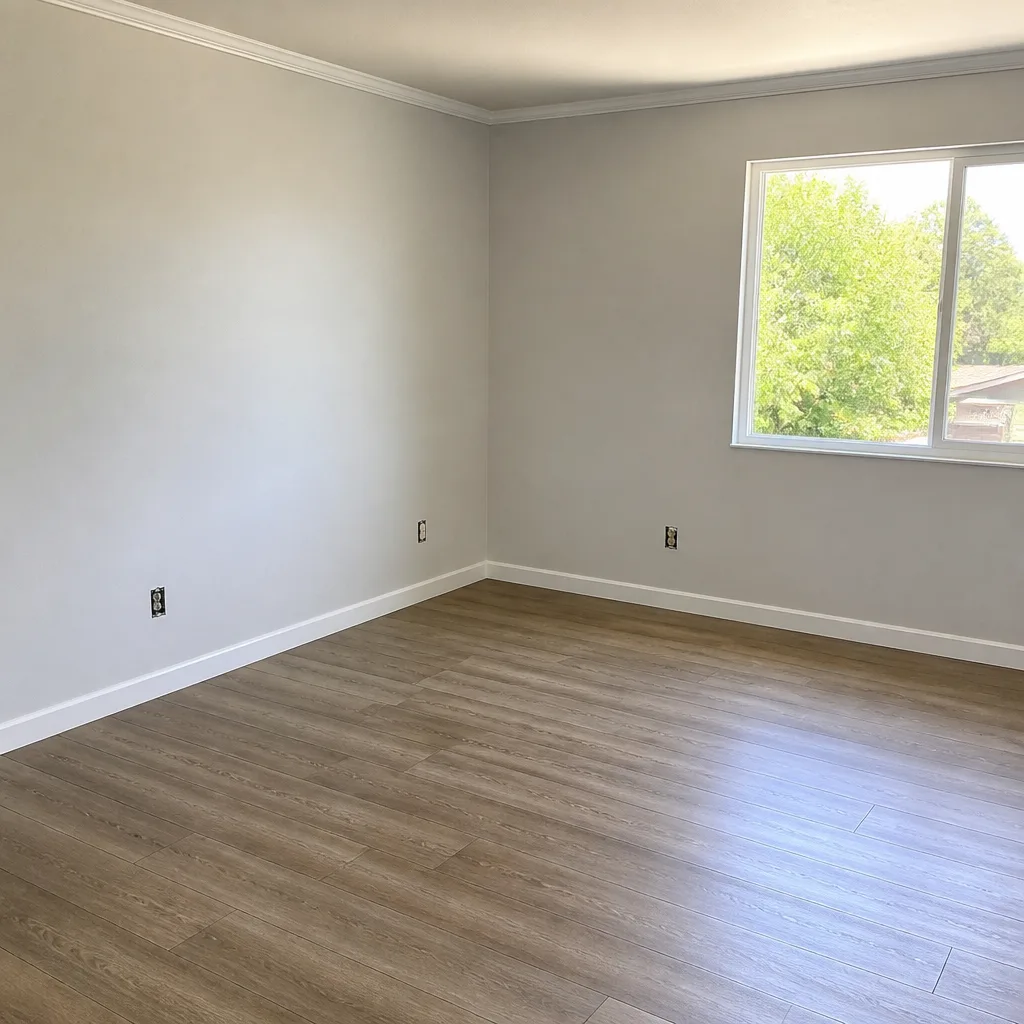 After
After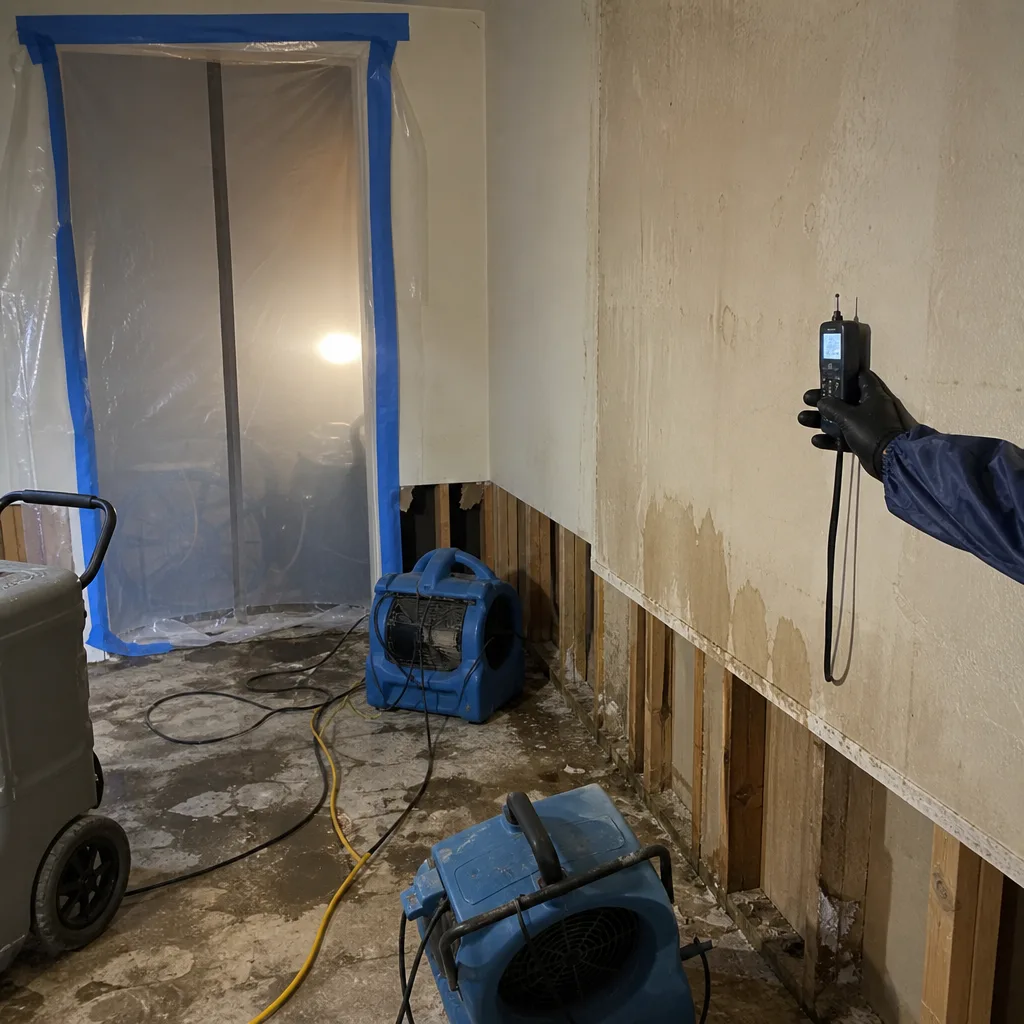 Before
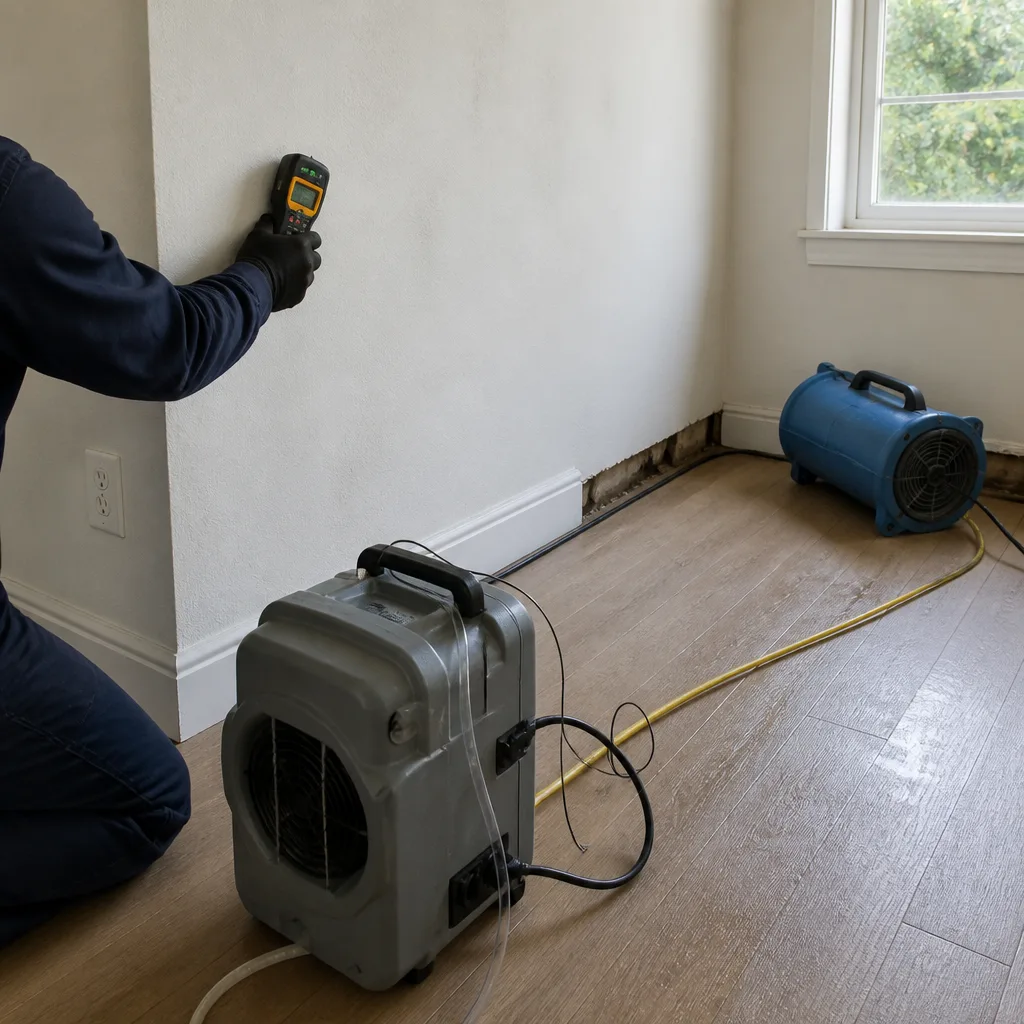 After
AfterDamage Restoration Cost Breakdown: The Lakewood Homeowner’s Reference for 2026
The most overbilled line item on California restoration invoices in 2024 was equipment rental - specifically dehumidifier day-counts that no drying log supports. We’ve reviewed competitor estimates in Lakewood where a single dehumidifier was billed for 14 days on a job that dried in 6, and the homeowner had no way to catch it because no one explained how to read the documentation. This guide decodes restoration pricing line by line, shows what each charge should be supported by, and gives you the specific benchmarks to verify whether your invoice matches your damage. For DIY vs Professional Damage Restoration: The Lakewood Homeowner’s Decision Guide context, see our companion resources. If you’re paying out of pocket or fighting an adjuster, the difference between a documented charge and an unsupported one is often thousands of dollars.
Quick Answer
Water damage restoration in Lakewood typically runs $3.50-$6.50 per square foot for Category 2 mitigation, mold remediation averages $15-$30 per linear foot of affected wall, and smoke cleaning runs $400-$800 per room depending on soot classification. Every legitimate charge should appear on a written scope before work starts and be supported by daily documentation - moisture logs, photo records, and equipment serial numbers - that you can reconcile against your final invoice.
Table of Contents
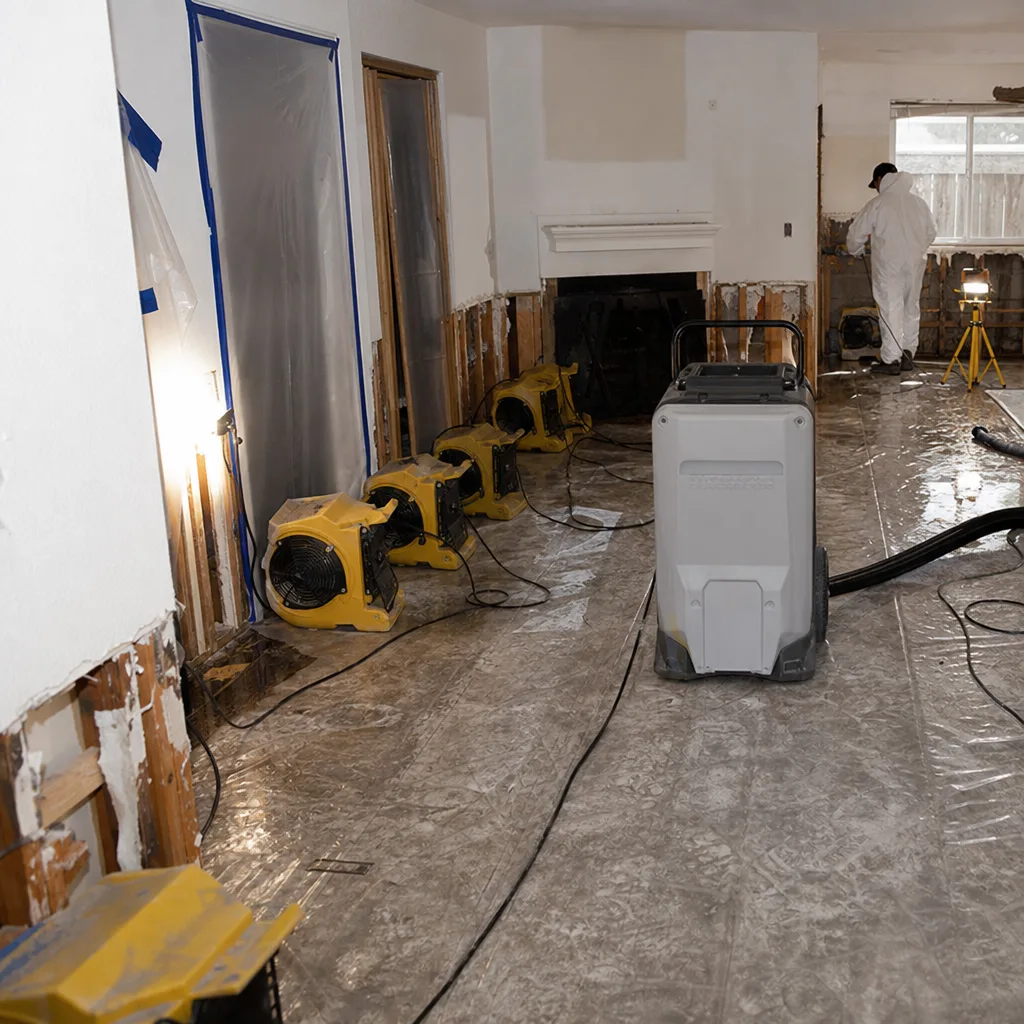
- How Xactimate Pricing Categories Actually Work
- 2026 Lakewood Cost Benchmarks by Damage Type
- Reading Equipment Rental Charges Against Drying Logs
- Contractor Invoice vs. Insurance Estimate: How Gaps Get Resolved
- What a Written Scope Must Include Before Work Starts
- Lakewood-Specific Factors That Move Pricing
- Common Mistakes to Avoid
- When to Call a Professional
- Frequently Asked Questions
 Before
 After
AfterHow Xactimate Pricing Categories Actually Work
Xactimate is the pricing engine that drives most restoration invoices in California, but the software organizes costs into three buckets that most homeowners never see separated clearly. Understanding these buckets matters because each one demands different documentation, and adjusters scrutinize each differently.
Mitigation covers emergency work to stop damage from spreading: water extraction, demolition of unsalvageable materials, drying, and initial sanitization. This is time-sensitive labor billed by the hour or by square foot, plus equipment rental by the day. Mitigation invoices require daily moisture readings, psychrometric data (temperature, relative humidity, and dew point recorded together), and photo documentation of each affected room. Without these, an adjuster can deny equipment days or dispute whether drying was complete when the crew packed up.
Reconstruction covers rebuilding what mitigation removed: drywall, flooring, paint, trim, cabinets. This is scoped like a remodeling job, with line items for each trade and material. Reconstruction does not use daily logs; instead, it requires a detailed written scope with measurements, material specifications by manufacturer and product line, and a fixed or not-to-exceed price. Haven Standard, Clause 1 applies here with full force: the written price must precede any work, because reconstruction has no emergency justification for verbal agreements.
Contents covers personal property: furniture, clothing, electronics, and specialty items like artwork or musical instruments. Contents pricing uses separate Xactimate tables and often involves third-party vendors. Documentation requires itemized inventories with photos, condition assessments, and cleaning or replacement recommendations. Many homeowners in Lakewood’s older neighborhoods near Lakewood Boulevard and Del Amo find their contents coverage limited by policy sub-limits they didn’t know existed.
The critical point: mitigation and reconstruction should never appear on the same invoice without clear separation. We’ve seen Lakewood homeowners charged reconstruction rates for mitigation work, or vice versa, because the contractor used a single blanket estimate. Each category demands its own documentation standard, and mixing them is a red flag for both adjusters and homeowner advocates.
Under The Haven Standard, we deliver three separate document packages: the mitigation file with daily drying logs and equipment serial numbers, the reconstruction scope with line-item pricing signed before work begins, and the contents inventory with photo condition reports. This separation is what turns a disputed invoice into a paid claim.
2026 Lakewood Cost Benchmarks by Damage Type
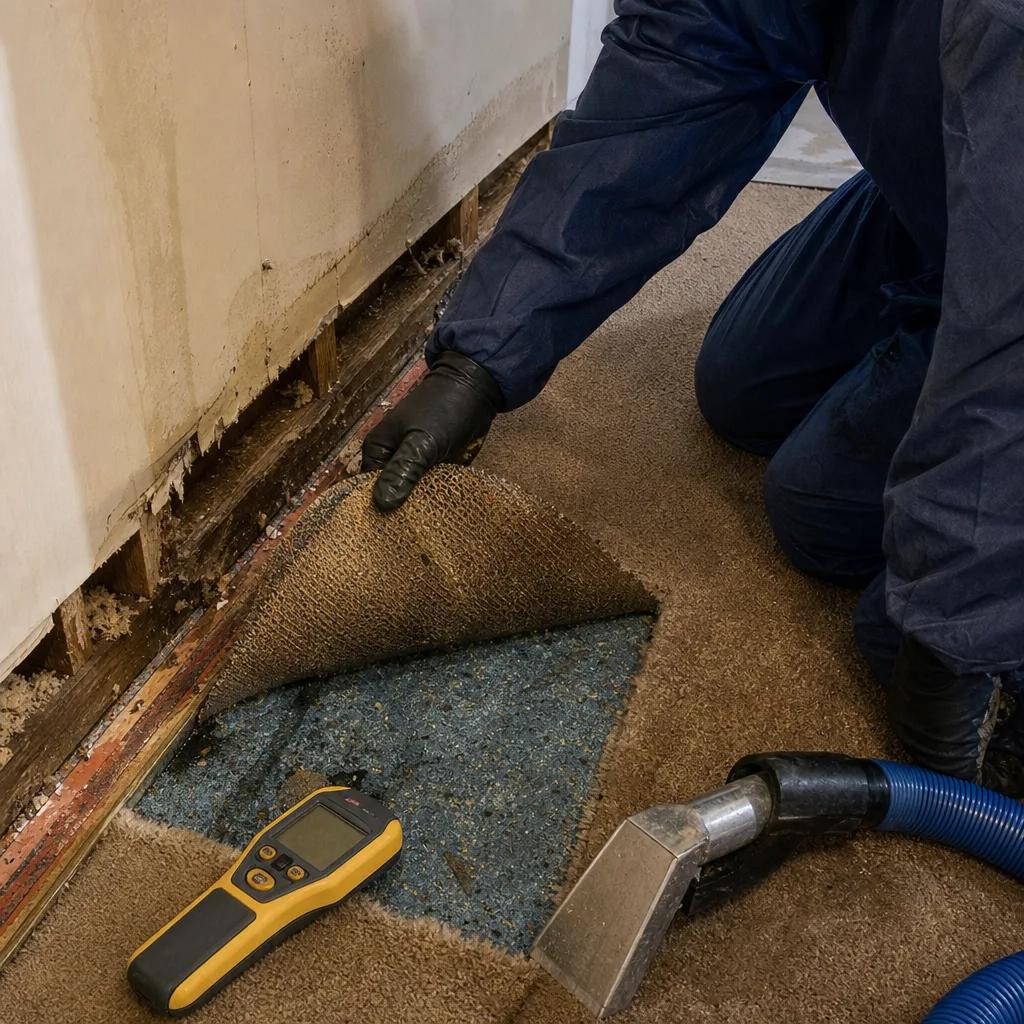
These figures reflect our experience pricing jobs across Lakewood, from the Mayfair Park area to the neighborhoods near Candlewood Country Club, adjusted for 2026 material costs and regional labor rates. They are ranges, not quotes. Your specific damage may fall above or below depending on access, contamination level, and structural complexity.
Water Damage Mitigation (Category 2 - gray water)
| Scope Element | Typical Range | What Drives the Price |
|---|---|---|
| Initial extraction and setup | $500-$1,200 | Volume of standing water, subfloor type, basement or crawlspace access |
| Drying per square foot | $3.50-$6.50 | Category of water, affected materials (drywall vs. plaster), dehumidifier capacity needed |
| Air mover rental per day | $25-$45 | Unit size (1/3 HP vs. 1/2 HP), brand (Phoenix and Dri-Eaz units command premium rates for documented performance) |
| Dehumidifier rental per day | $85-$150 | Capacity in pints per day, refrigerant vs. desiccant type, whether LGR (low-grain refrigerant) is required for tertiary drying |
| Injectidry hardwood floor drying system | $200-$350 setup + $75-$125/day | Floor area, plank thickness, whether tenting is required |
| Demolition and disposal | $1.50-$3.00/sq ft | Material type, asbestos or lead testing requirements, disposal fees at Los Angeles County facilities |
| Antimicrobial application | $0.50-$1.25/sq ft | Product specification, square footage, whether fogging or direct application |
Category 3 water - sewage or flooding from outside the building - adds 40-60% to these figures due to PPE requirements, specialized disposal, and more extensive antimicrobial protocols. Lakewood’s flat terrain and aging sewer infrastructure in neighborhoods near the San Gabriel River channel mean Category 3 losses are more common here than in hillside communities.
Mold Remediation
| Scope Element | Typical Range | What Drives the Price |
|---|---|---|
| Containment setup per room | $400-$800 | Polyethylene barrier extent, negative air machine sizing, door flap complexity |
| Remediation per linear foot of wall | $15-$30 | Mold species classification, substrate material (drywall vs. concrete), whether HEPA vacuuming or media blasting is required |
| Negative air machine rental per day | $125-$200 | CFM rating, HEPA filter specification, ducting length |
| Post-remediation verification | $300-$600 | Air sample count, laboratory turnaround, whether third-party mold assessor is required by California law |
California’s SB 655 requires disclosure of mold conditions in rental properties, and Lakewood’s 1950s-1970s housing stock - particularly the unventilated bathrooms in the original Lakewood Village tract homes - creates predictable moisture accumulation patterns. We regularly see secondary mold in ceiling cavities above original shower stalls where vapor barriers were never installed.
Fire and Smoke Damage Cleaning
| Scope Element | Typical Range | What Drives the Price |
|---|---|---|
| Structural cleaning per room | $400-$800 | Soot classification (dry vs. protein vs. wet smoke), surface porosity, whether ultrasonic cleaning is needed for fixtures |
| Ozone or hydroxyl treatment per day | $250-$450 | Space volume, contamination severity, whether occupants can vacate during treatment |
| HVAC duct cleaning | $600-$1,500 | System size, number of returns, whether smoke entered the plenum |
| Contents pack-out and cleaning | $75-$150 per box or item group | Item fragility, cleaning method (dry, wet, ultrasonic, specialized), storage duration |
Protein fires - common kitchen fires in Lakewood’s dense residential blocks - produce nearly invisible but deeply penetrating residue. The cleaning cost often surprises homeowners because the visible damage looks minimal. Documentation here requires pre-cleaning photos under specific lighting angles to show residue patterns that justify the scope.
Reading Equipment Rental Charges Against Drying Logs
Equipment rental is where restoration invoices most commonly inflate, and it’s where your documentation review pays the greatest return. Here’s how to reconcile charges line by line.
- Match serial numbers. Every dehumidifier, air mover, and negative air machine should have a unique serial number recorded on the drying log and again on the invoice. If your invoice lists “dehumidifier, 12 days” without a serial number, you cannot verify whether one unit sat for 12 days or three units sat for 4 days each. Both cost the same, but only one matches the equipment count in your home.
- Check daily readings against equipment days. A dehumidifier billed for 8 days should appear in 8 separate daily log entries, each with psychrometric data showing it was actively contributing to drying. If day 5 shows the unit was removed for a carpet cleaning and never returned, that day should not appear on the invoice. We see this error, or “convenience billing,” on roughly one in four competitor estimates we review during our Free Second Opinion service.
- Verify air mover count against square footage. IICRC S500 recommends one air mover per 50-70 square feet of affected wet area in the first 24 hours, adjusted downward as drying progresses. A 1,200 square foot affected area should not show 30 air movers on day 7. Tertiary drying - the final phase where materials approach equilibrium moisture content - typically reduces to one air mover per 200+ square feet. Your log should show this progression.
- Confirm dehumidifier capacity matches the load. A standard refrigerant dehumidifier removes 50-70 pints per day under optimal conditions. An LGR unit like the Phoenix 200 MAX or Dri-Eaz LGR 7000XLi pulls 130-170 pints in the same conditions. If your job required LGR performance for dense materials or high humidity - common in Lakewood during late summer when marine layer moisture lingers - the invoice should specify the unit model, not just “dehumidifier.”
- Calculate vapor pressure differential. This is the gap between the actual humidity in the air and the maximum humidity the air can hold at that temperature. Effective drying requires a positive differential that the dehumidifier maintains. Your daily log should show this calculation or the raw data to compute it. Without it, there’s no evidence the equipment was appropriately sized or positioned.
We document every piece of equipment with serial number, placement photo, and daily psychrometric reading. Our invoices show exactly when each unit was deployed, moved, and removed, with the drying log page reference for each entry. This is not extra service. It is standard documentation under The Haven Standard, and it is how we ensure our equipment charges survive adjuster review without dispute.
If you have a competitor’s invoice that lacks serial numbers or shows flat day-counts without daily log support, bring it to us. Our Free Second Opinion will identify specific line items that need documentation before you pay or submit to insurance.
Contractor Invoice vs. Insurance Estimate: How Gaps Get Resolved
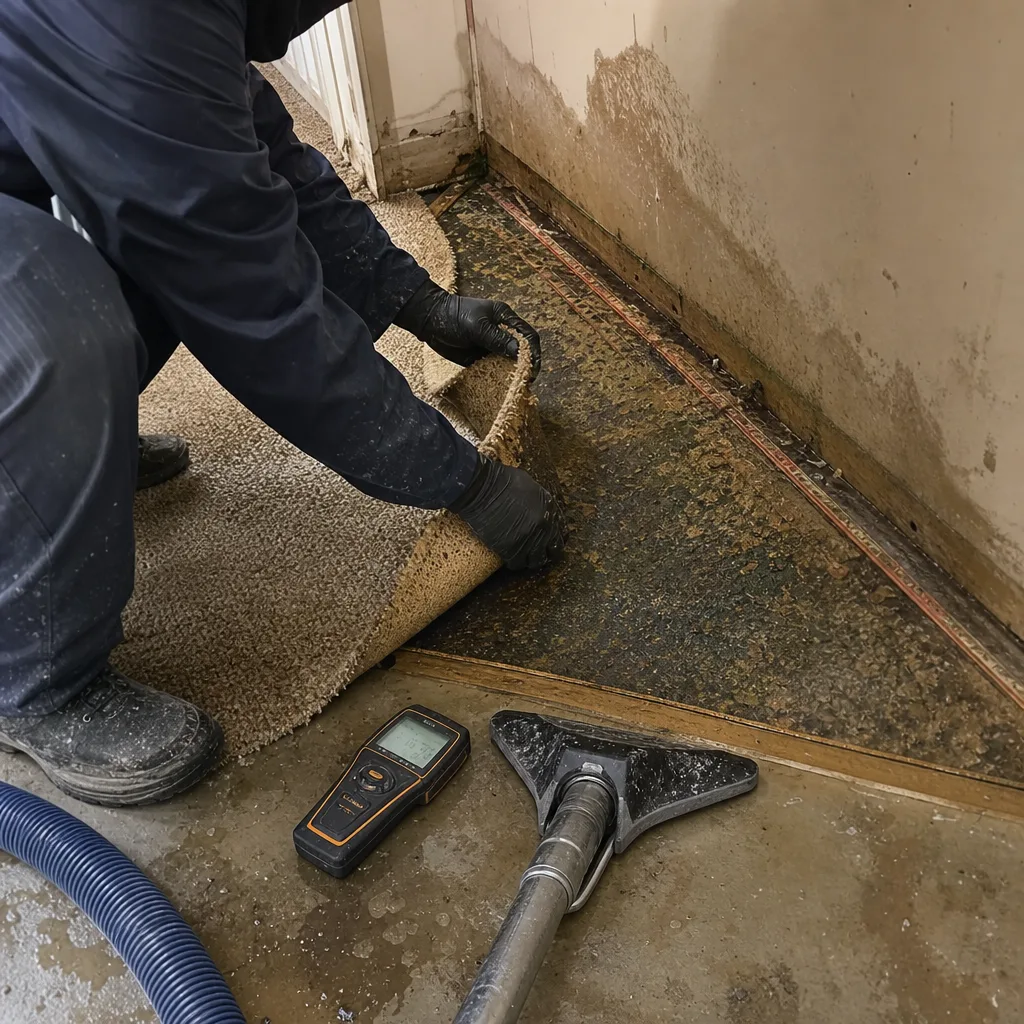
California homeowners often receive two documents that don’t match: the contractor’s invoice, which reflects actual work performed, and the insurance estimate, which reflects what the adjuster initially approved. The gap between them is where financial stress lives, and understanding the resolution mechanisms protects your credit and your home.
The insurance estimate is typically generated in Xactimate using sketch dimensions and photo documentation from the adjuster’s initial visit. It is a prediction. The contractor’s invoice reflects actual conditions discovered during work: additional water migration behind baseboards, mold in wall cavities, or structural damage hidden until demolition. Both can be accurate and still differ.
When the contractor’s invoice exceeds the insurance estimate, three paths exist in California:
- Supplemental claim: The contractor submits documentation - photos, moisture logs, written scope amendments - to the adjuster requesting additional funds. This is routine and successful when documentation is thorough. It fails when the contractor lacks daily logs or cannot show when hidden damage was discovered.
- Appraisal clause: If the insurer and contractor cannot agree on scope or price, either party can demand appraisal under most California policies. Each side selects an appraiser; if they disagree, an umpire decides. This process costs each party their appraiser’s fee plus half the umpire’s fee, typically $1,500-$4,000 total. It is not litigation, but it is binding. The quality of documentation determines the outcome more than advocacy.
- Direct payment by homeowner: If the gap is small or the homeowner needs work to proceed quickly, paying the difference and seeking reimbursement is sometimes the practical path. This should only follow a written acknowledgment from the insurer that the payment does not waive further claims.
The critical protection for Lakewood homeowners is documentation that timestamps discoveries. If we open a wall on day 2 and find Category 3 contamination that was not visible during the adjuster’s day 1 visit, our photo record with date stamp and moisture readings creates an unambiguous supplemental claim. Without that record, the insurer can argue the damage pre-existed the loss or was caused by contractor negligence.
We coordinate directly with adjusters during the job, not after, sending daily documentation that allows real-time scope adjustments. This reduces or eliminates invoice-estimate gaps before they become disputes. When gaps remain, our documentation package supports appraisal or litigation if necessary - though in 12,000+ jobs since 2011, appraisal has been rare because our documentation prevents the disagreement that triggers it.
What a Written Scope Must Include Before Work Starts
Haven Standard, Clause 1 requires a written price before any work begins. But what should that document actually contain to protect you from line-item disputes? Here’s the specific checklist we use on every Lakewood job, and what you should demand from any contractor.
- Property identification and loss date. Address, unit number if applicable, date of loss, and cause of loss per the initial assessment. This prevents confusion if multiple properties or claims are involved.
- Room-by-room affected area map. Square footage per room, affected materials identified by type and location, and moisture readings at time of assessment. In Lakewood’s slab-on-grade homes common south of Del Amo, this must specifically address whether water migrated under flooring into adjacent rooms through the concrete expansion joints.
- Category and classification of damage. Water damage category (1, 2, or 3), mold contamination area in square feet or linear feet, smoke damage classification by room. These classifications drive pricing tables and regulatory requirements.
- Equipment list with model numbers and deployment plan. Specific units planned, their capacities, and initial placement locations. This is not a commitment to exact counts - drying is dynamic - but it establishes the baseline against which changes are documented.
- Labor hours by task with rates. Extraction, demolition, cleaning, monitoring - each broken out with hourly rate and estimated hours. This prevents “lump sum” ambiguity.
- Material specifications with manufacturer and product line. Not “paint” but “Kelly-Moore DuraPoxy Eggshell, SW7005.” Not “drywall” but “5/8″ Type X, USG Sheetrock Brand.” Specificity prevents substitution disputes and ensures matching with undamaged areas.
- Not-to-exceed or fixed price designation. Whether the price is guaranteed or subject to change upon discovery, and under what conditions changes are authorized. Our standard is fixed price for reconstruction, not-to-exceed for mitigation with written authorization required for any overrun.
- Documentation deliverables specified. Daily drying logs, photo record frequency, final moisture verification method, warranty terms. This makes documentation a contractual obligation, not a courtesy.
- Payment terms and insurance coordination. Deposits if any, progress payment triggers, direct insurance billing arrangements, and homeowner responsibilities for deductible or coverage gaps.
- Signature blocks with date. Both contractor representative and homeowner, with copies provided to both before work commences.
A scope missing any of these elements creates ambiguity that contractors can exploit and adjusters can deny. We have reviewed competitor scopes in Lakewood that lacked equipment specifications, used lump-sum labor, or omitted documentation deliverables entirely. These are not oversights. They are structural weaknesses that shift risk to the homeowner.
Our scopes are generated from on-site assessment, not remote estimation, because Lakewood’s housing variations - from 1940s duplexes near Long Beach Boulevard to 1990s subdivisions near Palms Park - require physical inspection to price accurately. The written price you receive reflects what we found, not what we guessed.
Lakewood-Specific Factors That Move Pricing
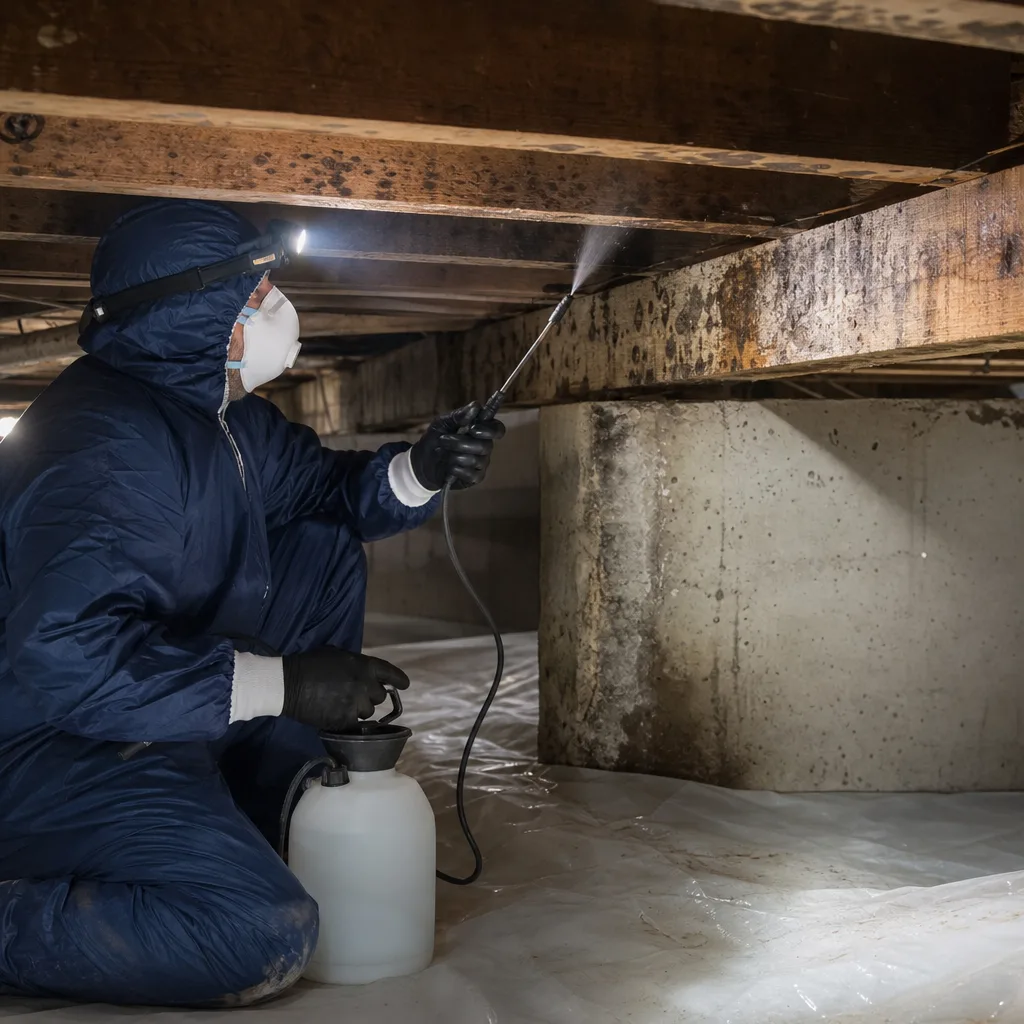
Restoration costs are not uniform across markets. Lakewood’s particular conditions create predictable pricing variations that homeowners should anticipate.
Soil and drainage. Lakewood sits on the coastal plain with clay-heavy soils that drain slowly. Properties without proper grading, particularly in the older neighborhoods east of Lakewood Boulevard, experience slower subsurface drying after exterior flooding. This extends dehumidifier rental days and may require specialized subsurface extraction equipment.
Housing age and materials. The original 1950s Lakewood Village homes used plaster and lath in original construction, with drywall added in later renovations. Plaster requires longer drying times and different equipment configurations than standard drywall. Many bathrooms still contain original tile-on-mortar shower surrounds that trap moisture in wall cavities. Identifying these materials during assessment prevents under-scoped drying plans.
Permit and code requirements. The City of Lakewood requires permits for reconstruction involving structural, electrical, or plumbing work. Reconstruction scopes must include permit fees and inspection scheduling. Unpermitted work discovered during sale or refinance becomes the homeowner’s liability. Our reconstruction scopes specify permit requirements and include City of Lakewood permit fees as line items. See Damage Restoration Permits, Codes & Inspections in CA: What You Need to Know for full regulatory detail.
Insurance market conditions. California’s homeowners insurance market has tightened significantly, with several major carriers reducing coverage or exiting the state. Lakewood homeowners are increasingly finding themselves with higher deductibles, lower sub-limits on water damage, or actual cash value rather than replacement cost policies. These coverage gaps directly affect out-of-pocket costs regardless of the contractor’s invoice. We review policy declarations with homeowners during our assessment to identify coverage constraints before work begins.
Seasonal humidity patterns. Lakewood’s marine layer influence means summer mornings often start at 80%+ relative humidity even without active water damage. This slows natural evaporation and extends mechanical drying requirements. Jobs starting in July or August typically require 15-25% more equipment days than identical damage in October or November.
Common Mistakes to Avoid
- Accepting a verbal estimate for emergency work. The pressure to start immediately is real, but Haven Standard, Clause 1 exists because verbal pricing inevitably drifts. Get the written scope, even if it delays start by two hours. Water that has been standing for six hours will not meaningfully worsen in two more; your documentation protection will last the entire claim.
- Paying the deductible upfront to the contractor. Some Lakewood contractors request deductible payment before insurance funds release. This is not illegal but creates leverage imbalance. Pay only per the written payment terms, and never in cash without receipt.
- Failing to photograph pre-existing conditions. Before any contractor touches your property, photograph every room, every wall, every floor. Insurance disputes often center on whether damage was pre-existing. Your dated photos are your first line of defense.
- Ignoring equipment serial numbers on the invoice. This seems technical, but it’s the single most common overbilling vector. If your invoice shows 14 dehumidifier days and your drying log shows 9, that’s $450-$900 in dispute on one line item alone.
- Signing a release without reviewing the documentation package. Some contractors present a “completion certificate” that includes release language. Do not sign until you have received the complete documentation: all drying logs, all photos, the final moisture verification, and the warranty document. These are your records for future sale, refinance, or claim disputes.
- Assuming insurance covers all mold remediation. Many California policies now exclude mold unless it results from a covered water loss, and even then sub-limit coverage to $5,000 or $10,000. A full bathroom gut and rebuild with mold remediation can exceed $15,000. Verify coverage before authorizing scope expansion.
When to Call a Professional
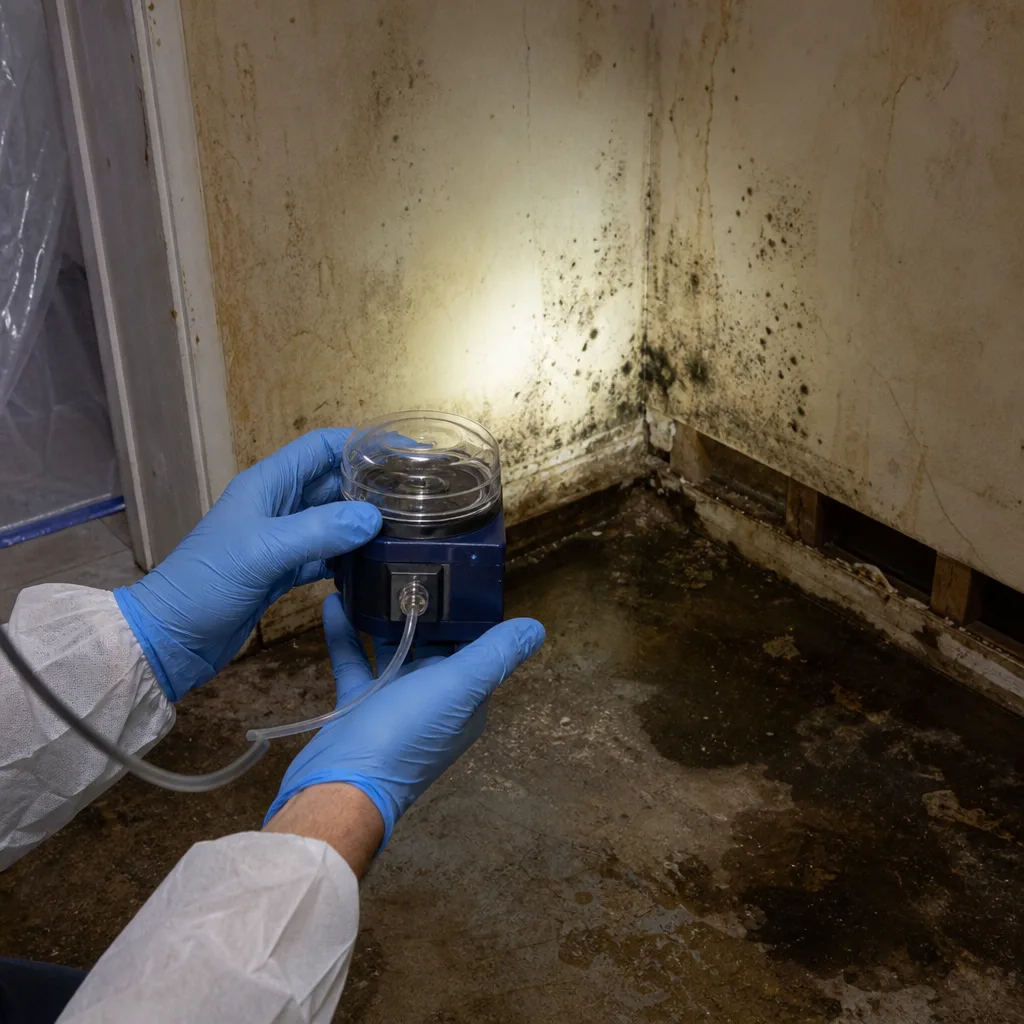
Call immediately when water is actively spreading, when you smell mold but cannot locate the source, when soot or smoke residue is visible on multiple surfaces, or when sewage or exterior flooding is involved. These situations compound quickly and carry health risks that DIY efforts worsen.
For contained, stable situations - a single wet drywall patch with no visible mold, a small isolated stain with no odor - documentation and monitoring may suffice until professional assessment. But if you’re unsure of the water category, if the damage extends beyond one room, or if your insurance policy has a reporting deadline (many require notification within 72 hours), professional assessment protects your coverage.
Water Damage Restoration in Lakewood requires specific documentation to satisfy insurer requirements. Mold Remediation in Lakewood is regulated by California’s mold disclosure laws and may require third-party verification. Fire & Smoke Damage Restoration in Lakewood demands soot classification that determines cleaning method and cost. In each case, the documentation standard determines whether your claim is paid without dispute.
DryMark Restoration Lakewood offers free estimates in Lakewood - call (562) 373-6757. Every estimate includes a written scope, and our Free Second Opinion service reviews competitor estimates at no charge.
Frequently Asked Questions
Category 2 water damage mitigation in Lakewood typically costs $3.50-$6.50 per square foot, with Category 3 sewage or flooding losses running 40-60% higher due to specialized disposal and antimicrobial protocols. These figures cover extraction, drying equipment, and initial sanitization only; reconstruction is priced separately. Call (562) 373-6757 for an exact quote - estimates are free.
Most Lakewood homeowners policies cover sudden and accidental water damage, but coverage varies by cause, policy year, and recent amendments. Gradual leaks are often excluded; mold may be sub-limited. We review your declarations page during our assessment to identify coverage constraints and coordinate directly with your adjuster to document covered scope. Bring your policy documents to our estimate appointment.
Our live dispatch answers every call 24 hours a day, 7 days a week with no voicemail trees. For active water losses in Lakewood, we typically deploy within 60-90 minutes during normal demand periods. Response time does not affect pricing; our written scope specifies costs before work begins regardless of arrival time. Call (562) 373-6757 to reach live dispatch now.
California law distinguishes between mold remediation (containment, removal, and verification) and surface cleaning. Remediation is required when mold exceeds 10 square feet of visible growth, involves HVAC systems, or occurs in occupied spaces with sensitive individuals. Surface cleaning suffices only for minor, isolated growth on non-porous materials with confirmed moisture source elimination. We test and document the classification so you don’t pay remediation rates for a cleaning job.
Both. You retain all policyholder rights and must authorize any scope changes. We handle documentation submission, supplemental claim preparation, and direct adjuster communication as your contractor, but major coverage decisions require your involvement. Our documentation package is designed so you can review and approve every communication before it goes to insurance. This division protects you from both claim denial and unauthorized scope expansion.
Request the complete documentation package first: daily drying logs with equipment serial numbers, photo records with timestamps, and any scope change authorizations. Compare equipment day counts against log entries. If gaps exist, request written explanation. If the contractor cannot provide documentation, dispute the unsupported charges. Our Free Second Opinion service reviews competitor estimates at no charge - bring your invoice and we’ll identify specific line items needing support.
The Bottom Line
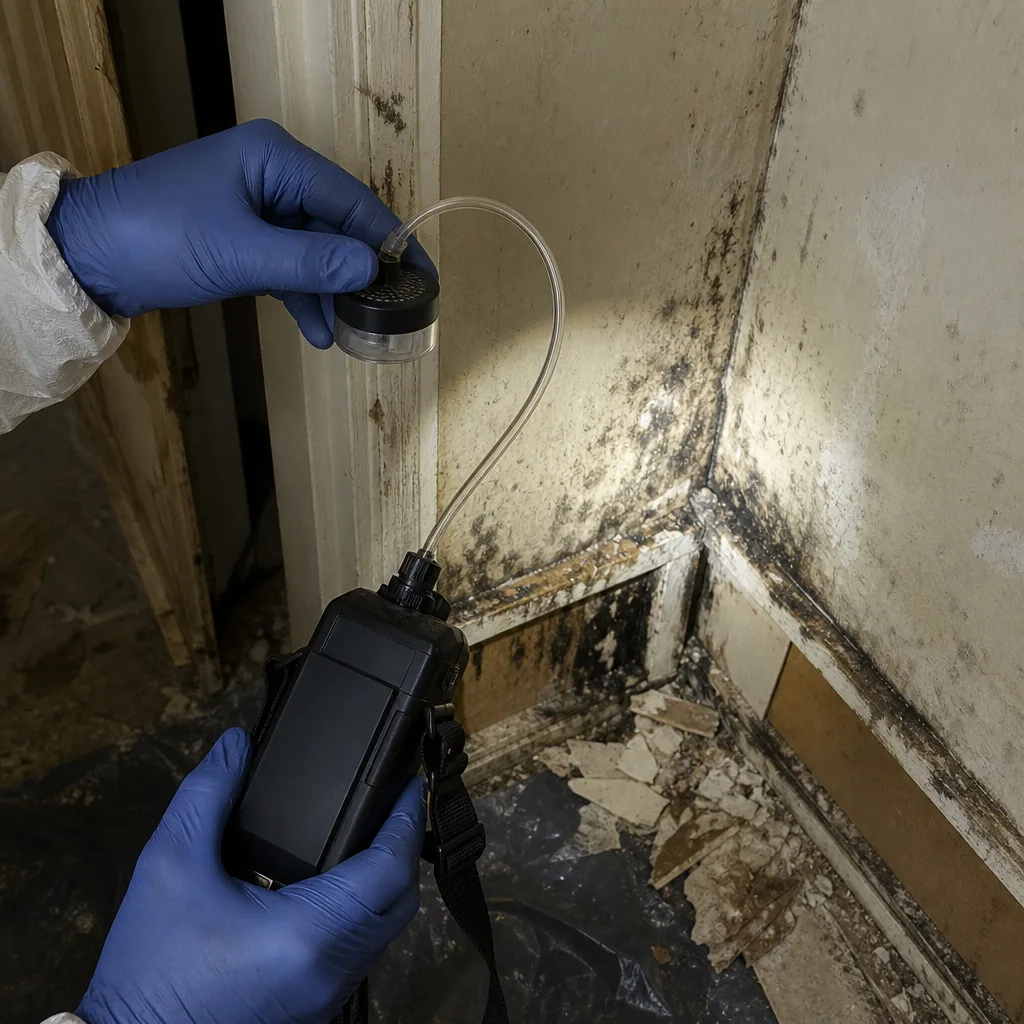
Restoration pricing is readable. Every charge should trace to a documented fact: a moisture reading, a photo, a serial number, a signed scope amendment. The homeowner who demands this documentation before work starts and reconciles it against the final invoice protects thousands of dollars in claim value. Explore more guides & resources to strengthen your position in every restoration transaction. The homeowner who accepts verbal estimates and lump-sum invoices accepts risk that insurance adjusters, and unscrupulous contractors, will exploit.
In Lakewood’s market, where housing values and insurance complexity have both risen sharply, documentation is not a contractor courtesy. It is the structural element that determines whether your restoration is a settled claim or a financial dispute. We built Back to Dry Restoration, and The Haven Standard that governs it, around this single observation: the documentation gap costs homeowners their claims, and closing that gap is a contractor’s primary job.
Written by Alicia Brennan, Owner at DryMark Restoration Lakewood, serving Lakewood since 2011.