
Last updated September 23, 2026
Free visual inspection and a written scope of work before any mitigation begins - photos, moisture readings, and drying logs go in your claim file
The scope we write is the scope we bill. Anything new gets shown to you, in writing, before we touch it.
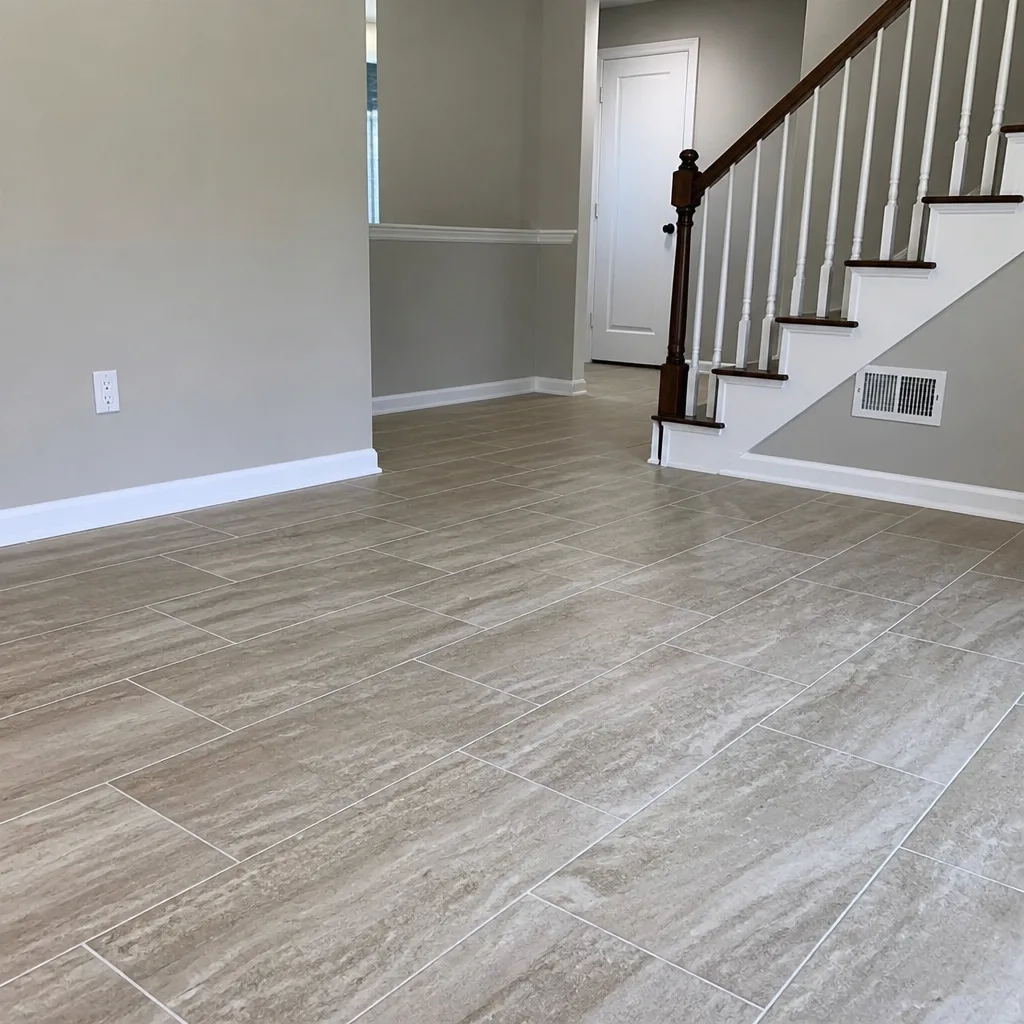
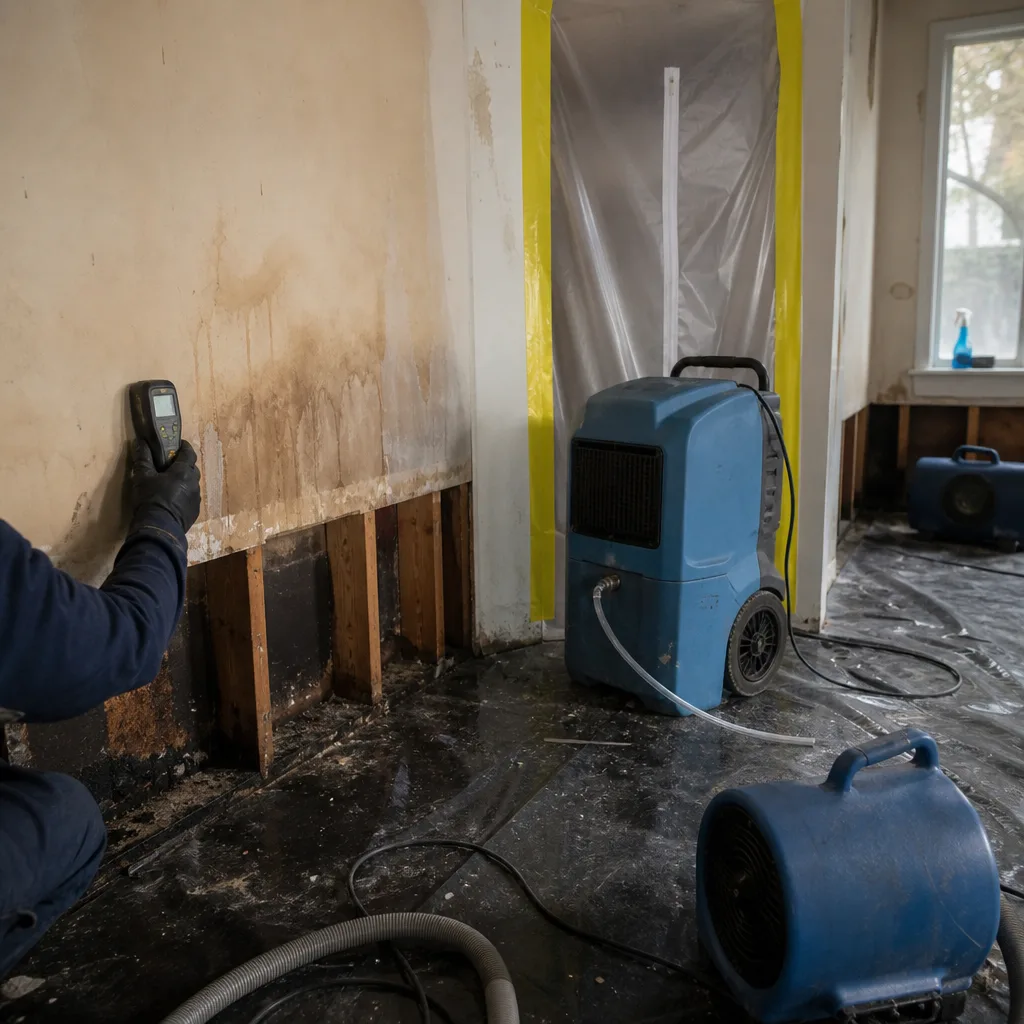 Before
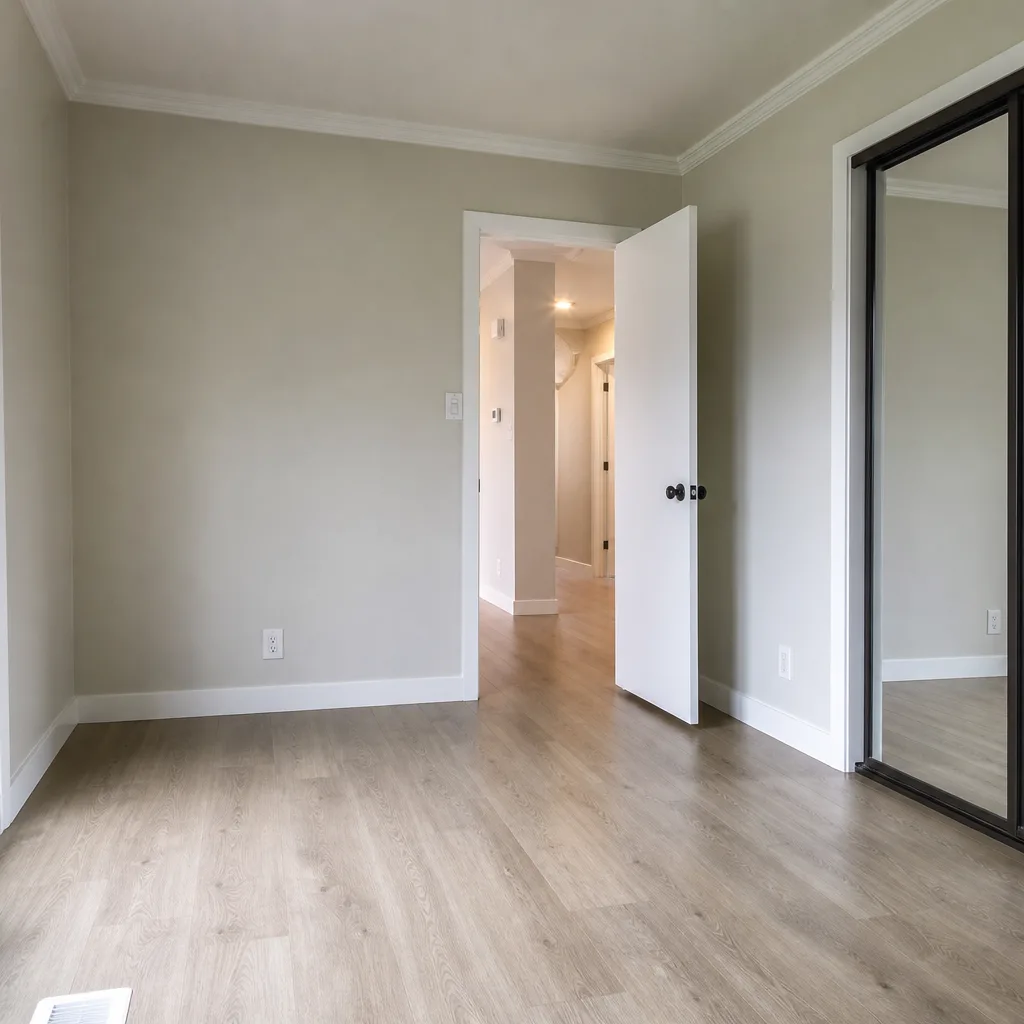 After
After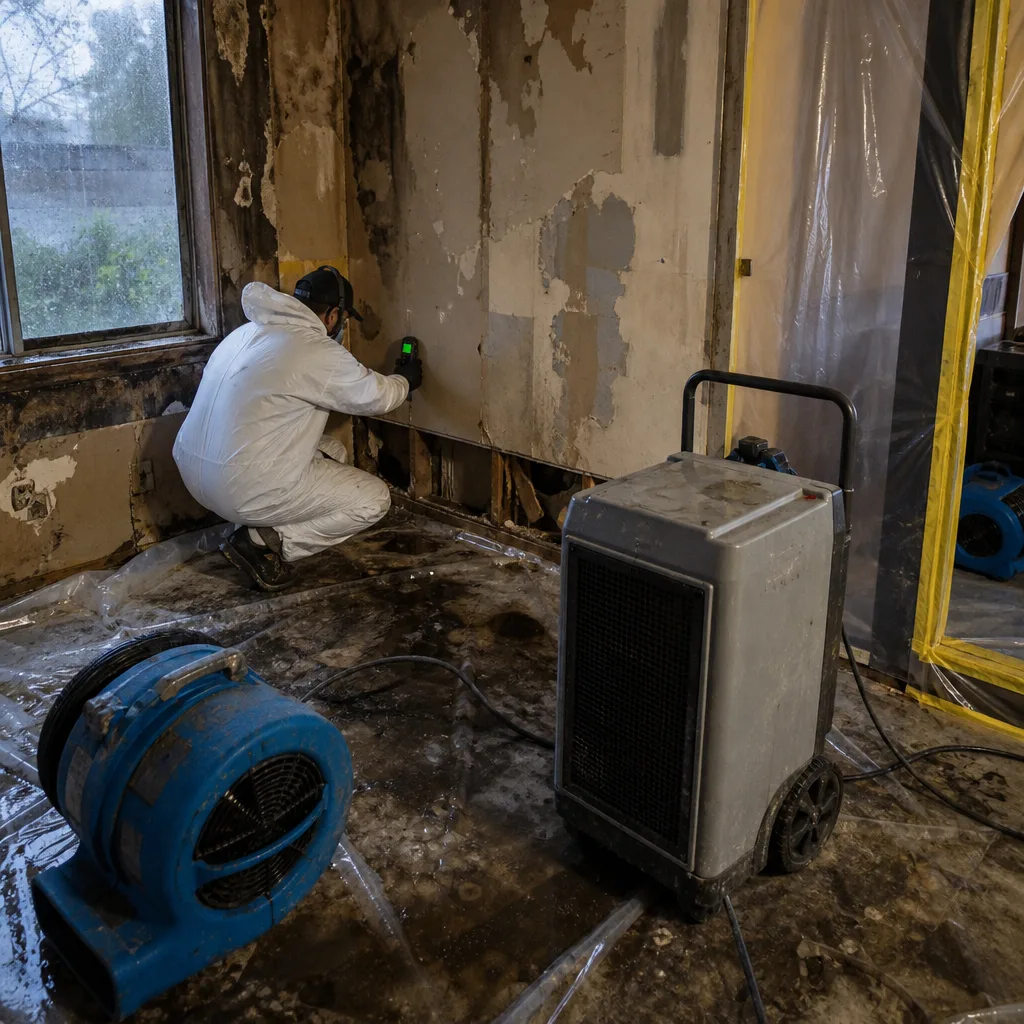 Before
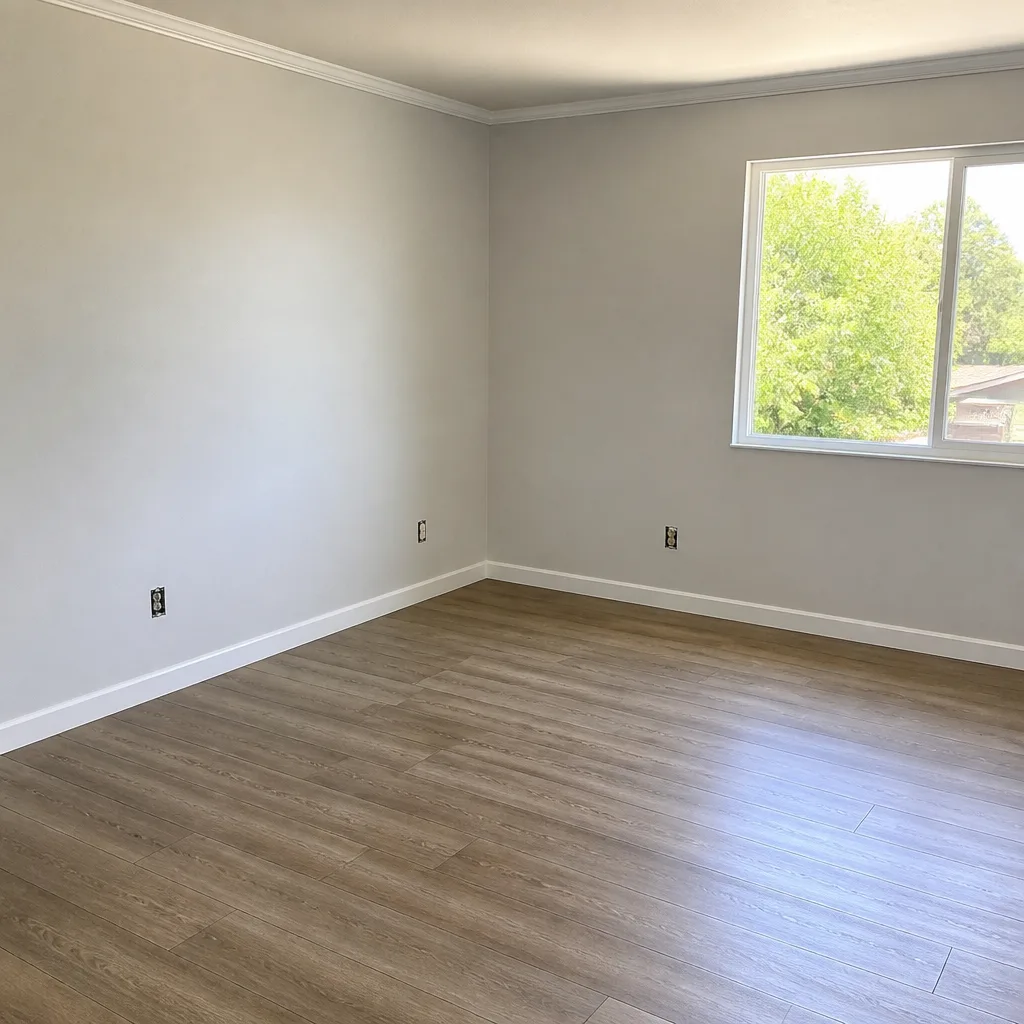 After
After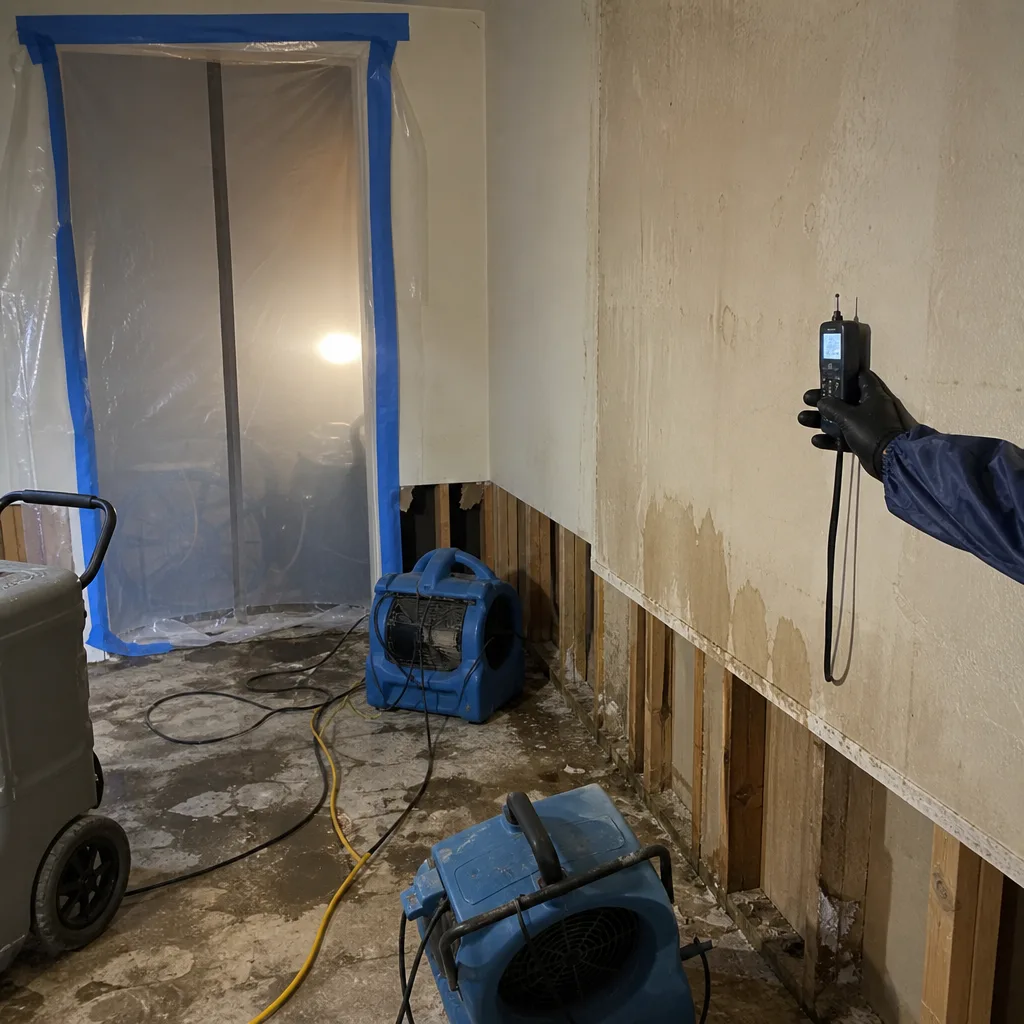 Before
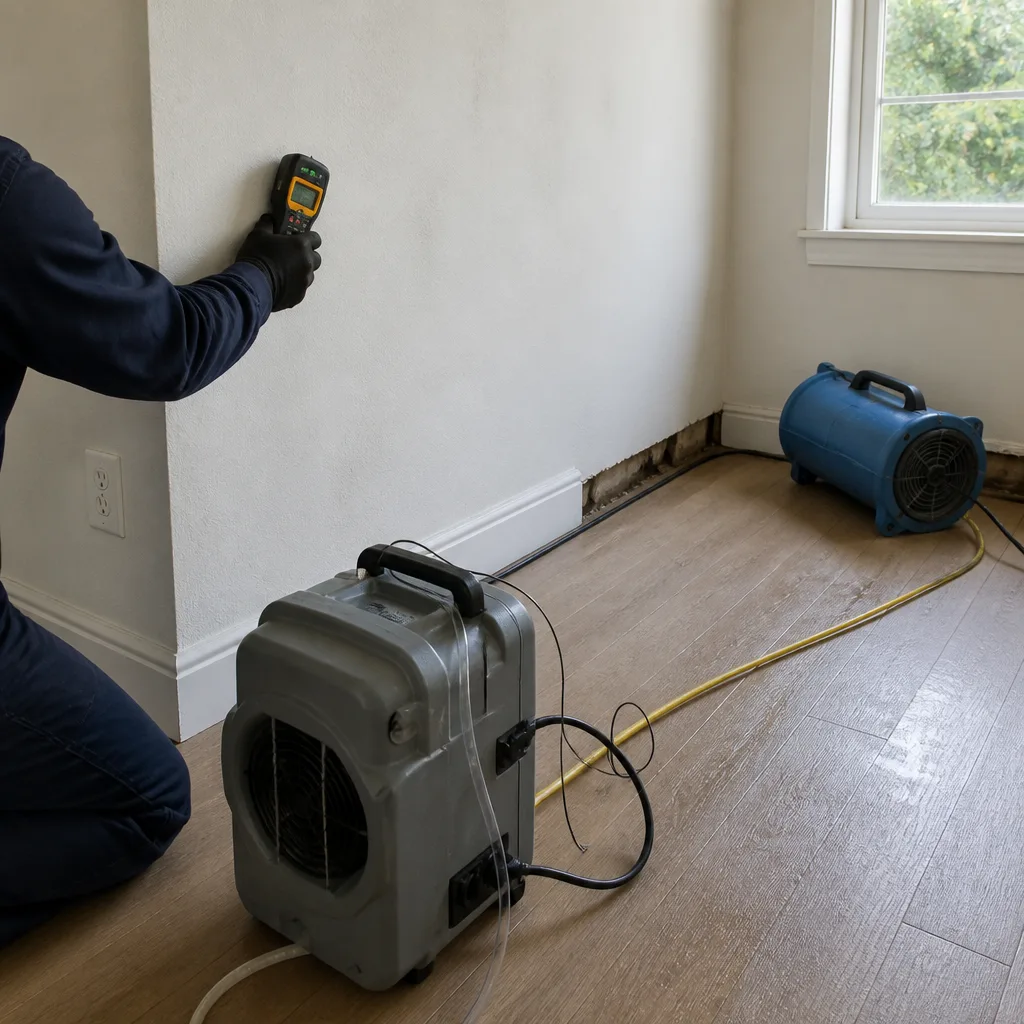 After
AfterThe Complete Guide to Damage Restoration in Lakewood
A restoration job without a daily drying log is not a restoration job - it’s a verbal promise, and insurers pay on paper, not promises. In Lakewood, we’ve seen homeowners lose thousands on legitimate claims because their contractor’s “documentation” consisted of a single invoice and a handshake. This guide - alongside our Damage Restoration Warning Signs: A Lakewood Homeowner’s Reference Guide - shows you exactly what a complete, claim-ready restoration file looks like, so you can measure any contractor’s work against a concrete standard before you sign.
You’ll learn: the five documents that must change hands on day one, why Lakewood’s pre-1980 slab construction and Los Angeles River basin proximity create unique water intrusion risks, how to read an IICRC S500 drying standard reference, and the difference between mitigation and restoration that costs homeowners their full coverage.
Quick Answer
Complete damage restoration in Lakewood means documented mitigation (stopping the damage), verified drying (proving it’s dry), and reconstructed finishes - with a written scope and price before work begins, daily moisture logs with timestamps, and a photo record on every visit. A properly documented job produces five deliverables by day one: written scope, written price, drying plan, photo record, and technician credentials.
Table of Contents
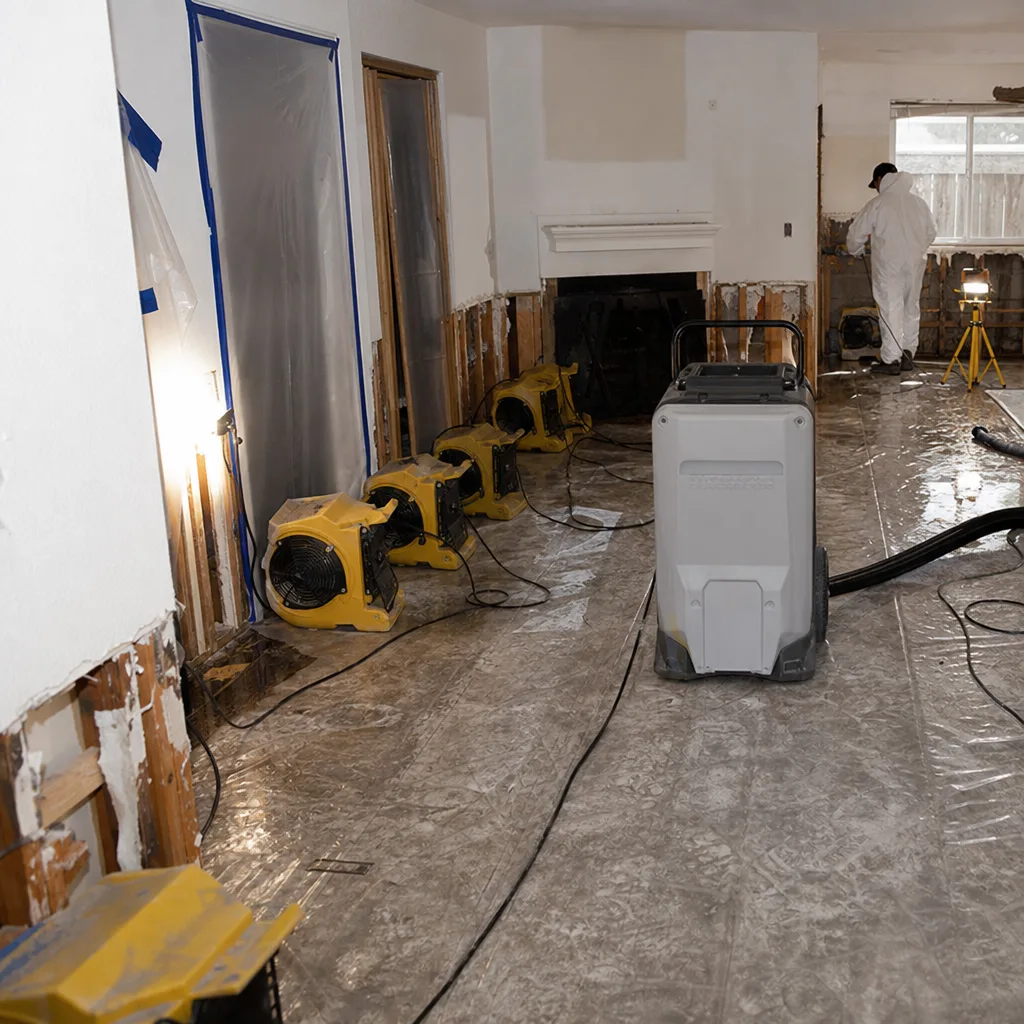
- Mitigation vs. Restoration: The Costly Confusion
- Why Lakewood Homes Face Specific Damage Patterns
- What a Complete Restoration File Must Contain
- The 5 Documents You Need Before Day One Ends
- How to Read IICRC Standards Like a Claims Adjuster
- Equipment, Drying Logs, and Proving the Job
- Insurance Documentation That Gets Claims Paid
- Choosing a Contractor in Lakewood: What to Verify
 Before
 After
AfterMitigation vs. Restoration: The Costly Confusion
Homeowners in Lakewood regularly approve incomplete scopes because they don’t know which phase they’re paying for. Mitigation is emergency work: water extraction, demolition of unsalvageable materials, drying, and stabilization. Restoration is reconstruction: replacing drywall, flooring, cabinets, and finishes to pre-loss condition. The confusion costs money when a contractor bills for “complete restoration” but only performs mitigation, leaving the homeowner to hire a separate rebuild contractor or fight their insurer for supplemental coverage.
Here’s how the phases break down in practice:
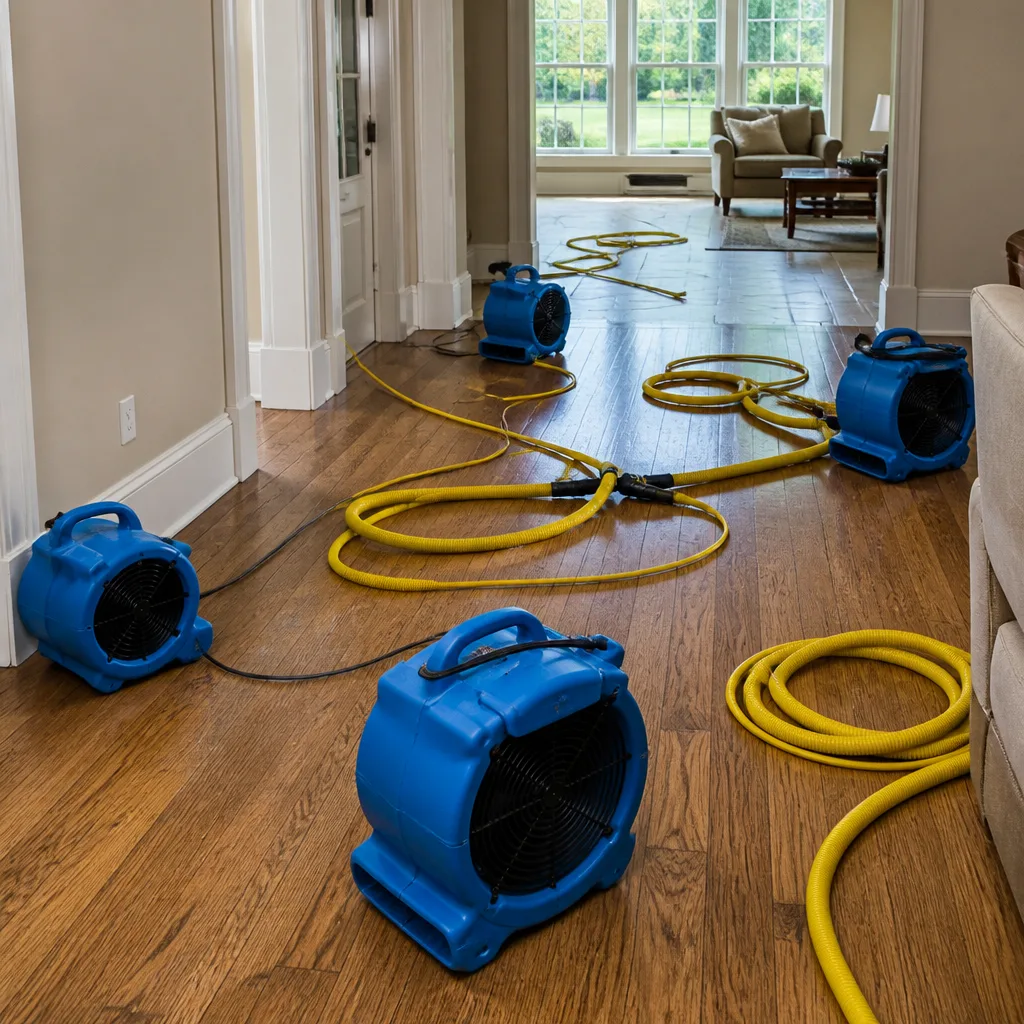
- Mitigation - Extract water. Remove wet carpet, pad, baseboard, or drywall below the flood cut. Deploy air movers and dehumidifiers. Monitor daily with moisture meters and psychrometric readings until materials reach dry standard. This phase is urgent; delays mean mold and structural damage.
- Restoration - Replace what was removed. Install new drywall, paint, flooring, trim, and fixtures. Match existing finishes. This phase is scoped, scheduled, and priced like a remodel - not an emergency dispatch.
Confusing the two creates two predictable problems. First, homeowners expect same-day rebuild service after mitigation, which doesn’t exist - restoration requires material orders, color matching, and permit scheduling that complies with local codes. Second, insurers separate mitigation and restoration coverage limits; if your contractor bills both under one line item, your adjuster may reject the entire invoice for non-compliance.
At Water Damage Restoration in Lakewood, we deliver separate written scopes for mitigation and restoration under Haven Standard, Clause 1. Each has its own price, timeline, and documentation packet. The homeowner knows exactly what phase they’re paying for before anyone enters the house.
Why Lakewood Homes Face Specific Damage Patterns
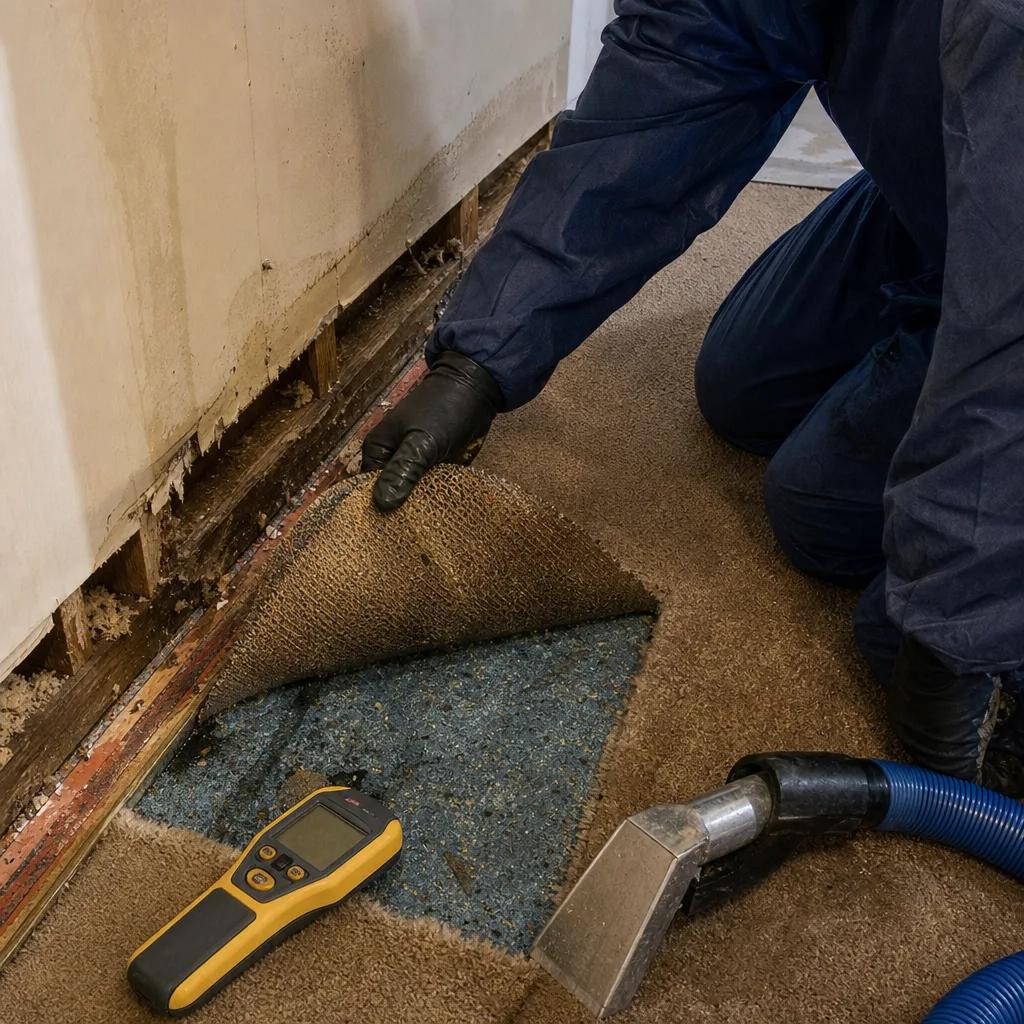
Lakewood’s housing stock and geography create restoration scenarios that generic guides miss. Understanding these patterns helps homeowners ask better questions and spot contractors who treat every job the same regardless of location.
Pre-1980 slab construction with original plumbing. Much of Lakewood was built between 1950 and 1979 with concrete slab foundations and galvanized steel or early copper plumbing. These pipes corrode from the inside, producing pinhole leaks that run for weeks before surfacing. By the time water appears on flooring, moisture has wicked through slab cracks into base plates and wall cavities. A contractor who only addresses visible water misses the hidden migration. We regularly find moisture readings above 20% in base plates behind apparently dry drywall in Mayfair and Lakewood Village homes.
Los Angeles River basin proximity and clay soil expansion. Lakewood sits on clay-heavy soils that expand when saturated and contract during dry periods. This seasonal movement stresses slab foundations, creating new pathways for water intrusion and reopening old ones. After heavy rains, we see increased slab leak calls from neighborhoods near the San Gabriel River channel, particularly where original landscaping has been replaced with hardscape that directs runoff toward the foundation rather than away.
Original bathroom and kitchen layouts with limited access. Many Lakewood homes retain their original wet-area configurations: tubs against exterior walls, kitchen sinks with no adjacent access panel, laundry in garage corners. When supply lines fail behind these fixtures, demolition scope expands because there’s no clean way to dry the cavity. A contractor who hasn’t worked in Lakewood’s specific housing stock may underestimate demolition and drying time, then deliver change orders mid-job.
Coastal influence on drying schedules. Lakewood’s marine layer influence means higher ambient humidity than inland Orange County, especially June through August. Psychrometric drying - controlling temperature, humidity, and air movement to accelerate evaporation - takes longer here than in drier climates. A contractor using inland drying schedules without adjusting for local conditions leaves moisture behind, inviting mold and warranty callbacks.
What a Complete Restoration File Must Contain
Insurers pay claims based on documentation, not description. A complete restoration file proves what was damaged, what was done, and that it worked. Here’s what that looks like in practice.
Moisture readings by room, by material, by date. Every affected room needs readings at multiple points: center of wall, base plate, subfloor if accessible, and any visible staining. Readings must identify the meter type (pinless, pin-type, thermo-hygrometer) and the standard being measured against - typically 12-16% moisture content for wood framing per IICRC S500. A file with one reading per room is incomplete; moisture gradients exist even in small spaces.
Drying logs with timestamps and equipment mapping. Each daily visit produces a log showing: date and time of arrival/departure, equipment deployed by serial number, readings before and after adjustment, and any changes to the drying plan. The log should map equipment placement - “Phoenix 200HT dehumidifier, SN 44721, southeast bedroom, 6:15 AM” - so an adjuster can verify capacity matches affected square footage.
Photo record on every visit, with metadata. Every photo needs a date stamp, location description, and subject identification: “2024-03-15, 7:42 AM, master bath north wall, base plate moisture reading 23.2%.” Wide shots establish context; close-ups document specific conditions. The photo record is not a courtesy - it’s evidence that the work happened and happened correctly.
Written scope before work begins. Haven Standard, Clause 1 requires this without exception. The scope defines: affected square footage by room, classification of water damage (Category 1, 2, or 3 per IICRC S500), materials to be removed or dried in place, equipment count and type, and estimated duration. No scope, no signature, no work.
Written price before work begins. The price derives from the scope, line-itemed by task and material. It includes labor rates, equipment daily rates, and disposal fees. If the scope changes, the price changes in writing before the additional work proceeds.
Psychrometric data proving drying progress. This is where most files fail. Psychrometrics measures the relationship between air temperature, relative humidity, and vapor pressure to determine how effectively air movers and dehumidifiers are pulling moisture from materials. Daily readings should show decreasing humidity ratio and increasing dehumidifier pint removal. Without this data, you have no proof the drying equipment was sized or positioned correctly.
The 5 Documents You Need Before Day One Ends
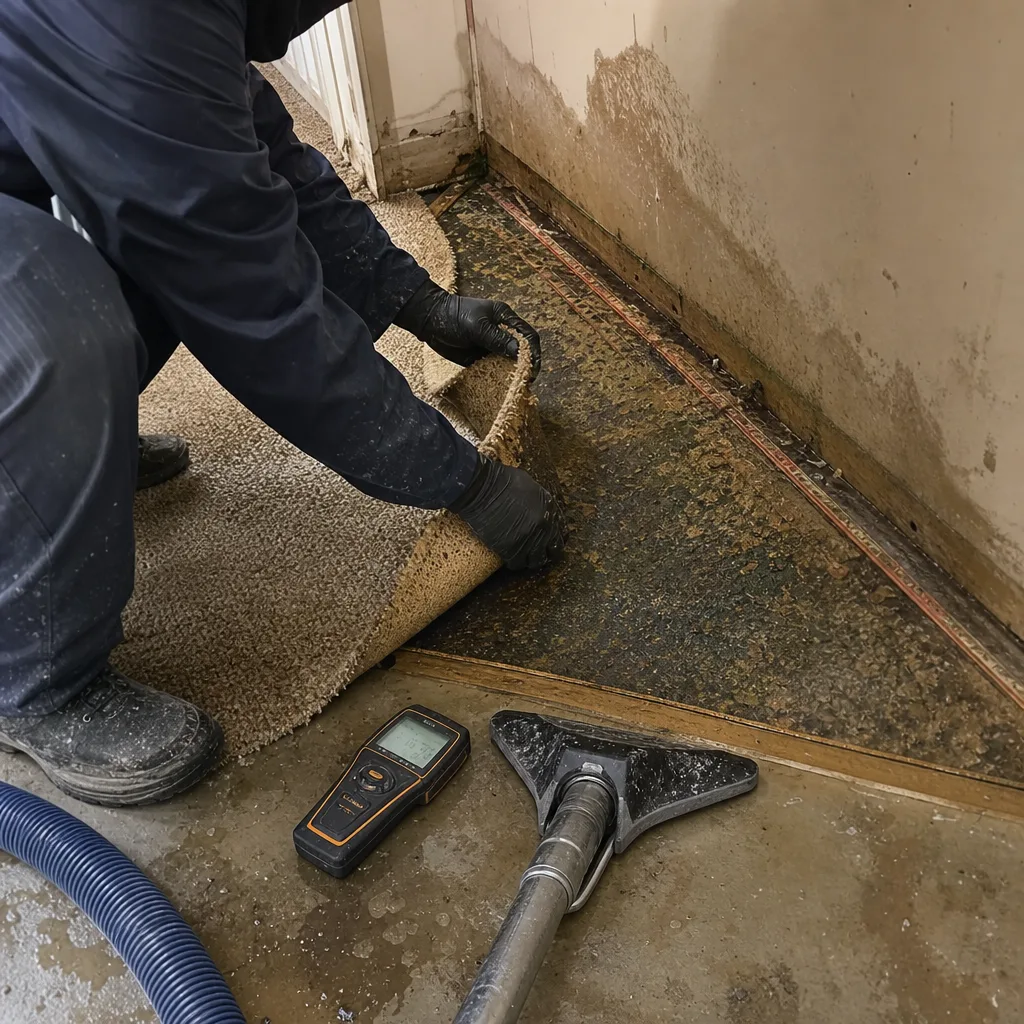
Before any contractor leaves your Lakewood property on the first day, you should have these five documents in hand. If you don’t, the job is not properly documented and your claim is at risk.
- Written Scope of Work - A room-by-room description of what will be done, what materials will be removed or dried in place, and what equipment will be deployed. This is your baseline for verifying the work.
- Written Price - Line-itemed costs tied to the scope, with labor rates, equipment daily rates, and material costs shown separately. Haven Standard, Clause 1: written price before work begins, every time, no exceptions.
- Drying Plan with Equipment Map - A diagram or written description showing where each piece of equipment sits, what it’s treating, and why that location was chosen. This proves equipment count matches affected area.
- Initial Photo Record - Date-stamped photos of all affected areas before any work begins, plus photos of any pre-existing conditions. This protects you from liability for damage you didn’t cause.
- Technician Credentials - Names, license numbers, and insurance verification for every person who will enter your home. Background checks and verification are standard under The Haven Standard.
These documents are not administrative overhead. They are the evidence that transforms a restoration invoice from a demand into a payable claim. Adjusters see hundreds of invoices; the ones with complete files get paid faster and with fewer questions. The ones without get scrutinized, delayed, or denied.
At DryMark Restoration Lakewood home, we deliver all five documents at the initial assessment. The homeowner reviews and signs before equipment is plugged in. No exceptions.
How to Read IICRC Standards Like a Claims Adjuster
IICRC S500 is the Standard and Reference Guide for Professional Water Damage Restoration. It’s the document adjusters use to evaluate whether your contractor’s work meets industry benchmarks. You don’t need to read the full standard, but you need to know how to check that your contractor is following it.
Here’s what to look for on any drying plan or invoice:
- Water category classification. Category 1 is clean water from a supply line. Category 2 is gray water with contamination (dishwasher, washing machine). Category 3 is black water (sewage, flooding, any water that has passed through ground or building materials). Category determines what can be dried in place versus what must be removed. A contractor who doesn’t classify water is not following S500.
- Class of water loss. Class 1 affects minimal wet materials. Class 2 affects entire room with moisture wicking up walls less than 24 inches. Class 3 has water overhead or walls saturated above 24 inches. Class 4 involves low-permeance materials like plaster, concrete, or hardwood that require specialty drying. Class determines equipment count and drying duration. A Class 3 loss with two air movers is under-equipped per S500.
- Dry standard definition. S500 defines dry as “return to a condition of equilibrium with normal indoor environmental conditions” - meaning the moisture content of affected materials matches unaffected materials in the same building. Your contractor should measure unaffected areas to establish this baseline, then document affected areas reaching it.
- Equipment calculations. S500 provides formulas for dehumidifier capacity based on cubic feet of affected space and class of loss. A contractor using IICRC-standard calculations can show their math. One who sizes equipment by intuition cannot.
Ask your contractor: “What IICRC S500 class and category are you assigning this loss, and how did you calculate equipment count?” The answer should be immediate, specific, and reference the standard by section. Hesitation or vague references mean they may not be following it.
All work we perform is documented to IICRC, RIA, and IFA standards. The daily drying logs we produce include S500 section references where applicable, so adjusters can verify compliance without additional requests.
Equipment, Drying Logs, and Proving the Job
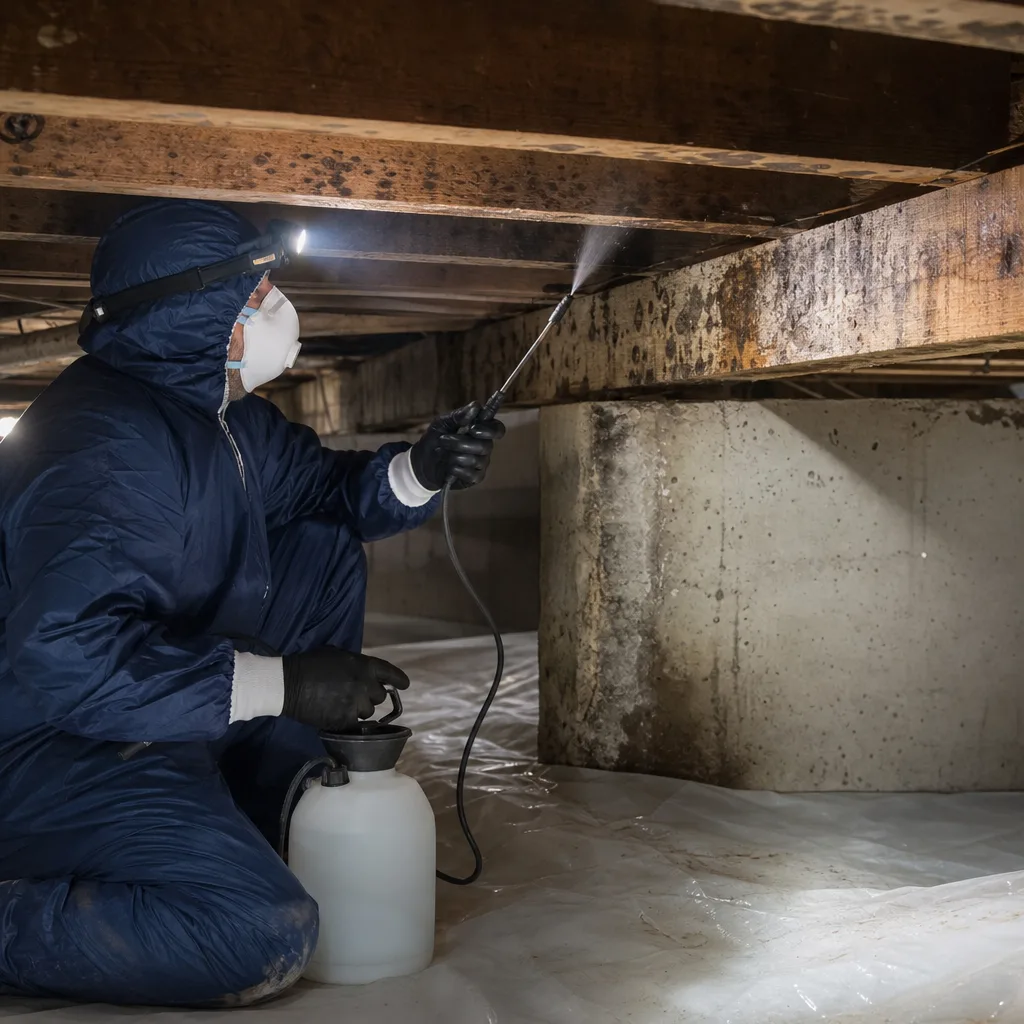
Equipment brand names matter less than documentation, but the two are related. Professional-grade equipment from manufacturers like XPOWER, B-Air, and Injectidry produces consistent, measurable airflow and dehumidification that can be logged and verified. Consumer-grade equipment from hardware stores cannot.
Here’s what proper equipment documentation looks like in a drying log:
| Date/Time | Equipment | Serial Number | Location | Reading Before | Reading After | Adjustment Made |
|---|---|---|---|---|---|---|
| 03/15 06:15 | Phoenix 200HT | 44721 | SE Bedroom | RH 72%, Temp 68°F | RH 58%, Temp 71°F | Added XPOWER P-230AT air mover, SN 8834, north wall |
| 03/16 06:22 | Phoenix 200HT | 44721 | SE Bedroom | RH 58%, Temp 71°F | RH 44%, Temp 73°F | Reduced to maintenance mode; base plate at 14.2% |
This level of detail proves three things: the equipment was present and operational, the environment was changing in the expected direction, and decisions were based on data rather than calendar days. An adjuster reviewing this log can see that drying was actively managed, not passively waited out.
Vapor pressure differential is the key metric that separates professional drying from guesswork. It measures the difference between the vapor pressure in the wet material and the vapor pressure in the surrounding air. A positive differential means moisture is moving from material to air; a negative or flat differential means your equipment isn’t configured correctly. We log this on every visit and adjust equipment placement when differentials stall.
Tertiary drying refers to the final phase where materials are within a few percentage points of dry standard but need controlled conditions to reach equilibrium. Many contractors remove equipment too early, leaving moisture that supports mold growth or causes finish failure. Our drying logs continue until materials reach dry standard plus 24 hours of stable readings, documented.
Insurance Documentation That Gets Claims Paid
The single biggest reason legitimate restoration claims are underpaid or denied is incomplete documentation, not policy exclusions. Adjusters work from files, not memory or goodwill. Here’s how to build a file that supports full payment.
Photo-document everything before anyone touches it. The initial photo record establishes the loss condition. Take your own photos even if your contractor does - redundancy protects you. Photograph: water source if visible, all affected rooms from multiple angles, personal property damage, and any pre-existing conditions that could be blamed on the current loss.
Request direct adjuster coordination. Your contractor should communicate directly with your insurance adjuster, providing documentation on your behalf. This is not a courtesy; it’s standard practice under The Haven Standard. Direct coordination prevents the telephone game where details get lost between homeowner, contractor, and insurer.
Demand a written scope before authorization. Haven Standard, Clause 1 again. An adjuster cannot evaluate a claim without knowing what work is proposed. A verbal scope followed by a surprise invoice creates adversarial relationships and delays. A written scope submitted before work begins allows the adjuster to approve or modify the plan proactively.
Keep the daily drying log. This is your proof that mitigation was necessary, properly executed, and completed. Without it, an adjuster may question whether three days of equipment rental was justified or whether two would have sufficed. The log answers before the question is asked.
Get the completion documentation. Final moisture readings showing dry standard achievement. Photo record of completed work. Written warranty (ours is the 365-Day Done Right Promise under The Haven Standard). These documents close the file and protect against future disputes.
We provide direct insurance billing and adjuster coordination as standard. Our documentation packets have supported thousands of claims since 2011 without the delays that incomplete files create. Explore more guides & resources to protect your home and your claim.
Choosing a Contractor in Lakewood: What to Verify
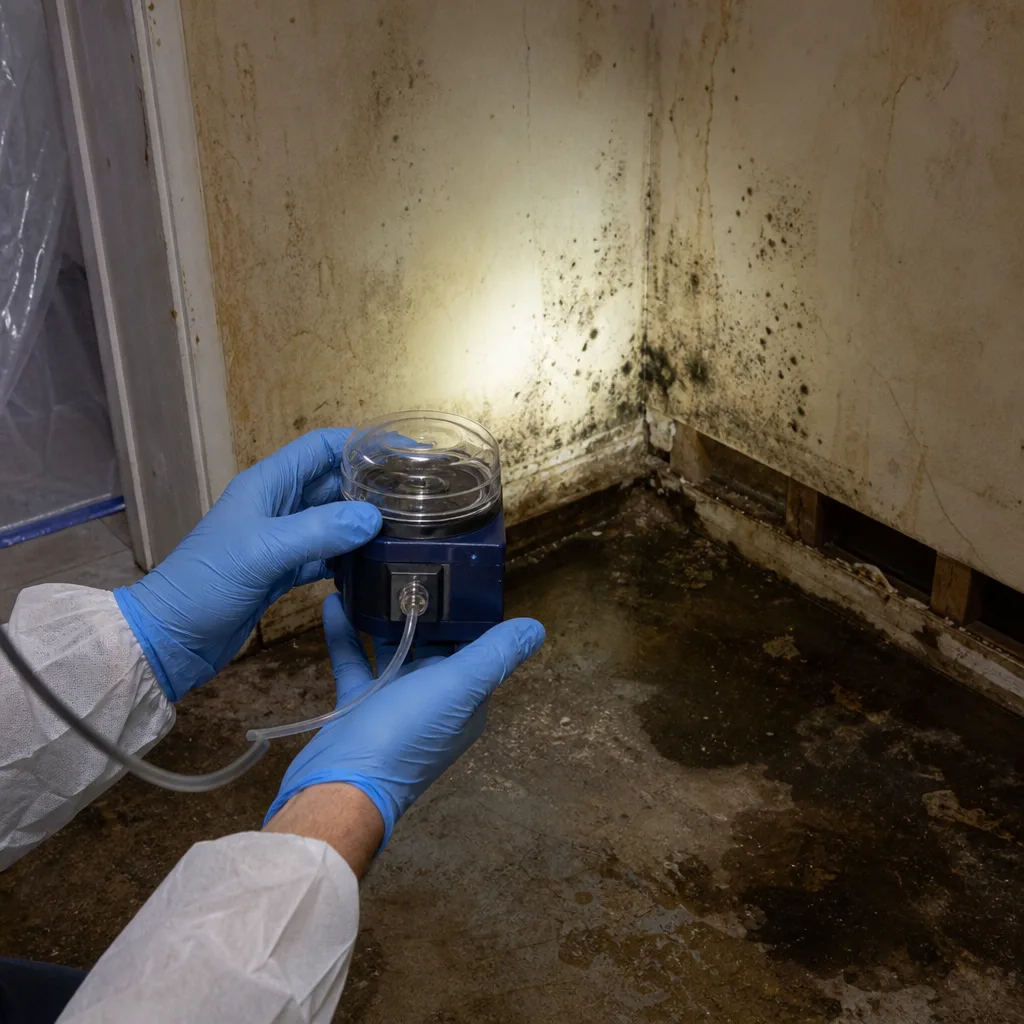
Not every restoration contractor in Lakewood operates to the same documentation standard. Here’s how to verify what you’re actually getting.
Ask to see a sample drying log before you hire them. A contractor with nothing to hide produces one immediately. Look for: timestamps, equipment serial numbers, moisture readings with meter type identified, and psychrometric data. If the sample is a template with blanks, ask whether that’s what you’ll receive or whether actual logs are more detailed.
Verify licensing and insurance independently. California requires contractors performing water damage mitigation and mold remediation to hold specific licenses. Ask for the license number and verify it through the Contractors State License Board. Ask for certificates of insurance and verify they’re current. Under The Haven Standard, our technicians are background-checked, uniformed, and verified before they arrive, with license numbers available on request.
Request a free second opinion on any competitor’s written estimate. This is a standard service we offer at no charge. Bring us another contractor’s scope and we’ll review it for completeness, IICRC compliance, and fair pricing. We’ve found estimates that missed hidden moisture, underestimated equipment count, or proposed drying in place materials that S500 requires removal for. A second opinion costs nothing; acting on a bad estimate costs thousands.
Confirm 24/7 live phone coverage. Water doesn’t wait for business hours. A voicemail tree during an active leak is not acceptable. Our emergency line is answered by a live person 24 hours a day, 7 days a week - no exceptions.
Ask about the warranty. A contractor confident in their documentation offers a written warranty, not a verbal assurance. Our 365-Day Done Right Promise is a signed guarantee under The Haven Standard, not a marketing line. If it’s not done right, we make it right.
For Mold Remediation in Lakewood specifically, verify that the contractor holds separate mold remediation certification and follows IICRC S520, not just S500. Mold requires containment, negative air pressure, and post-remediation verification testing that water damage contractors without mold certification may not provide.
Common Mistakes to Avoid
- Signing a work authorization without a written scope and price. Haven Standard, Clause 1 exists because this mistake costs homeowners their negotiating position. Once work begins, your leverage disappears.
- Assuming mitigation includes reconstruction. In Lakewood’s older housing stock, reconstruction often involves matching discontinued materials or addressing code upgrades that mitigation doesn’t cover. Clarify both phases before signing.
- Accepting “it’ll dry on its own” for slab-adjacent water damage. Lakewood’s clay soils and slab construction mean water wicks horizontally under foundations, not just vertically into walls. Passive drying leaves moisture that causes mold and structural damage.
- Not requesting psychrometric data. A contractor who can’t show you humidity ratio, vapor pressure differential, and dehumidifier pint removal is managing by calendar, not by measurement.
- Letting the insurance adjuster choose your contractor. You have the right to choose. The adjuster’s preferred vendor may prioritize volume over documentation. Verify their standards independently.
- Discarding documentation after the claim pays. Keep all records for at least three years. Latent moisture damage can appear months later, and warranty claims require proof of original conditions.
When to Call a Professional
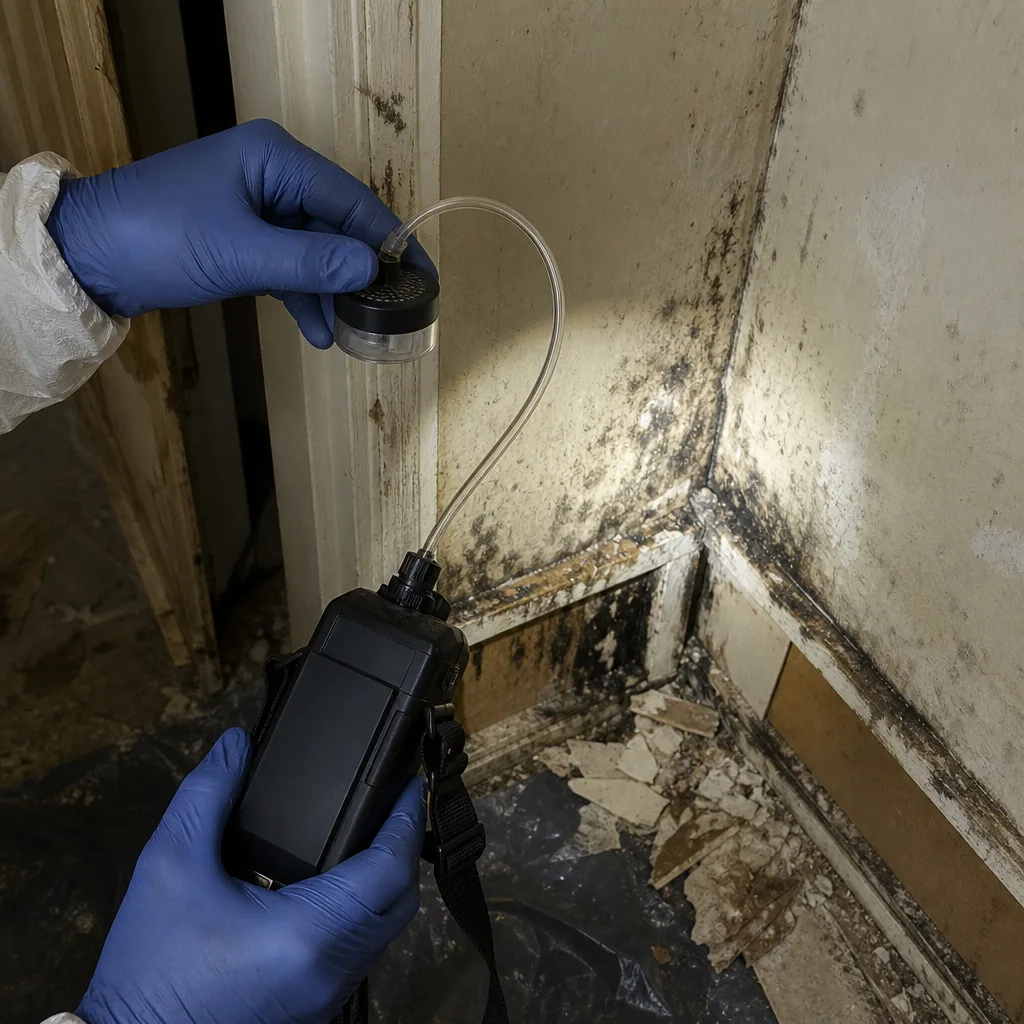
Call immediately for: active water intrusion you cannot stop, sewage backup (Category 3 water), visible mold growth exceeding 10 square feet, fire or smoke damage with compromised structural elements, or any water damage affecting electrical systems. These scenarios pose health risks or structural hazards that require trained response.
For water damage confined to a small area with a known, stopped source and no structural involvement, you may perform initial extraction and set fans, but still request professional moisture verification. Surface dryness is not material dryness; we regularly find 20%+ moisture in base plates behind apparently dry drywall in Lakewood homes where homeowners attempted self-drying.
DryMark Restoration Lakewood offers free estimates in Lakewood - call (562) 373-6757. Every estimate includes a written scope and price before any work begins, with no obligation to proceed.
Frequently Asked Questions
Water damage mitigation in Lakewood typically ranges from $1,200 for a contained Class 1 loss to $8,500+ for a whole-house Class 3 event with sewage involvement. Reconstruction costs vary widely based on finishes - $15-$45 per square foot for standard drywall and flooring replacement, more for custom materials. The exact price depends on water category, affected square footage, and whether asbestos or lead testing is required in pre-1980 homes. Call (562) 373-6757 for a written estimate - they’re free, and you’ll have the price before any work begins.
Most homeowners policies cover sudden and accidental water damage from supply lines, appliance failures, or storm intrusion, but exclude gradual leaks, flooding (without separate flood insurance), and sewer backup (without specific rider). Coverage depends on documentation quality: a complete file with moisture logs, photo records, and written scope gets approved faster than an invoice with a description. We coordinate directly with adjusters and provide the documentation that supports full payment. Call (562) 373-6757 to review your specific situation.
Our emergency line is answered by a live person 24 hours a day, 7 days a week. For active water damage, we aim to have a technician on-site within 90 minutes of your call. Reconstruction work is scheduled, not dispatched - we provide a written timeline with the scope. Speed matters for mitigation; precision matters for restoration. Confusing the two leads to rushed rebuilds and callbacks.
For water damage, professional drying verification is essential because moisture hides in wall cavities and subfloors that homeowner equipment cannot reach. For mold, IICRC S520 requires professional remediation when growth exceeds 10 square feet, involves HVAC systems, or follows Category 2 or 3 water damage. Self-cleaning visible mold without addressing moisture source and hidden growth typically worsens the problem within weeks. We offer free second opinions on any competitor’s scope if you’re unsure what’s necessary.
An invoice lists what you owe. A drying log proves the work was necessary and effective. The log contains timestamped moisture readings, equipment serial numbers, psychrometric data, and adjustment decisions. An adjuster can verify a drying log against IICRC standards; an invoice stands alone. We provide both, but the drying log is what gets your claim paid without dispute.
Ask three questions: What IICRC S500 class and category are you assigning this loss? How did you calculate equipment count? Can I see a sample drying log? The answers should reference specific standard sections and show documented math. Vague answers or reluctance to share samples indicate standards are being claimed, not followed. All our work is documented to IICRC, RIA, and IFA standards, and we welcome these questions.
The Bottom Line
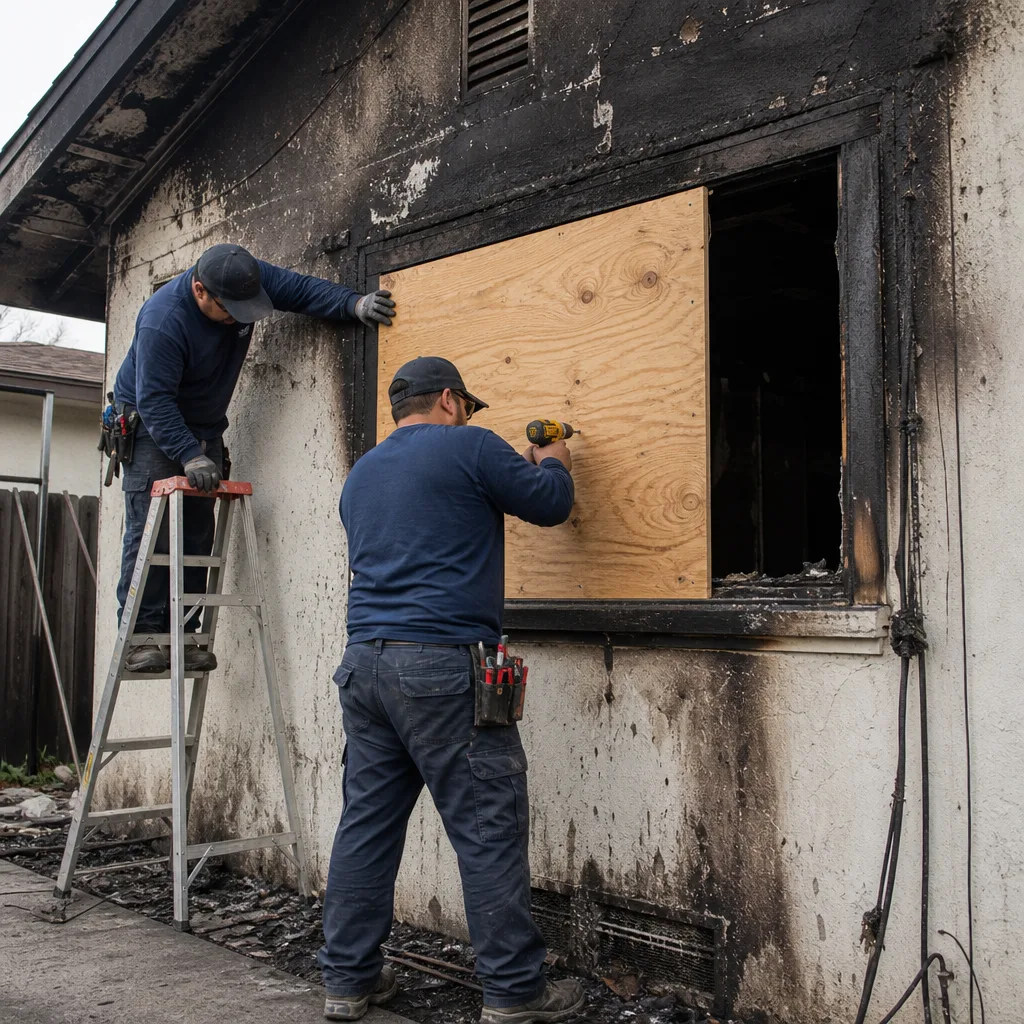
Damage restoration in Lakewood succeeds or fails on documentation, not speed or sympathy. A complete restoration file contains five documents before day one ends: written scope, written price, drying plan, photo record, and technician credentials. Daily drying logs with psychrometric data prove the job worked. IICRC standard references prove it was done correctly. Without these, you’re relying on promises - and insurers pay on paper, not promises.
Since 2011, we’ve built every job around this standard. The Haven Standard requires written prices before work begins, documented photo records on every visit, and a 365-Day Done Right Promise backed by signed guarantee. It’s not marketing. It’s the documentation that gets your claim paid and your home restored.
Call (562) 373-6757 for a free estimate in Lakewood. You’ll receive a written scope and price before any work begins, with no obligation to proceed. Or bring us any competitor’s written estimate for a free second opinion - we’ll review it for completeness and fair pricing at no charge.
Written by Alicia Brennan, Owner at DryMark Restoration Lakewood, serving Lakewood since 2011.