
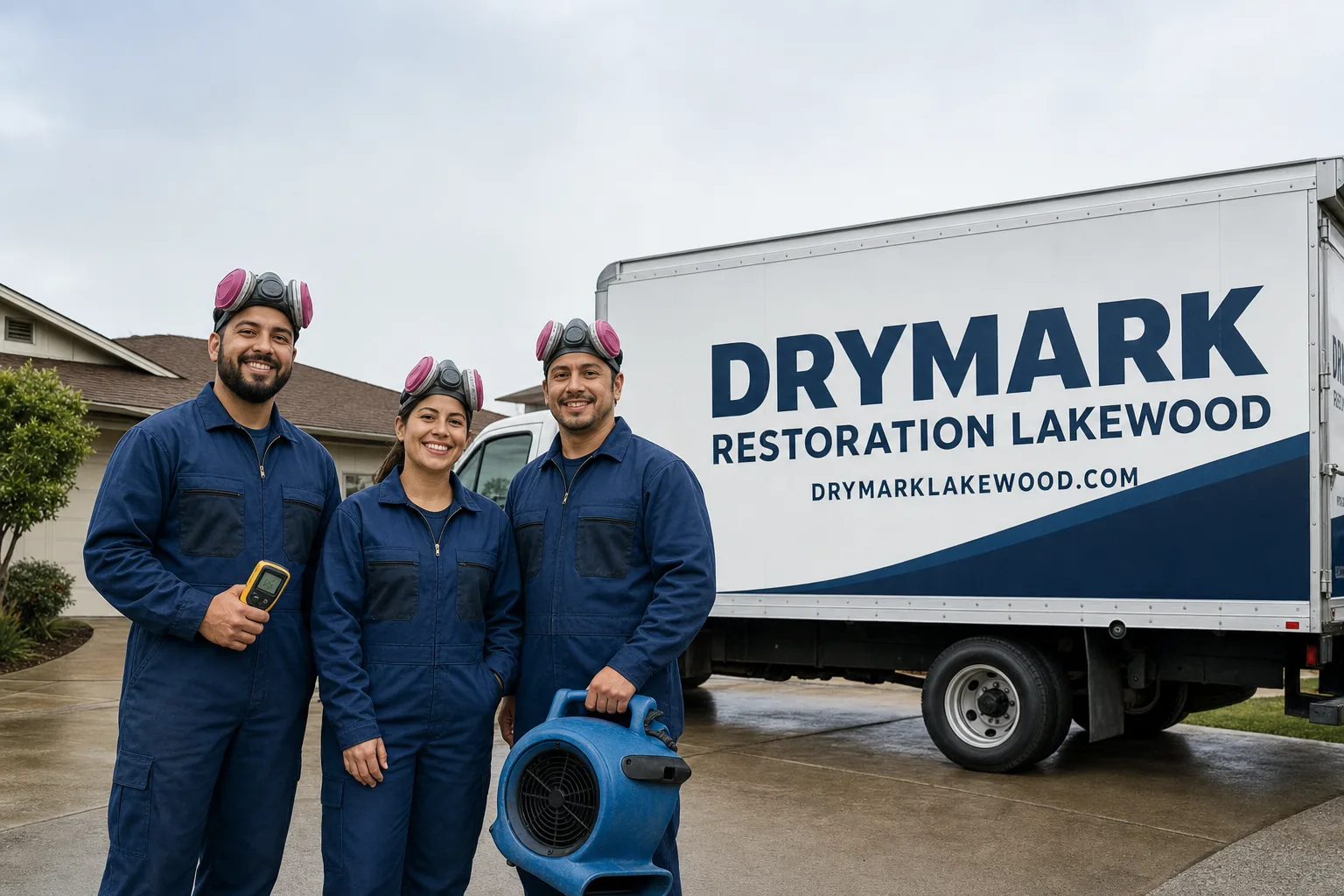
Free visual inspection and a written scope of work before any mitigation begins - photos, moisture readings, and drying logs go in your claim file
The scope we write is the scope we bill. Anything new gets shown to you, in writing, before we touch it.
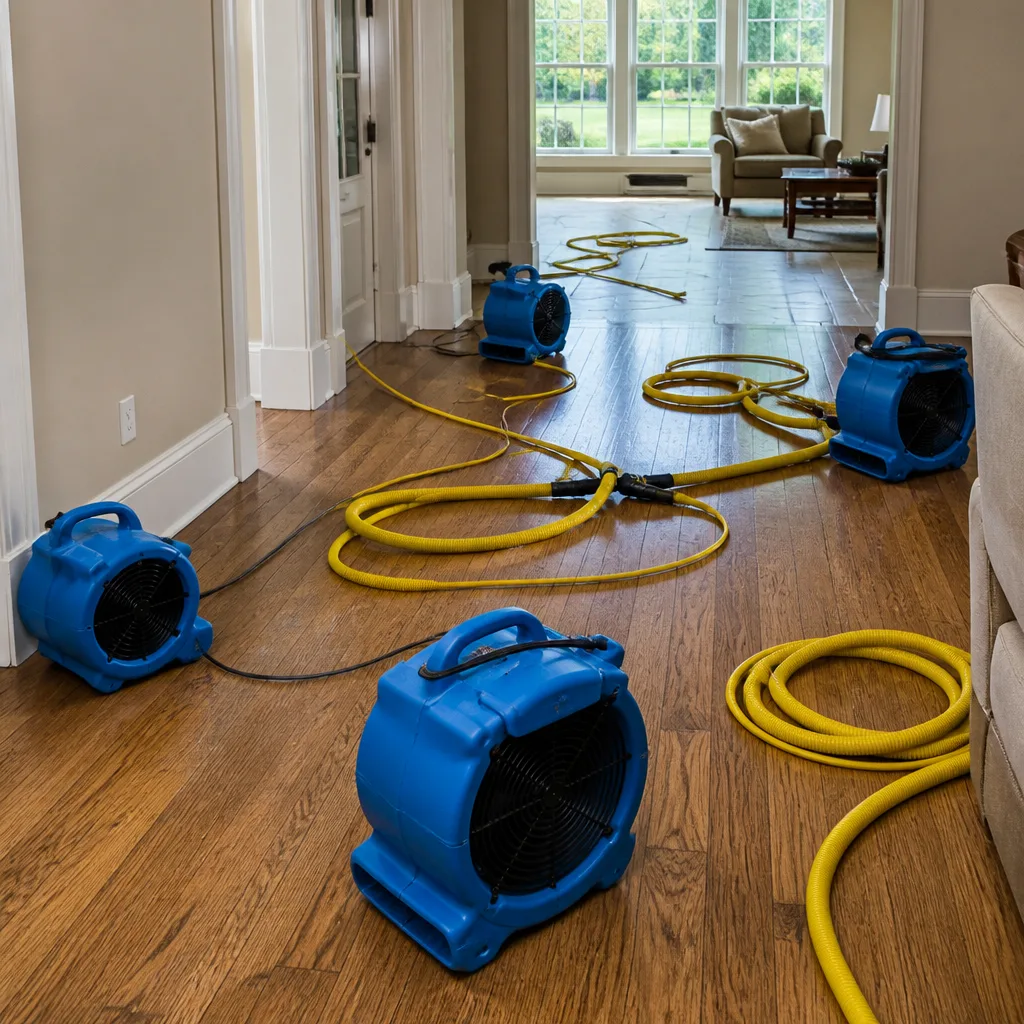
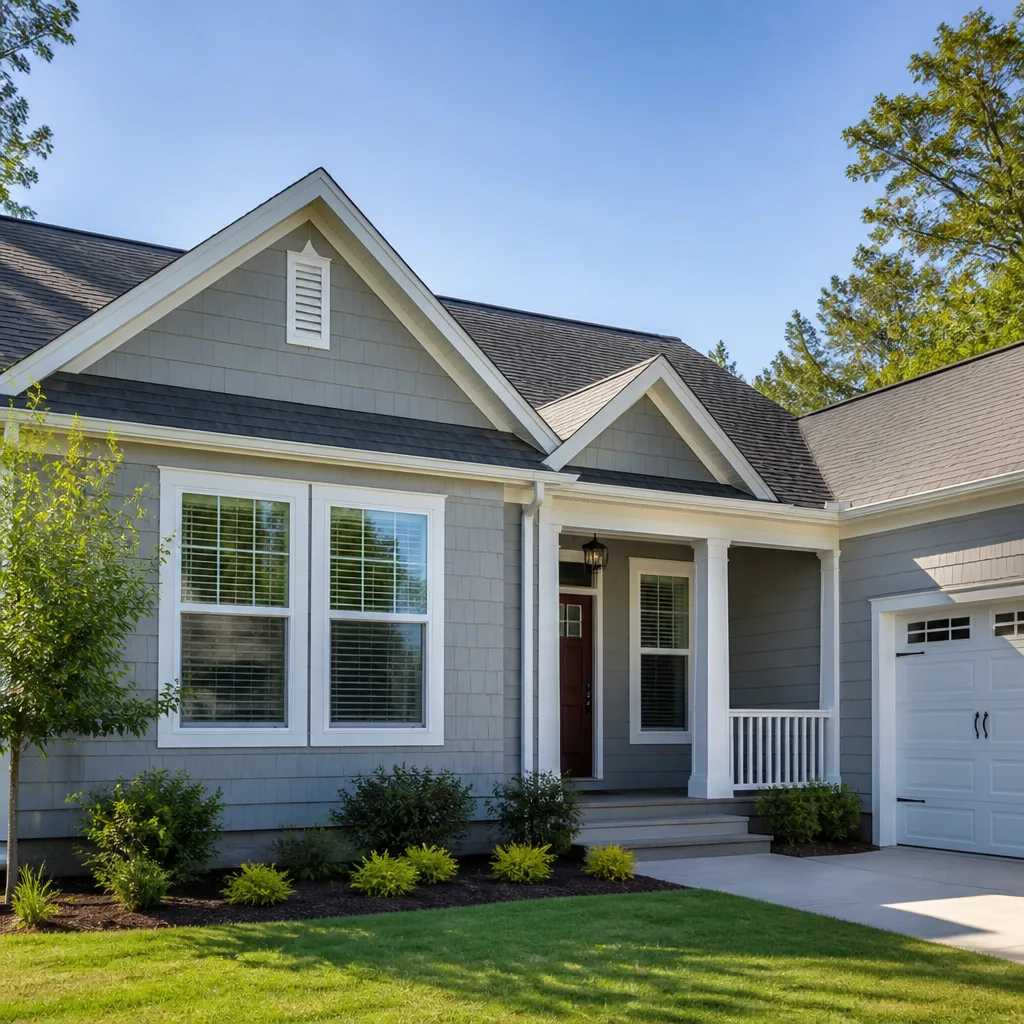
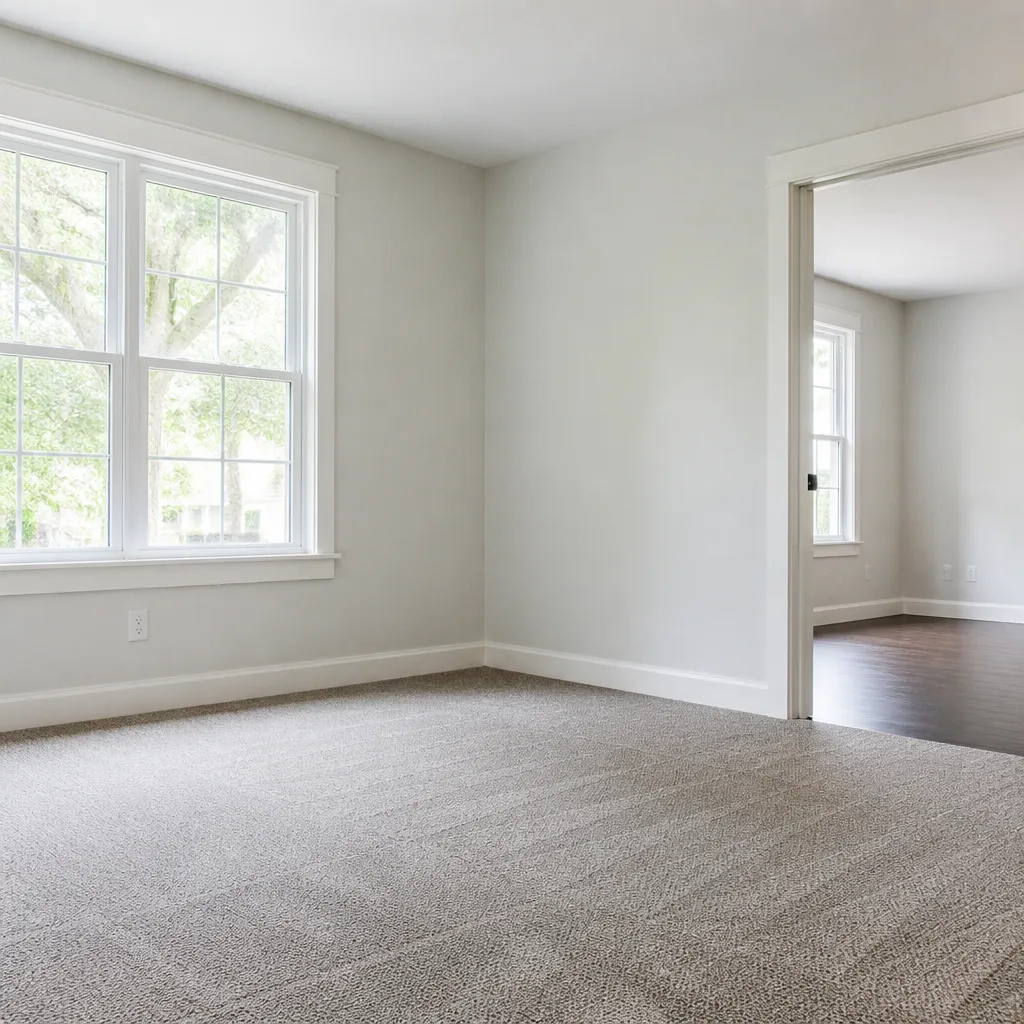
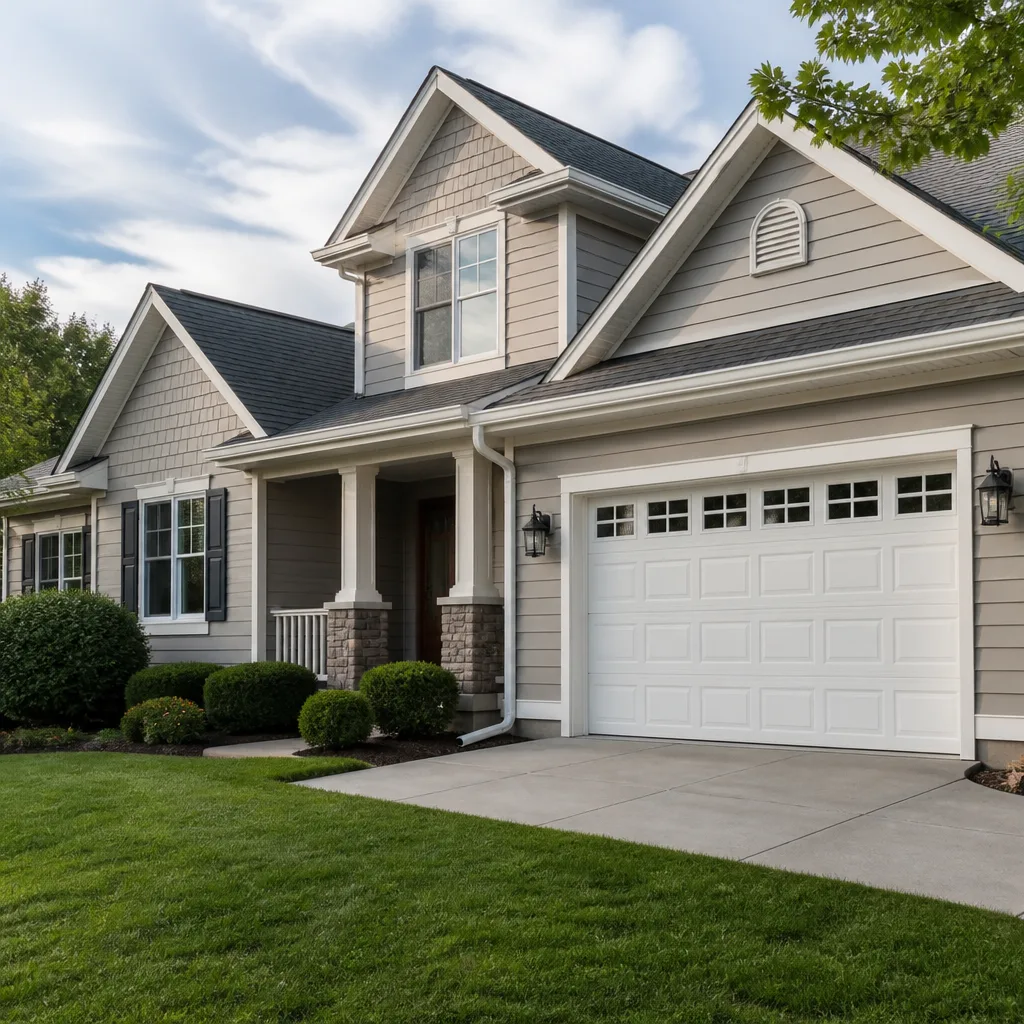
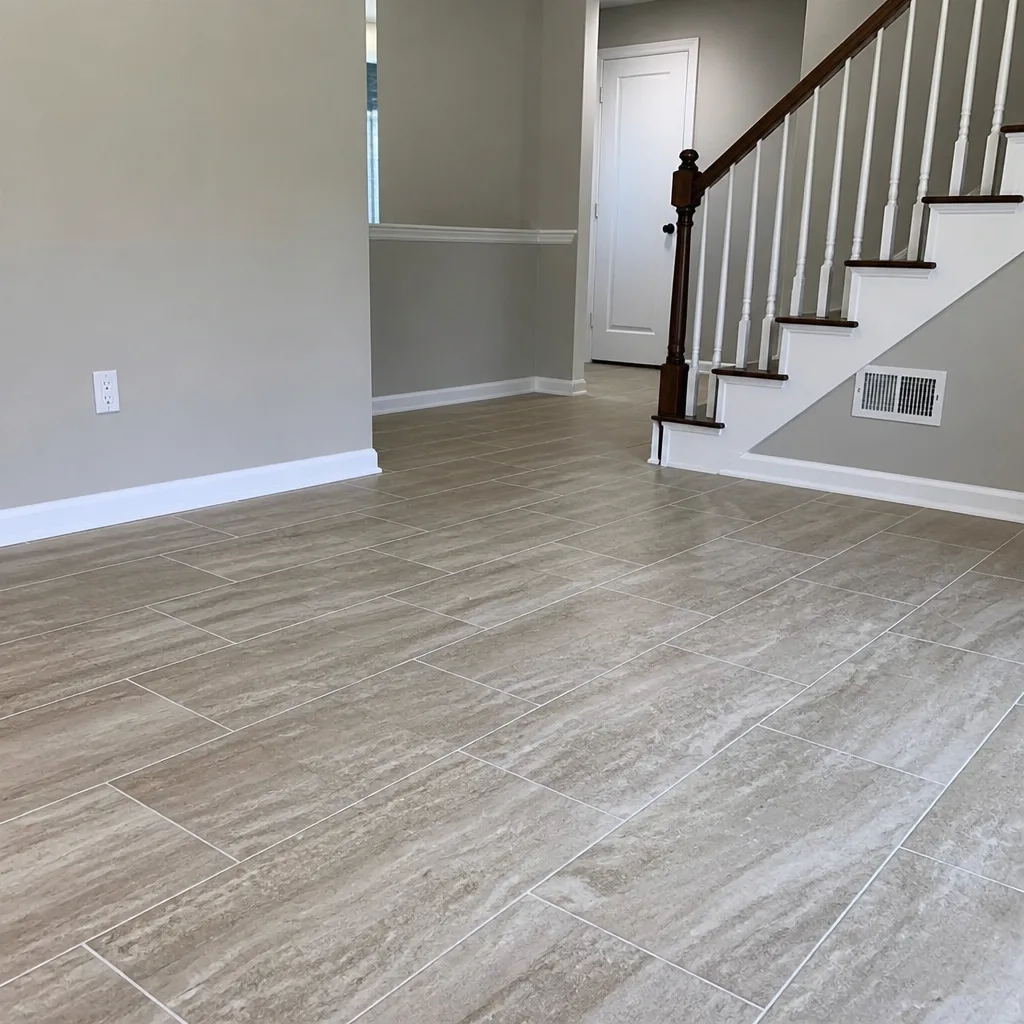
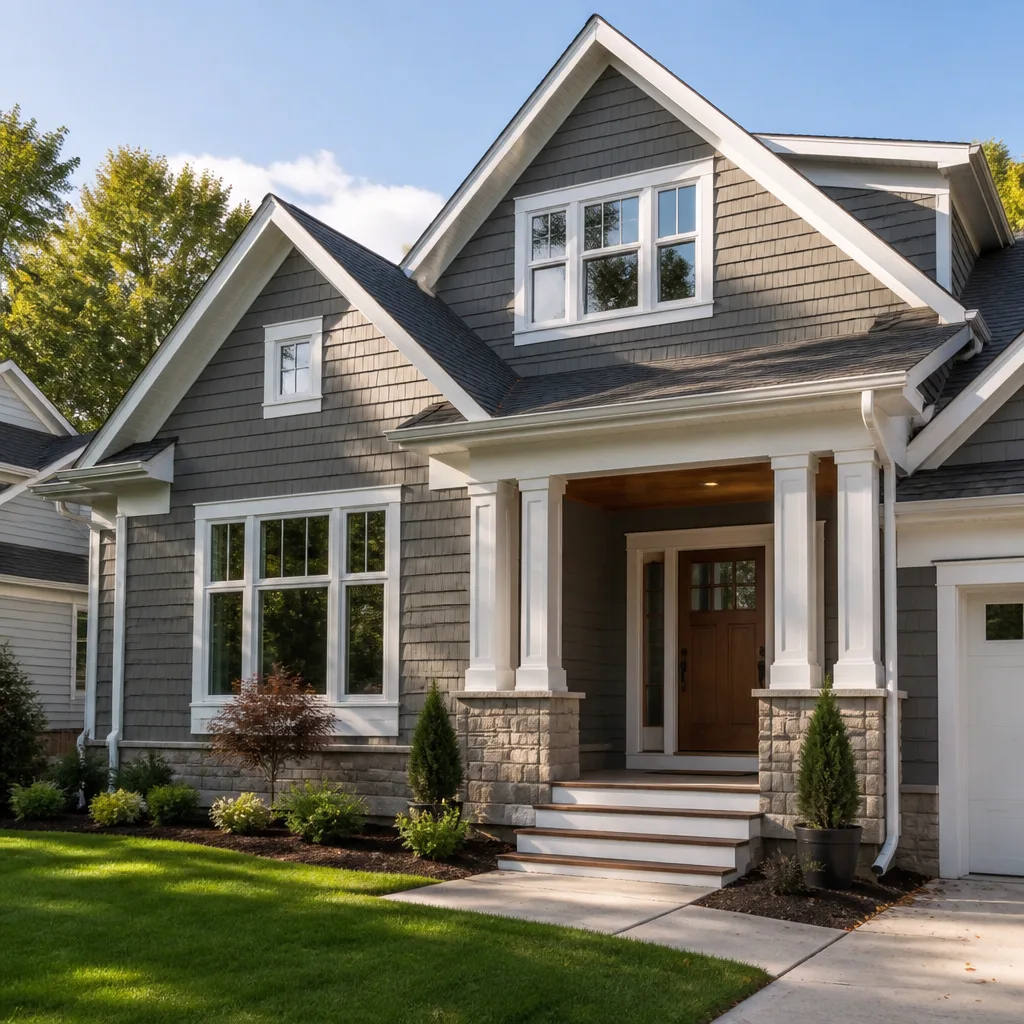
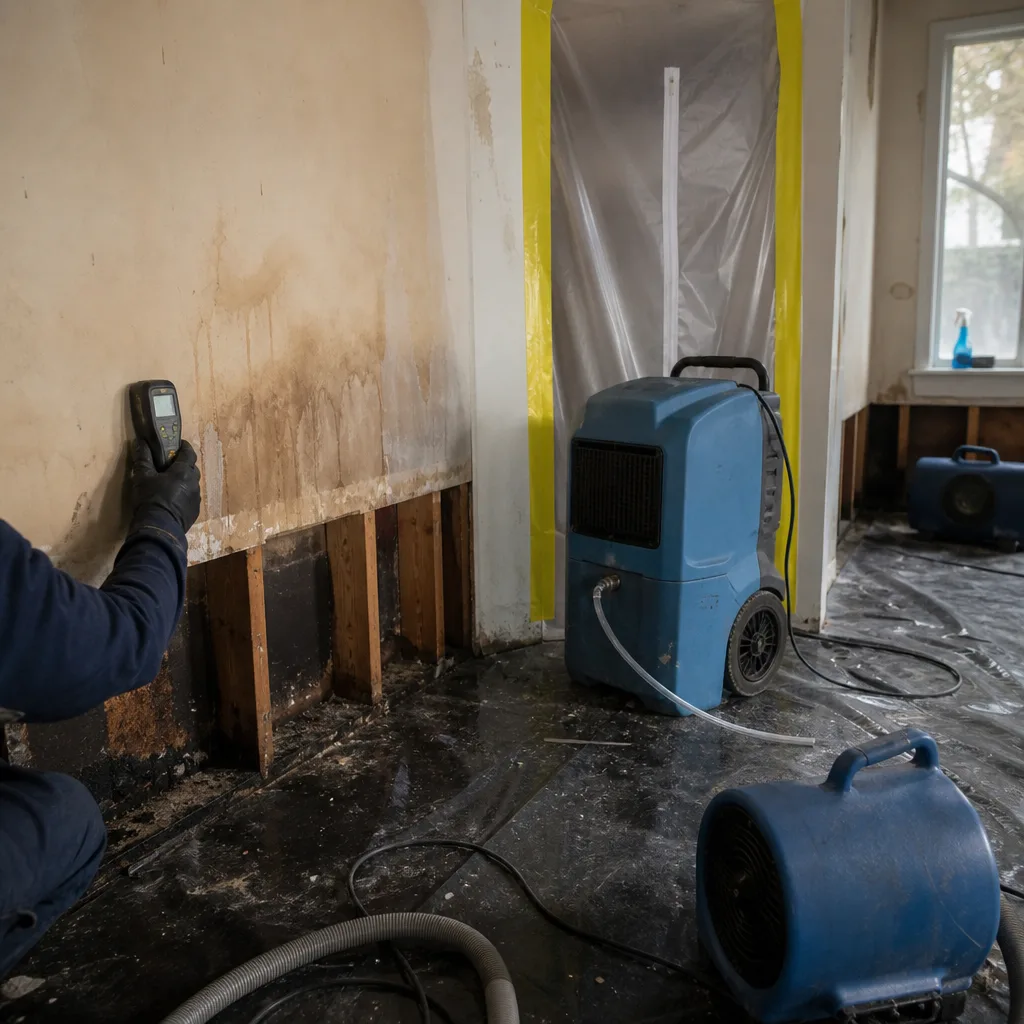 Before
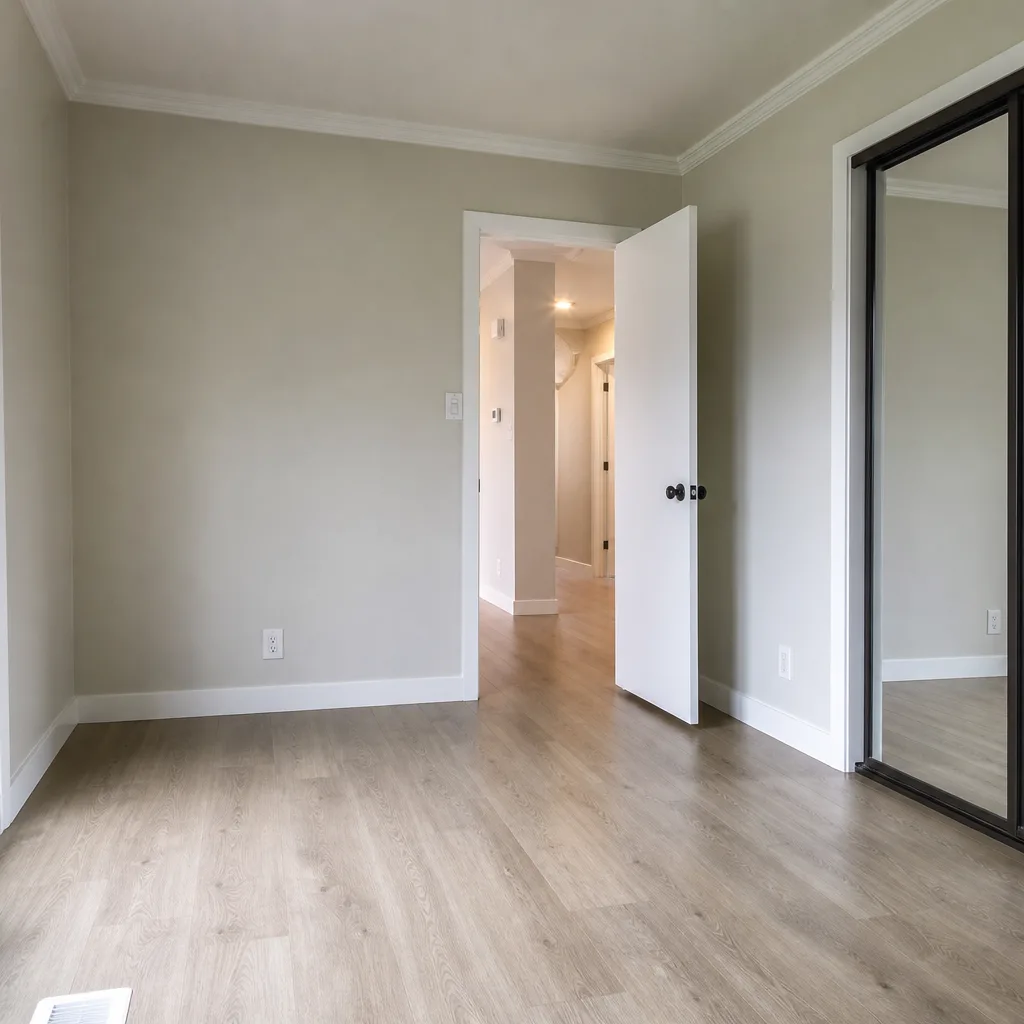 After
After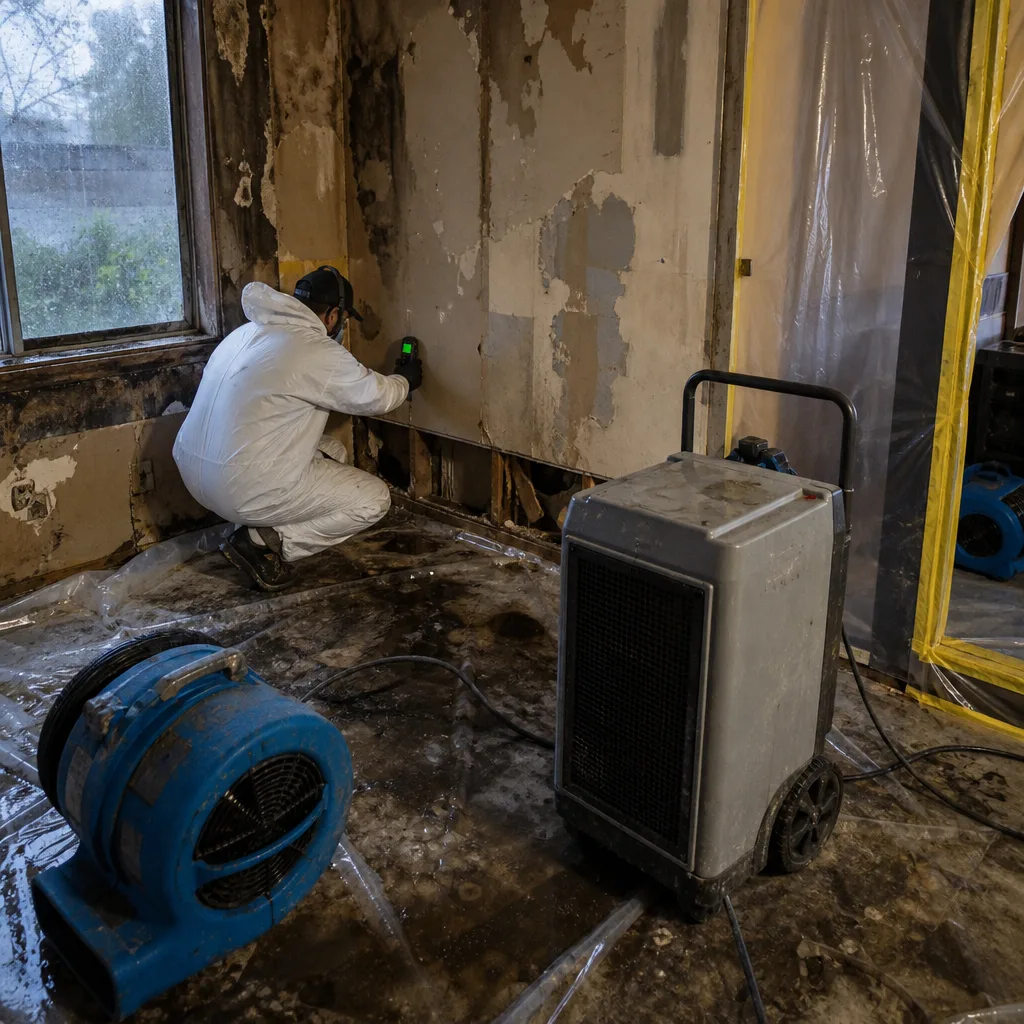 Before
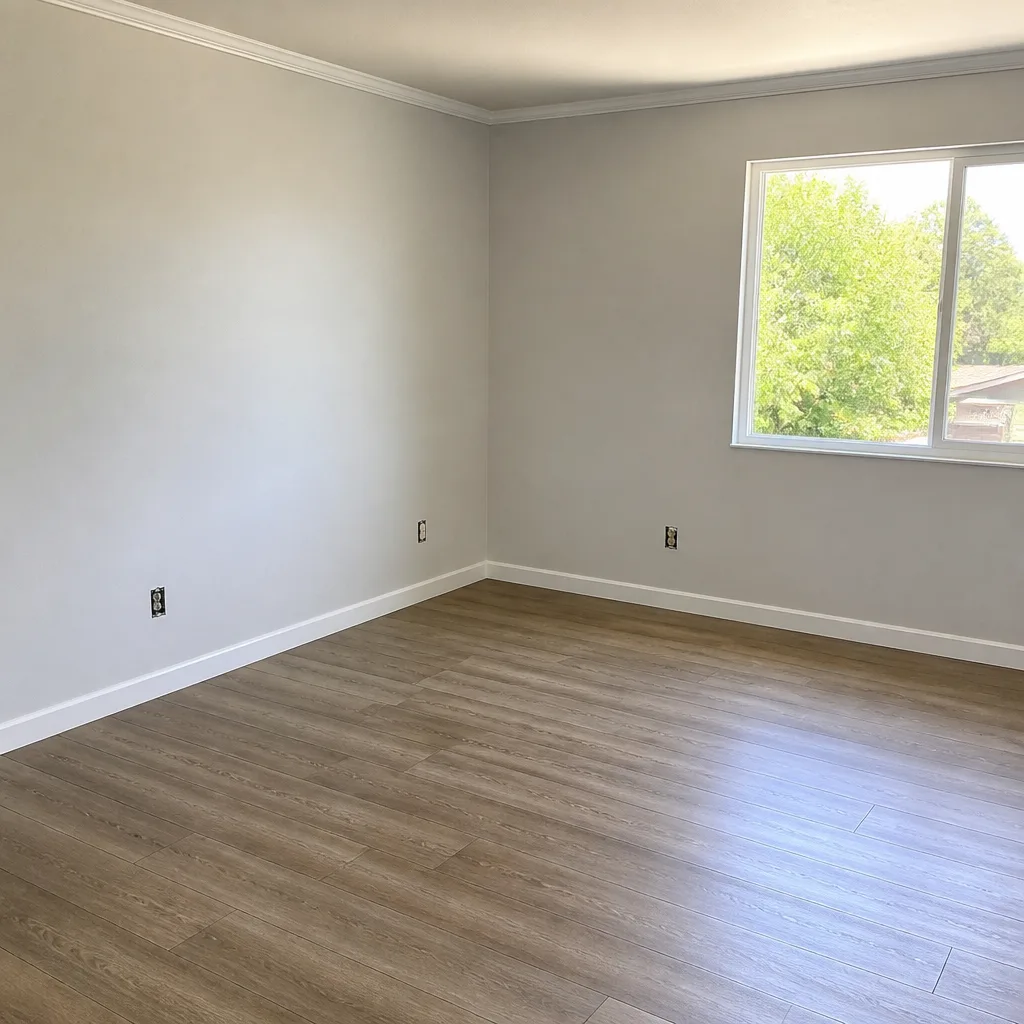 After
After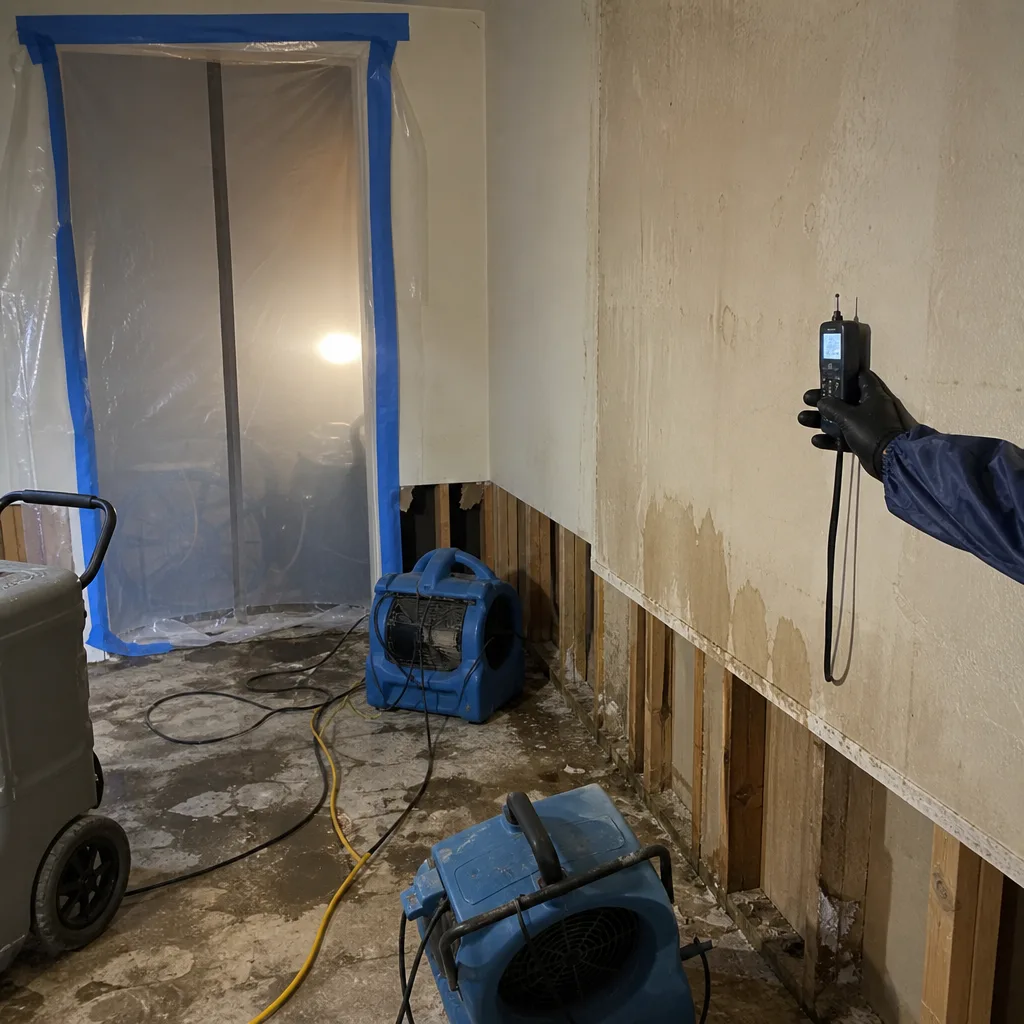 Before
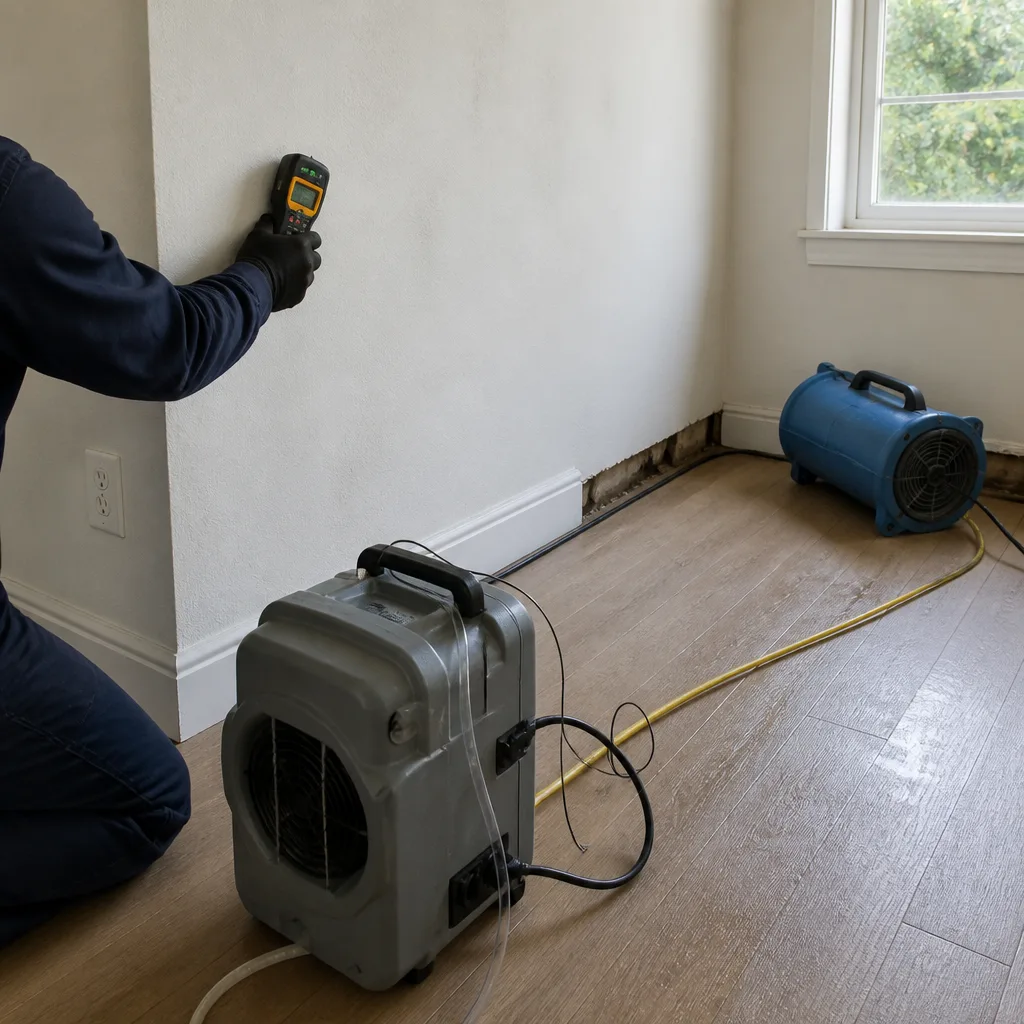 After
AfterFast, Reliable Water Damage Restoration Across Artesia
Water damage restoration in Artesia typically costs $2,800-$6,500 for a standard residential job, with emergency water extraction starting at $950-$1,400 and structural drying running $1,200-$3,200 depending on square footage and material classification. Most emergency calls in Artesia receive a crew on-site within 60-90 minutes, and every job starts with a written price before any equipment is unloaded. Call (562) 373-6757 for a free estimate.
We know Artesia’s homes. The postwar slab-on-grade ranches off Pioneer Boulevard, the townhome clusters near 183rd Street, the older duplexes with alley-load access and barely enough clearance for a service van. Our crews coordinate dispatch from our Los Angeles office and serve Artesia directly, carrying the documentation tools that turn restoration invoices into claims an adjuster pays without a fight. When water is still moving, you need someone who understands how it travels through this city’s unique geology, not a generic playbook.
Why DryMark Restoration Lakewood Is Artesia’s Preferred Water Damage Restoration Company
We’ve restored water-damaged homes in Artesia since we opened our books in 2011, and our reputation here is built on one thing: evidence. Every job gets a written price before work starts, a photo record on every visit, and a 365-Day Done Right Promise backed by The Haven Standard. Alicia Brennan founded this company as a former claims adjuster who watched too many homeowners lose coverage fights over sloppy documentation. That origin is the problem we solve on every Artesia call.
Our response time to Artesia averages under 90 minutes for emergency water extraction calls, with a live person answering every phone 24 hours a day, 7 days a week. No voicemail trees. No next-business-day callbacks while water is still wicking through drywall.
We understand the local failure modes that generic crews miss. The hydrostatic pressure pushing moisture up through slab foundations. The galvanized supply lines that corrode faster on mineral-heavy groundwater. The dense lot coverage that sends water migrating into adjacent units before anyone notices. Our Water Damage Restoration team documents every moisture reading, every affected square foot, every material classification by trade name, so your adjuster sees what we saw.
Our Water Damage Restoration Services in Artesia
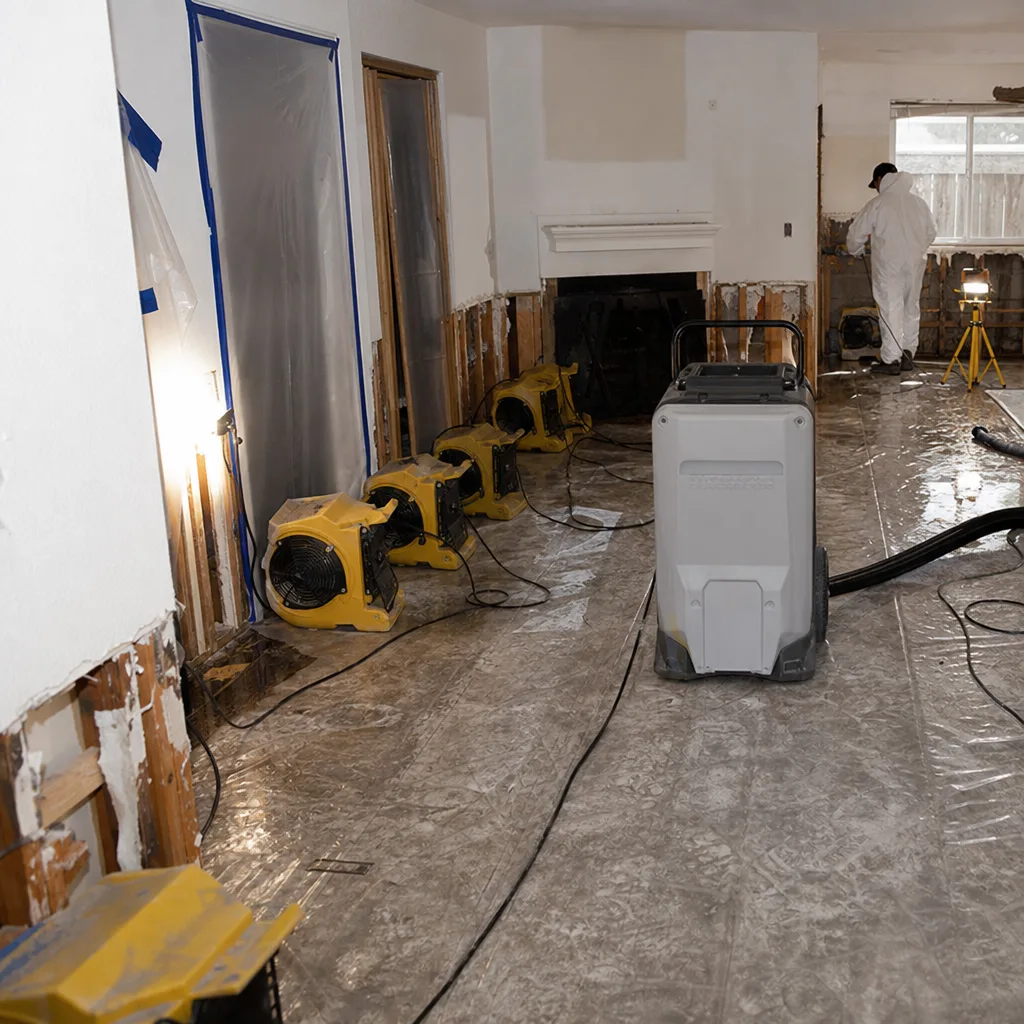
Emergency Water Extraction
When a pipe lets go at 2 a.m. in an Artesia townhome, water doesn’t wait for business hours. Our emergency extraction crews arrive with truck-mounted systems and portable submersibles sized for tight clearances, alley-load entries, and the parking constraints common along Pioneer Boulevard’s commercial-residential corridor. We extract standing water first, then map moisture migration with thermal imaging and penetrating meters. On a recent call near 183rd Street, we found category 2 water had traveled 14 feet from the original break through a shared wall cavity. Catching that early prevented a secondary mold claim and a neighbor dispute.
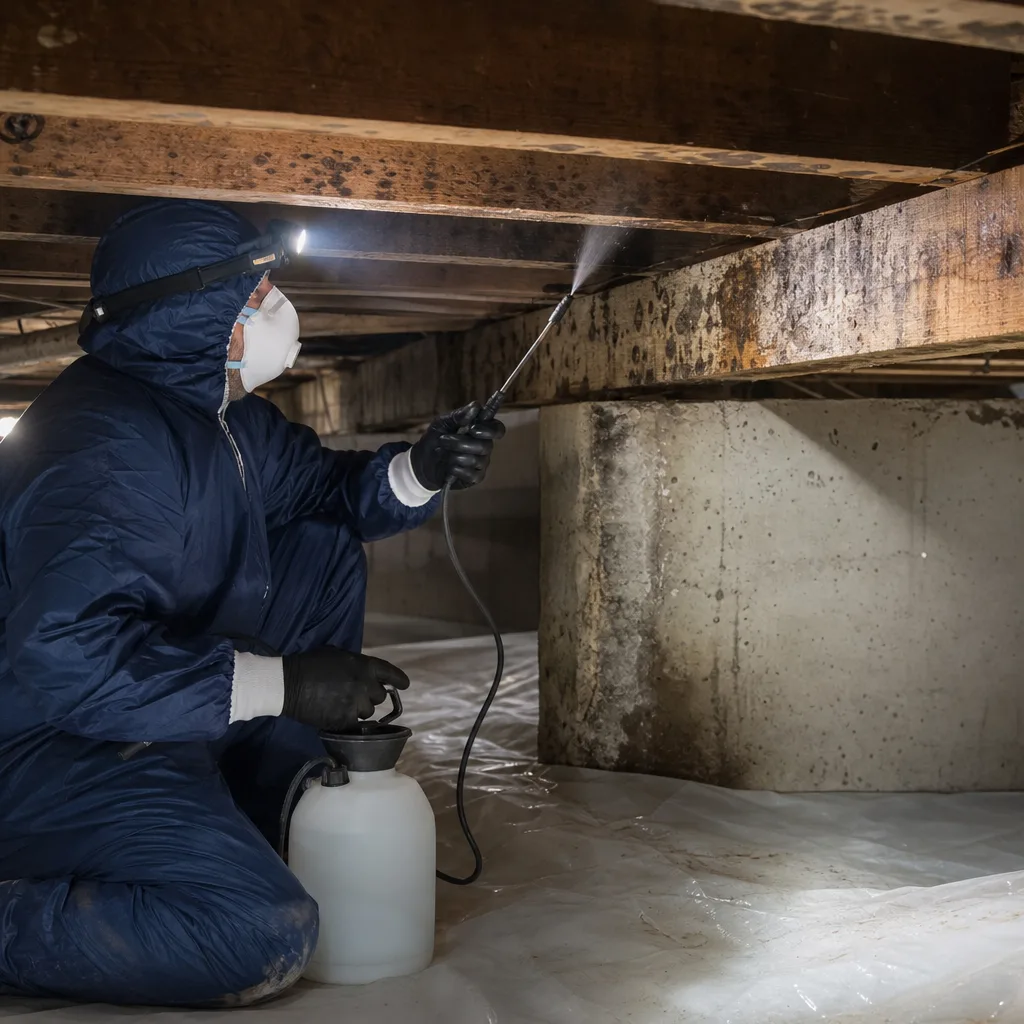
Structural Drying & Dehumidification
Artesia’s slab-on-grade homes demand a different drying protocol than raised-foundation properties. Because the native water table sits so high, we routinely see upward wicking through concrete that keeps moisture readings elevated even after surface water is gone. We deploy Injectidry mat systems for sealed hardwood and tile, Phoenix LGR dehumidifiers for vapor pressure reduction, and XPOWER air movers positioned for psychrometric control. Every day produces a drying log with grain-per-pound readings, relative humidity, and temperature data formatted for direct adjuster submission. Tertiary drying, the final phase where materials reach equilibrium moisture content, often takes longer in Artesia than in Cerritos or La Palma because of that hydrostatic pressure. We don’t call a job done until the numbers prove it.
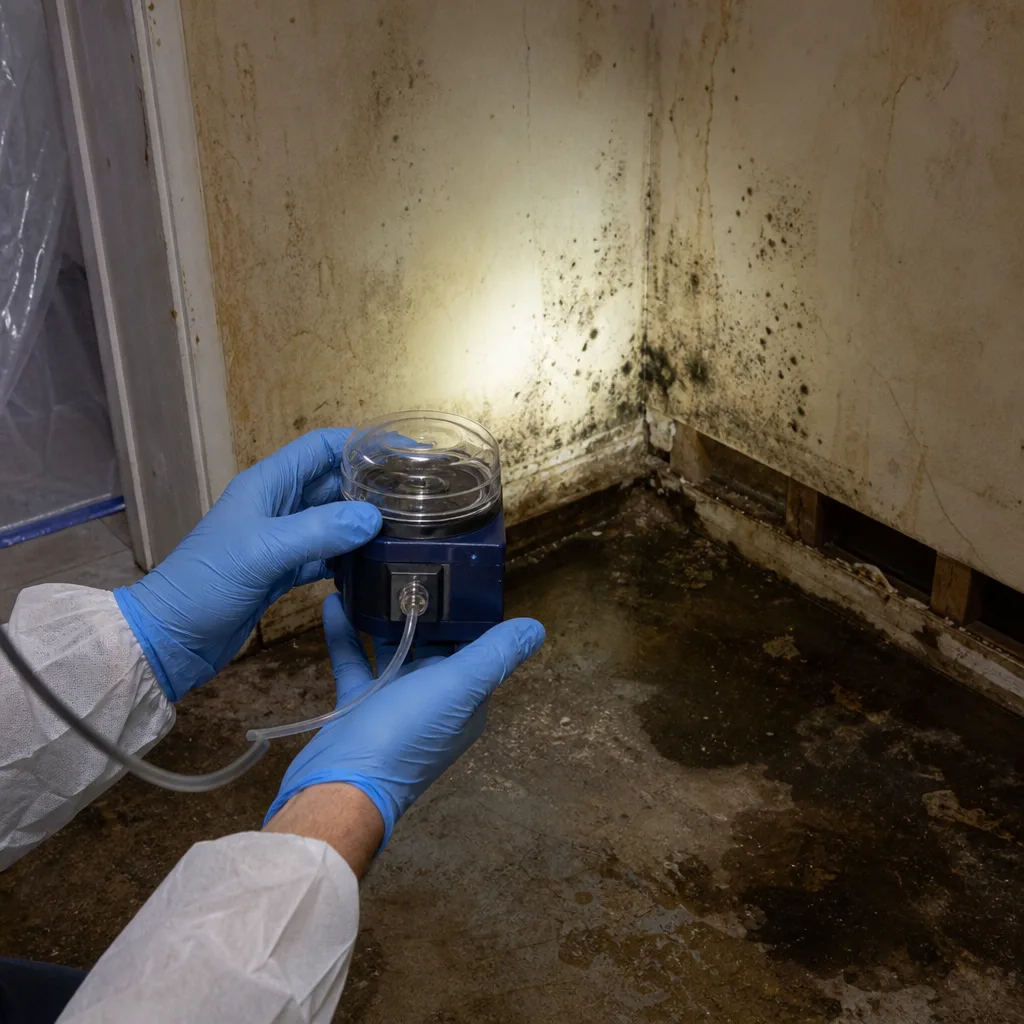
Flood Cleanup
Winter atmospheric-river events overwhelm Artesia’s minimal grade and dense lot coverage, pushing category 2 and 3 water under slabs and through foundation seams. Flood cleanup here isn’t just extraction. It’s contamination classification, affected material removal per IICRC S500 standards, and documentation of pre-existing conditions that adjusters will question. We photograph every room before any demolition begins, catalog every removed item, and deliver a written scope with line-item pricing before reconstruction starts. Haven Standard, Clause 1: written price before work begins. Always.
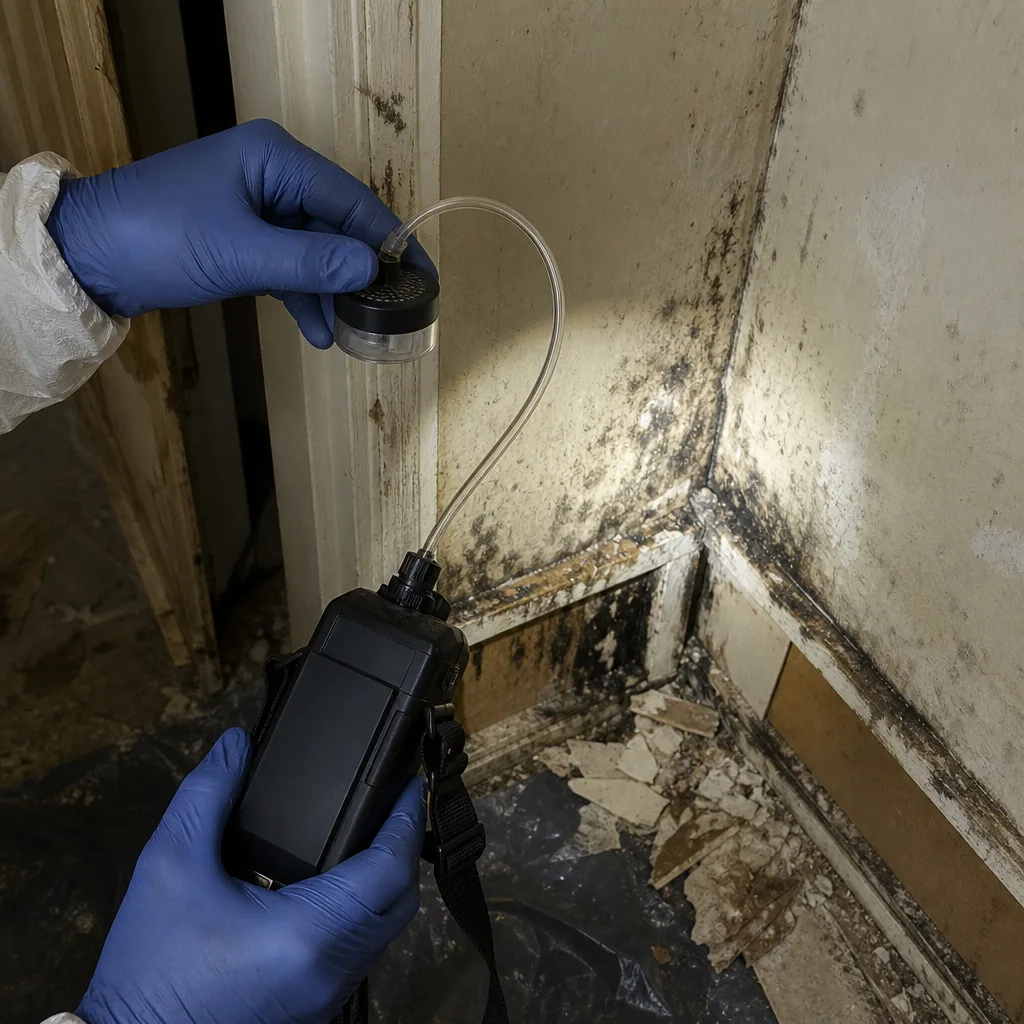
Burst Pipe Restoration
Artesia’s 1950s-1970s tract homes still run original galvanized supply lines in many cases, and the mineral-heavy local groundwater accelerates internal corrosion. A pinhole behind a bathroom wall can release hundreds of gallons before anyone notices, especially in the slab-on-grade construction where water travels horizontally through wall cavities and vertically through the slab. Our burst pipe restoration includes leak-source documentation for insurance, moisture mapping to find the full migration path, and a written repair scope that separates restoration from plumbing repair so your adjuster knows what they’re paying for. We also flag adjacent lines at risk so you’re not calling us back in six months for the same failure mode.
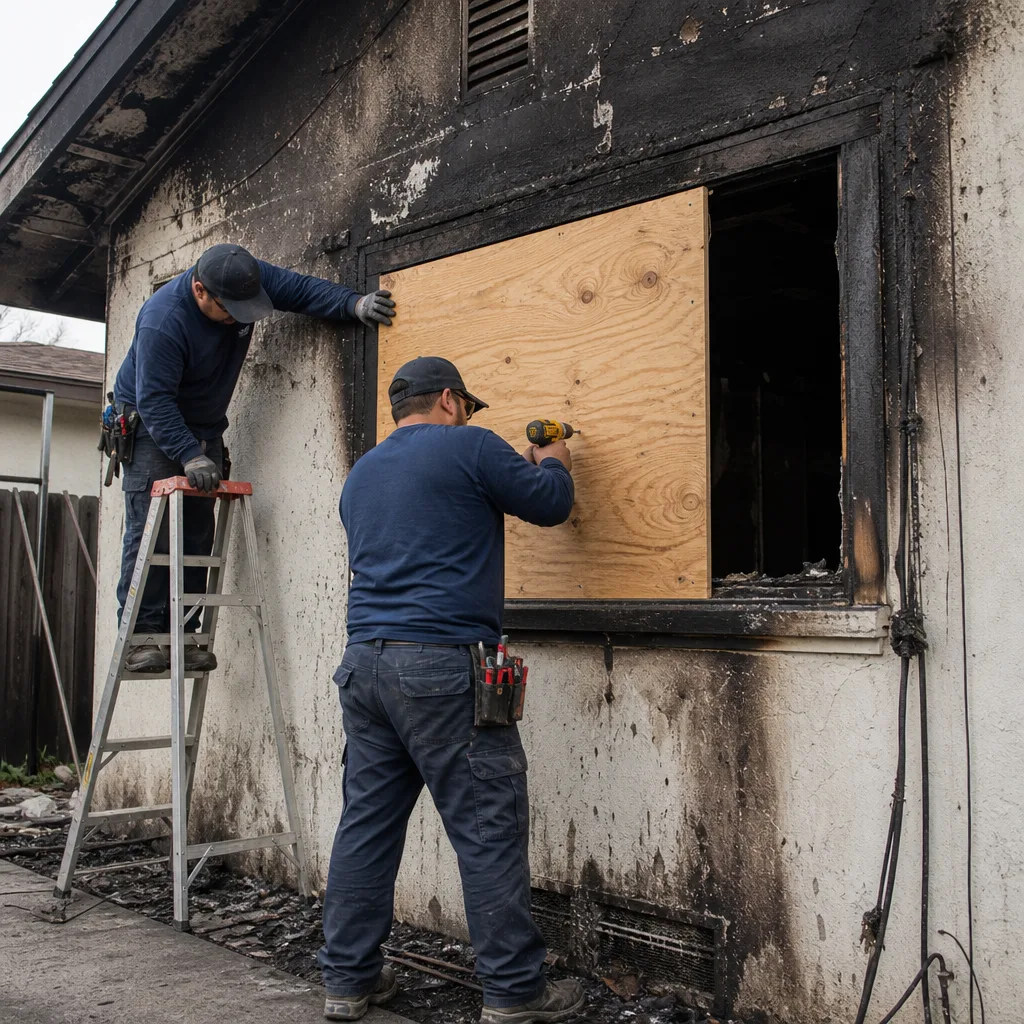
What happens when you call
- 1
A real person answersNo phone trees - you reach a local pro.
- 2
You get an upfront price rangeHonest numbers before anyone is dispatched.
- 3
A background-checked tech heads outLicensed & insured, dispatched right away.
- 4
You approve before work beginsNothing starts until you say go.
 Before
 After
AfterCommon Water Damage Restoration Problems We See in Artesia Homes
- Upward slab wicking from hydrostatic pressure. Artesia’s artesian-well water table creates constant moisture push beneath slab foundations. Crews who dry only the visible wet area miss this entirely, and homeowners discover the problem weeks later when mold appears or flooring fails.
- Galvanized supply line corrosion behind walls. The mineral content in local groundwater speeds internal pipe degradation. Pinhole leaks in these original lines often run for hours before detection, saturating insulation and shared wall cavities in dense Artesia housing.
- Atmospheric-river lot drainage failure. Minimal grade and dense lot coverage mean heavy rain doesn’t sheet away from foundations. Water pools against slabs, enters through seams, and migrates under flooring - sometimes into adjacent units that were never part of the original loss.
- Shared-wall moisture migration in townhomes and duplexes. Artesia’s small footprint and tight lot lines mean water damage rarely stays contained. We routinely find moisture in neighboring units during initial mapping, and early documentation protects everyone involved.
Pricing for Water Damage Restoration in Artesia, CA
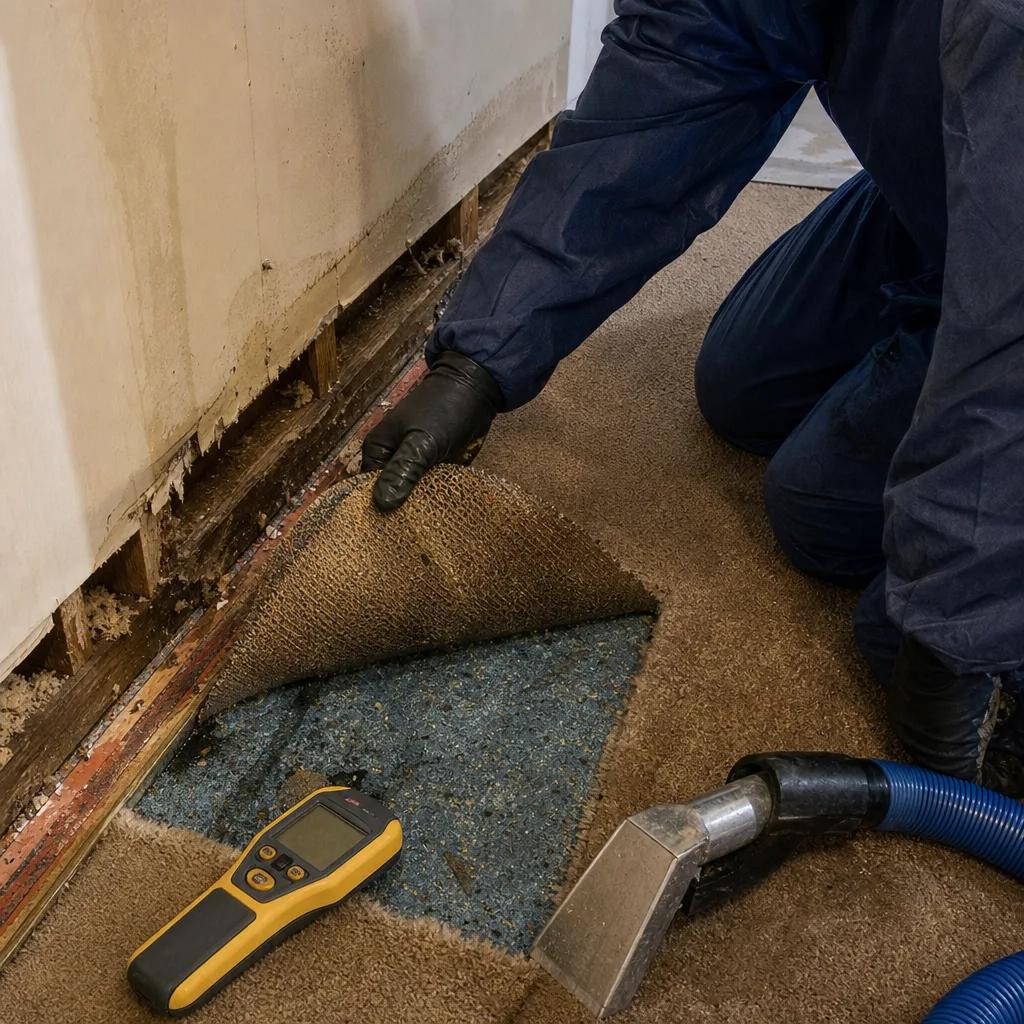
We publish ranges because Haven Standard, Clause 1 requires a written price before work starts, and that price should never arrive as a surprise.
| Service | Typical Range in Artesia |
|---|---|
| Emergency water extraction (up to 500 sq ft) | $950 - $1,400 |
| Structural drying & dehumidification (3-5 day protocol) | $1,200 - $3,200 |
| Flood cleanup with category 2/3 contamination | $2,800 - $5,500 |
| Burst pipe restoration with wall/ceiling repair | $3,500 - $6,500 |
| Basement water removal (where applicable) | $1,800 - $4,200 |
Factors that move Artesia jobs toward the higher end: slab-on-grade construction requiring extended drying protocols, hydrostatic wicking beyond the visible damage zone, category 3 contamination requiring full material removal, and shared-wall migration into adjacent units. Every estimate is free, every scope is written, and we offer a Free Second Opinion on any competitor’s written estimate. Call (562) 373-6757.
We Also Serve Cities Near Artesia
Our crews respond daily across southeast Los Angeles County, including Water Damage Restoration in Artesia and neighboring Cerritos, La Palma, Norwalk, and Bellflower. Each city presents different subsoil conditions, housing stock, and failure modes. Cerritos sits on drier ground with deeper fill, so slab wicking is less common. La Palma’s newer construction uses copper or PEX supply lines, reducing burst pipe frequency. We adjust our drying protocols and documentation accordingly, because a restoration invoice that ignores local geology is an invoice an adjuster questions.
Serving Artesia, CA - Our Local Coverage Area
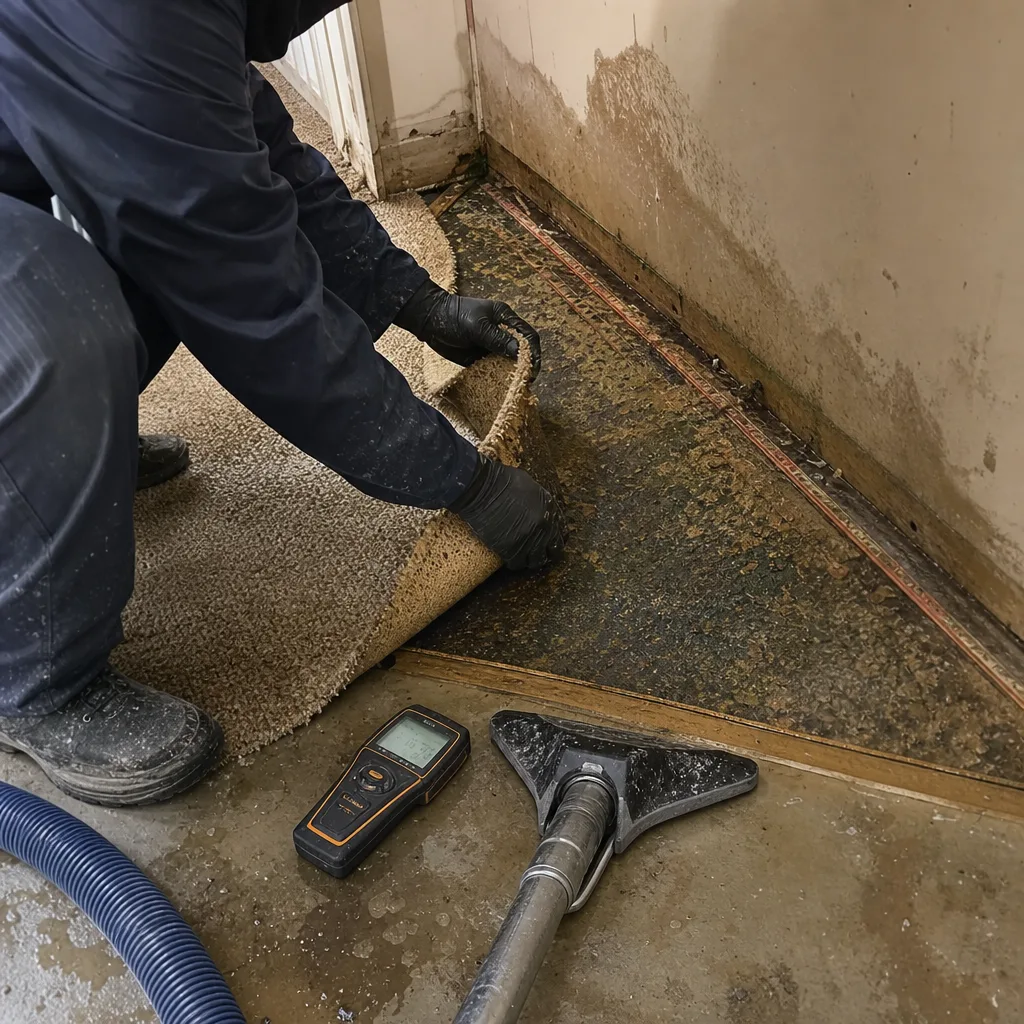
We’re based in the Artesia area and know this community well. Use the map below to see our service coverage - if you’re nearby, we can almost certainly help.
FAQs - Water Damage Restoration in Artesia
Artesia sits directly above one of the highest natural water tables in the southeast LA Basin, a legacy of the artesian wells that gave the city its name in the 1880s. That constant hydrostatic pressure pushes moisture upward through slab-on-grade concrete in ways that drier-subsoil Cerritos, just a few miles east, rarely experiences. Our moisture mapping on Artesia jobs almost always finds elevated readings at the slab perimeter even when the original water source was a burst pipe or roof leak. Call (562) 373-6757 and we’ll show you the readings before any work starts.
Yes, and it’s a risk we document on nearly every Artesia call from that era. The mineral-heavy local groundwater accelerates internal corrosion of galvanized steel, producing pinholes and split seams that fail without warning. We’ve responded to three such failures on the same block in Artesia within a single winter. If your home still has original galvanized supply lines, we recommend a plumbing inspection separate from restoration work, and we document pre-existing corrosion for your adjuster whenever we find it. Call (562) 373-6757 for a free assessment.
It’s flood cleanup, but with a critical documentation distinction. When atmospheric-river rain overwhelms lot drainage and pushes water under your slab, the resulting damage is typically classified as groundwater intrusion, which many policies handle differently than sudden and accidental discharge from a plumbing system. We photograph the exterior drainage failure, document the foundation entry points, and classify the water category before any extraction begins. That documentation protects your coverage position. Call (562) 373-6757 for same-day assessment.
We deploy Injectidry mat systems for sealed floor drying, Phoenix LGR dehumidifiers for vapor pressure differential control, and XPOWER axial air movers positioned for complete room circulation. On slab homes with confirmed hydrostatic wicking, we may add supplemental heat or negative air pressure at the slab perimeter to accelerate equilibrium drying. Every piece of equipment is logged by serial number, run-time, and daily moisture readings. The resulting drying log is formatted for direct insurance submission. Call (562) 373-6757 for specifics on your property.
At 48 hours, mold is a probability, not yet a certainty. In Artesia’s climate, with ambient humidity and slab moisture contributing, we typically find active mold growth on organic materials like drywall paper and carpet padding by day 3-5. If you’re at the two-day mark, emergency water extraction is still the priority, but we add antimicrobial treatment to all affected surfaces and increase dehumidification capacity to slow biological activity. We also document pre-existing microbial conditions with photos so your adjuster can distinguish flood-related growth from prior issues. Call (562) 373-6757 immediately - every hour matters for salvageability.
Written by Alicia Brennan, Owner at Back to Dry Restoration, serving Artesia since 2011.
Water Damage Restoration in Nearby Areas