
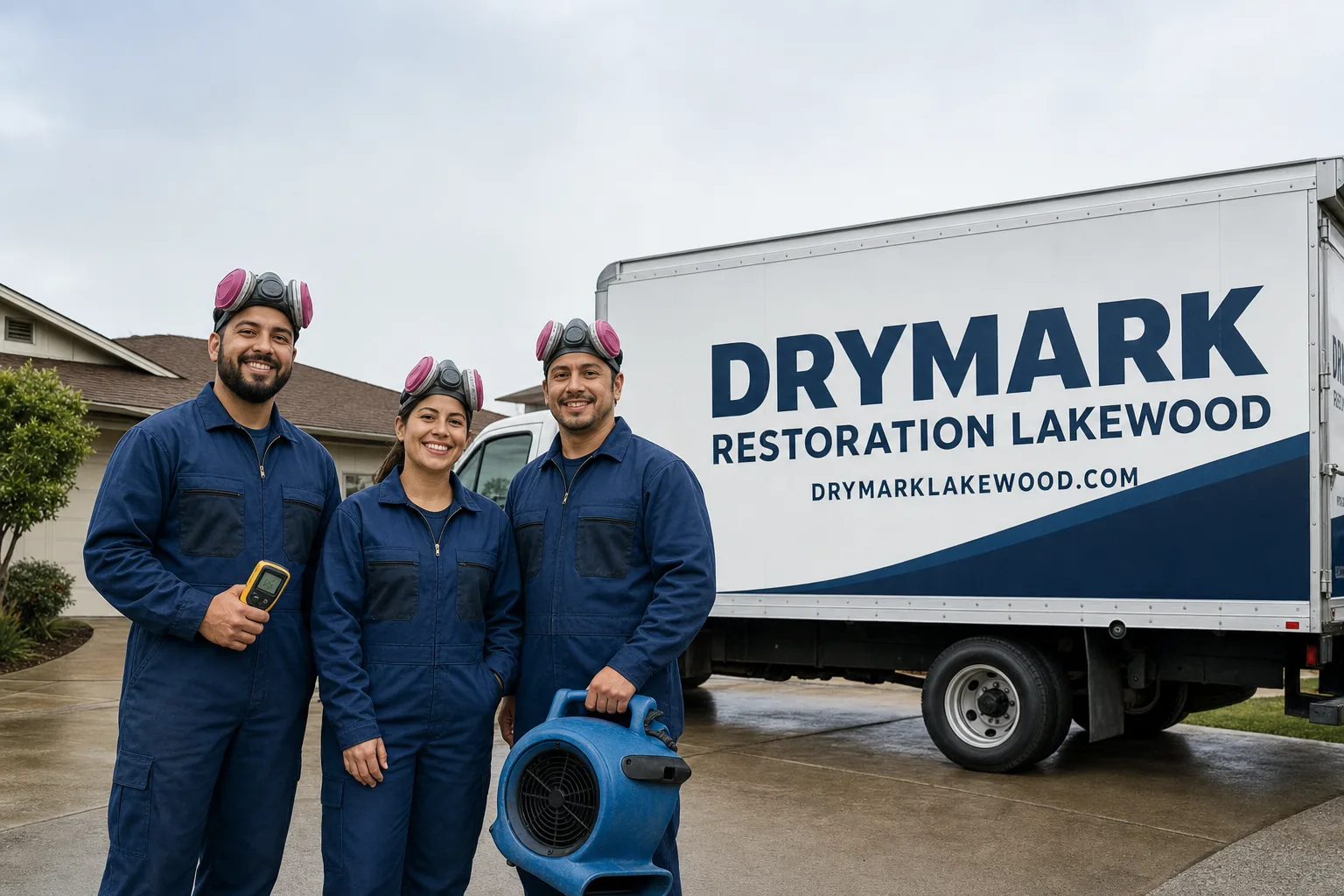
Free visual inspection and a written scope of work before any mitigation begins - photos, moisture readings, and drying logs go in your claim file
The scope we write is the scope we bill. Anything new gets shown to you, in writing, before we touch it.
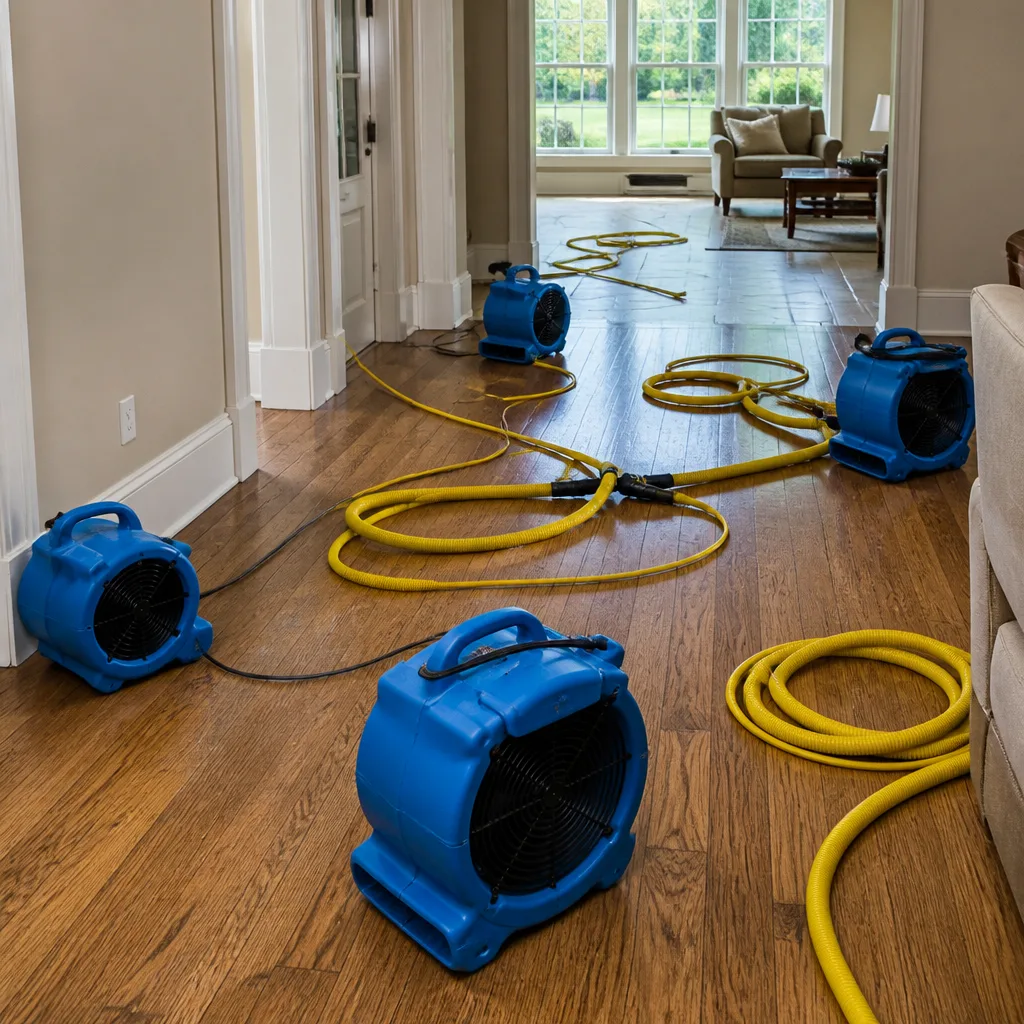
 Before
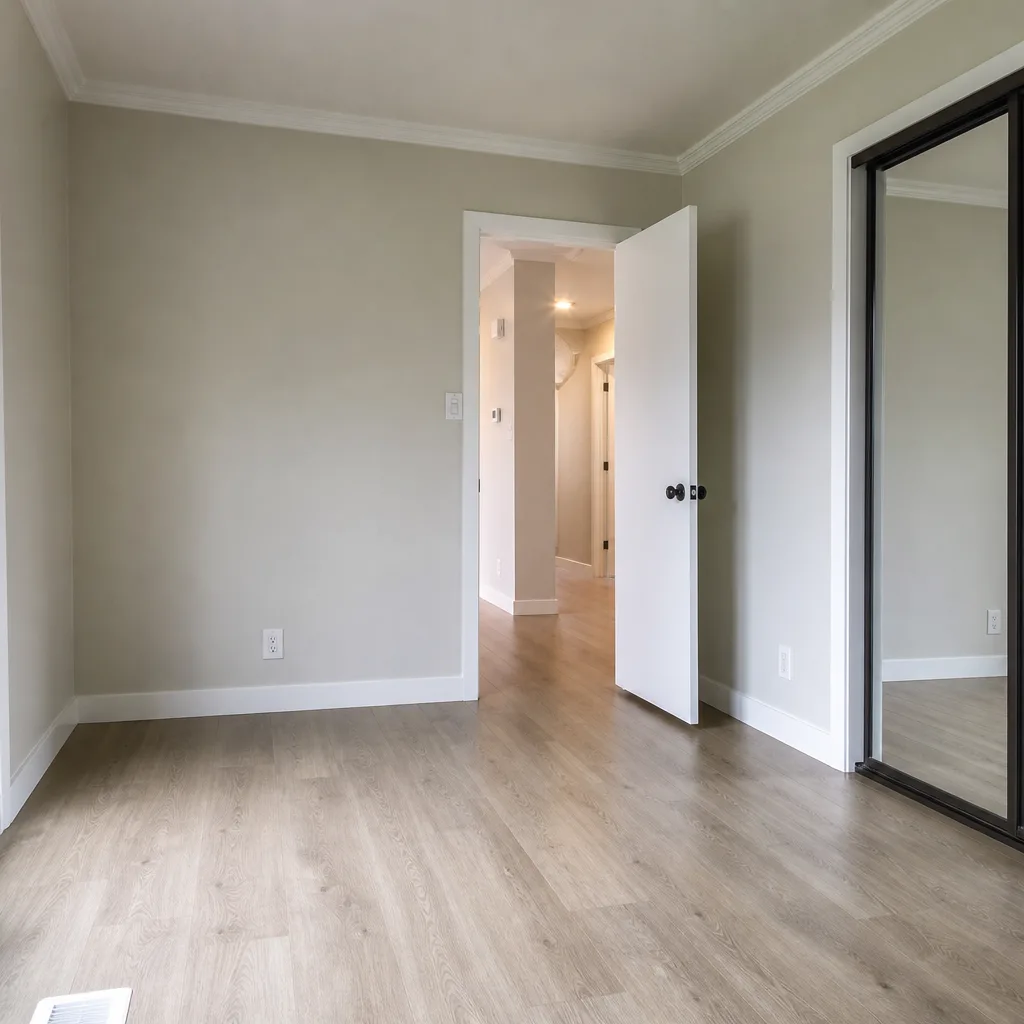 After
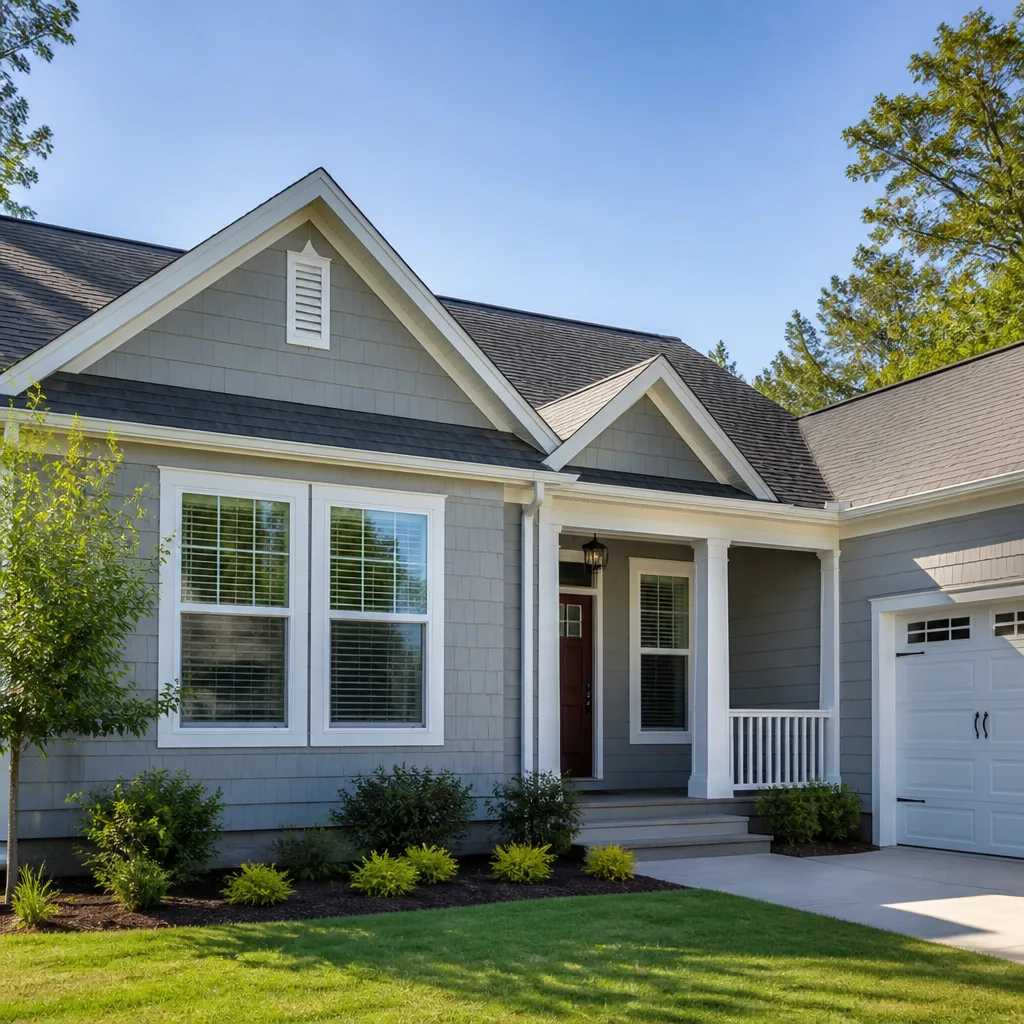
After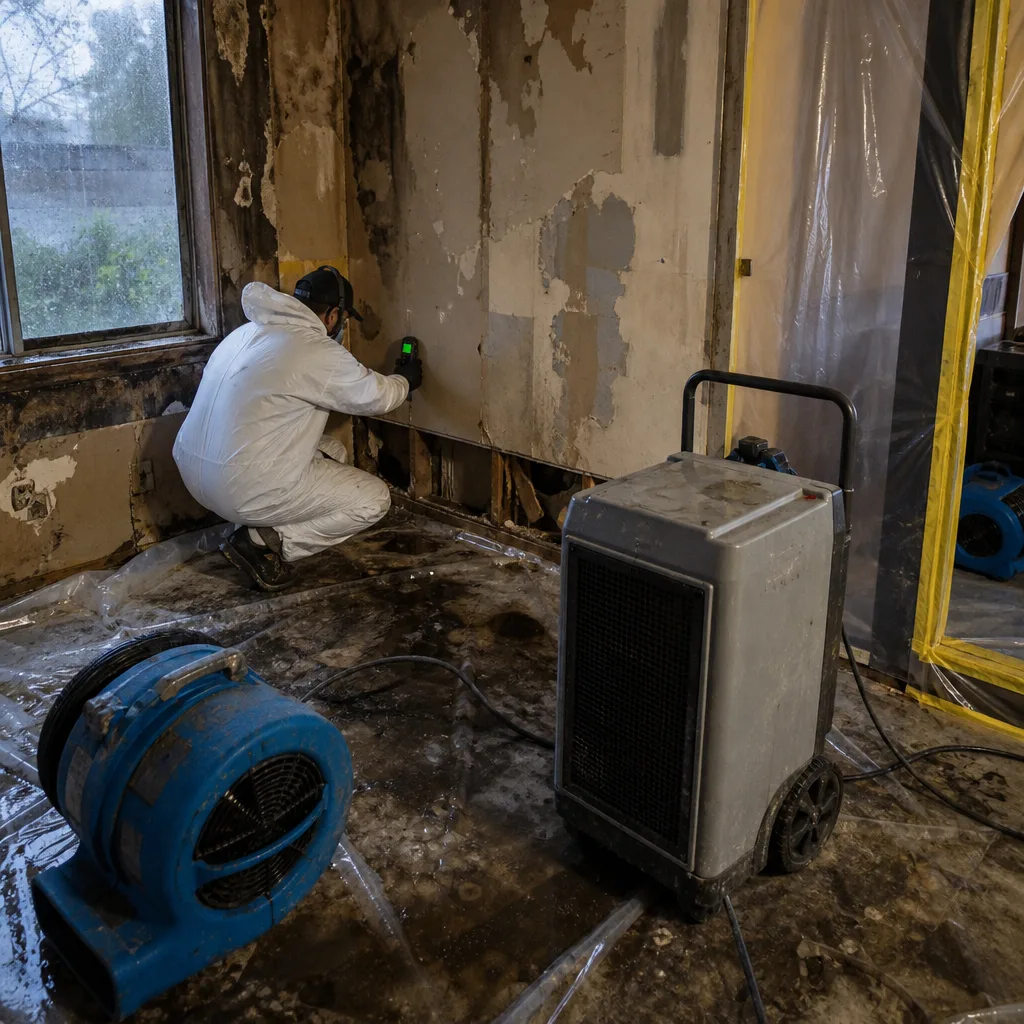 Before
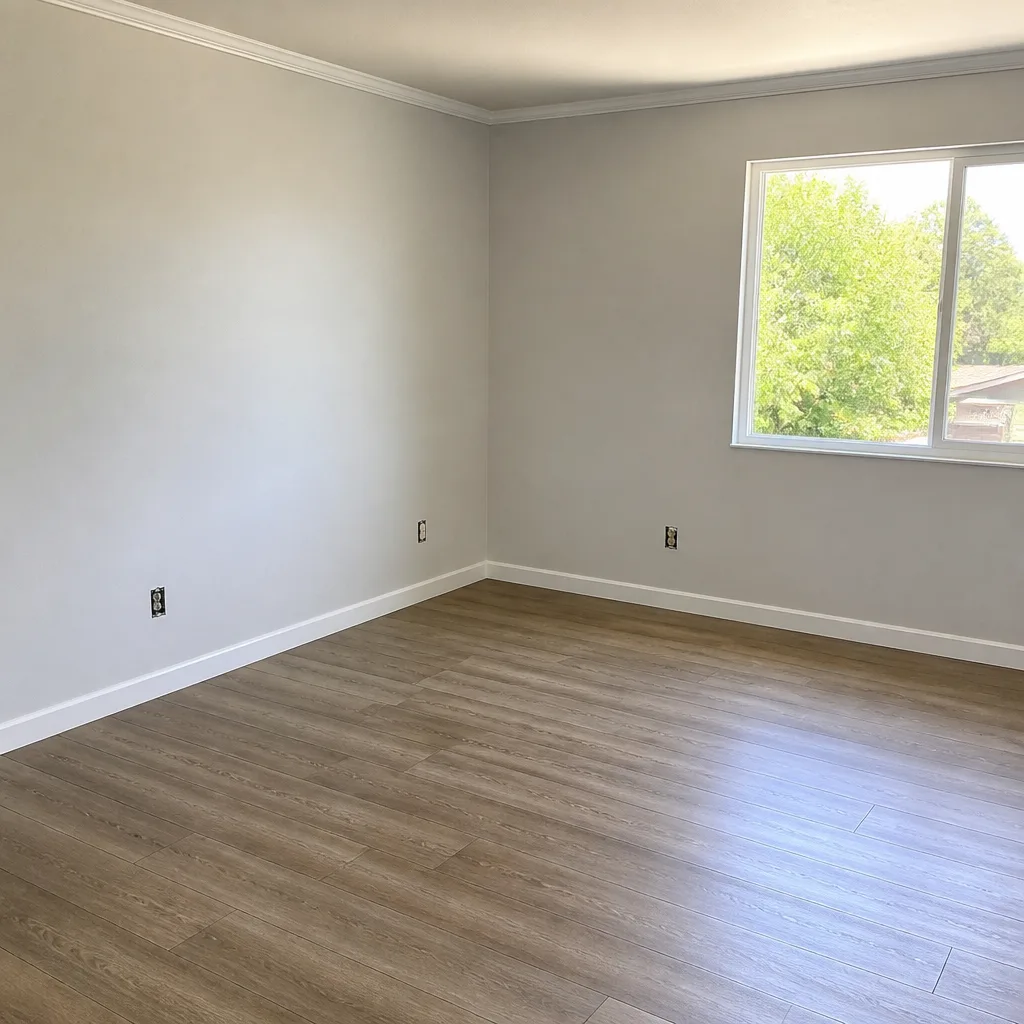 After
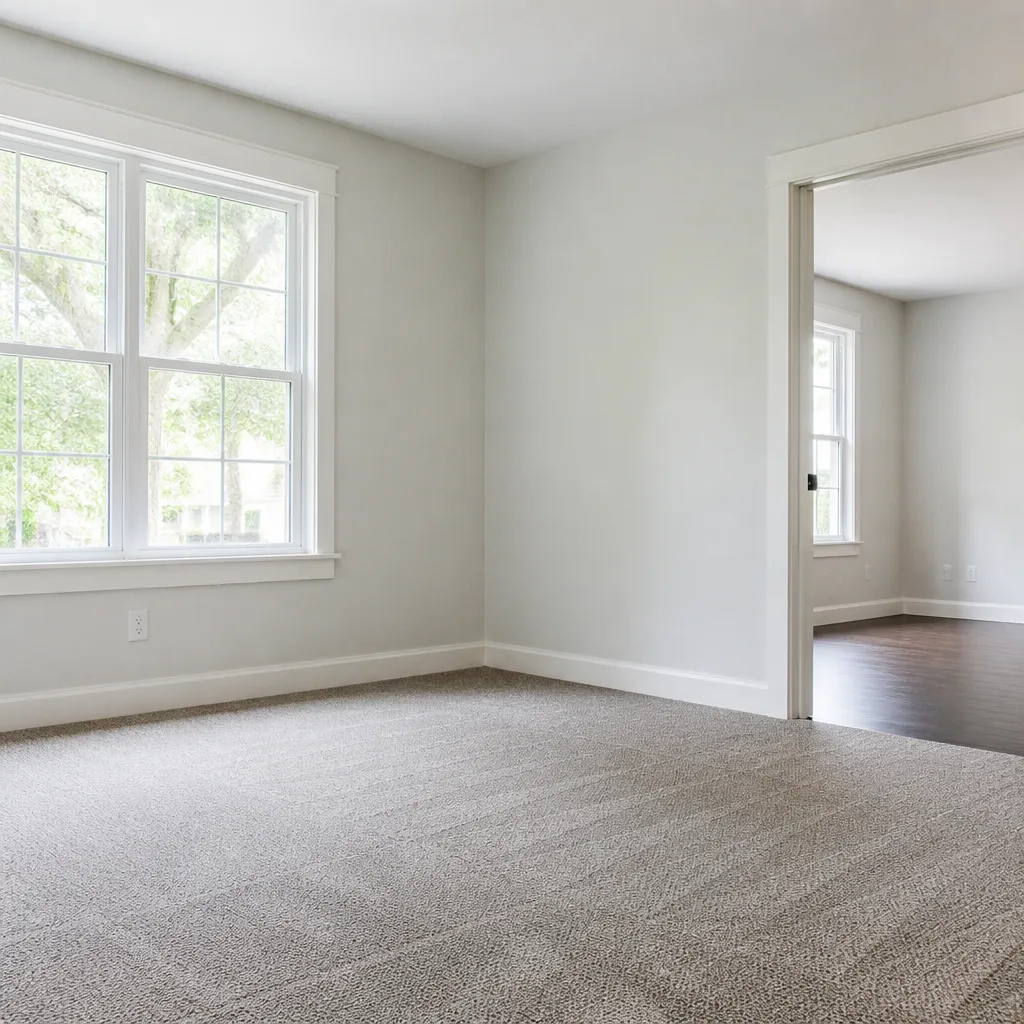
After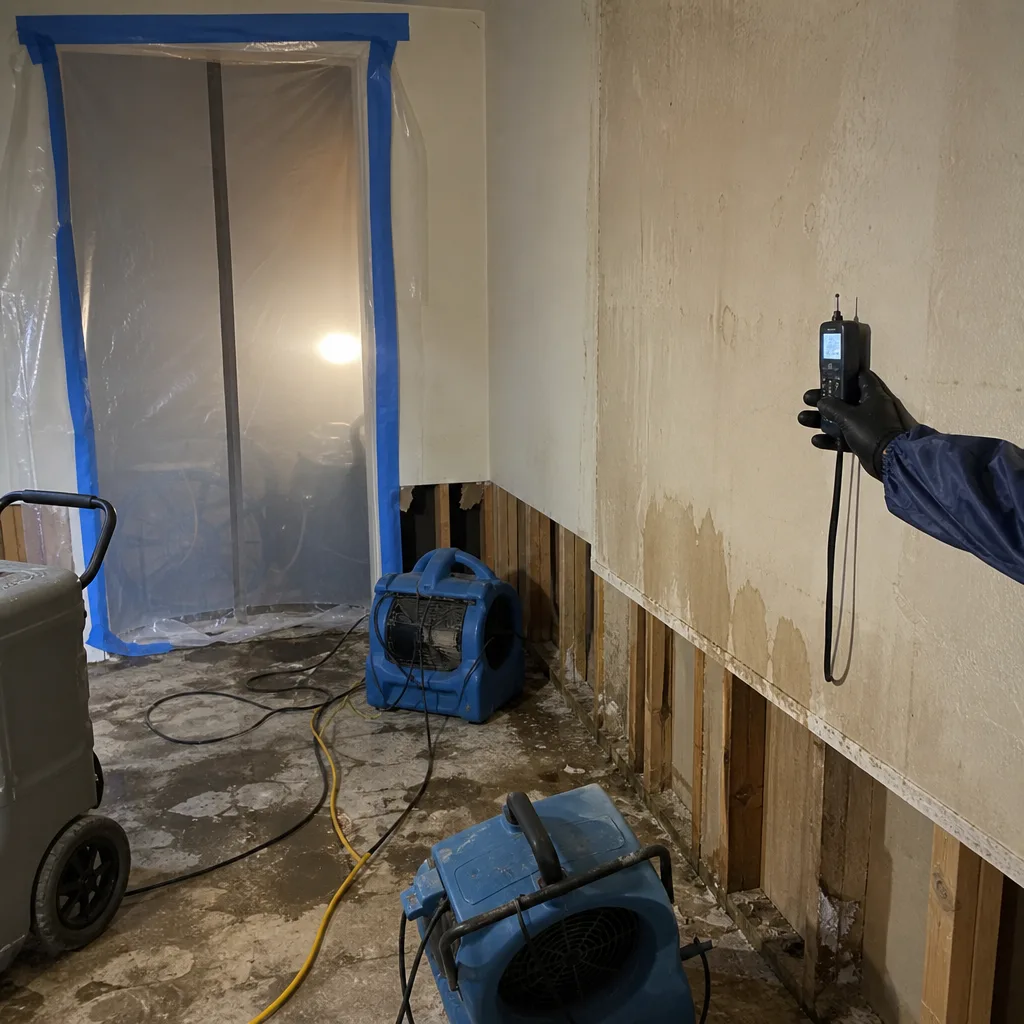 Before
 After
AfterFast, Reliable Water Damage Restoration Across Compton
Water damage restoration in Compton typically runs $2,800-$7,500 for a standard residential mitigation, with emergency water extraction and structural drying completed within 24-72 hours. Our crews dispatch from the Los Angeles office and reach Compton properties in under 45 minutes during storm events, carrying ATP testing kits and California DPH-compliant containment gear because we’ve learned that what looks like clean water here often isn’t.
We’ve worked the streets off Alondra Boulevard, the neighborhoods near the Dominguez Channel, and the stucco-home blocks between Rosecrans Avenue and Compton Boulevard long enough to know the pattern: flat clay soils, pre-1978 construction, and combined-sewer surcharging turn routine rain intrusion into Category 3 remediation jobs that out-of-area crews mishandle. Our Water Damage Restoration team documents every moisture reading, every photo, and every written scope under The Haven Standard so your insurer pays the claim without a fight. Call (562) 373-6757; a live person answers, 24 hours a day, 7 days a week.
Why DryMark Restoration Lakewood Is Compton’s Preferred Water Damage Restoration Company
We’ve restored water-damaged homes in Compton since 2011, and our file on this city is thick: 12,000+ homes across our service area, every one with a written price before work started, a photo record on every visit, and a 365-Day Done Right Promise stamped on the invoice. Alicia Brennan founded Back to Dry after working claims adjustment and watching homeowners lose tens of thousands to sloppy documentation. That origin is why we operate the way we do.
Compton customers find us because they read the three-star reviews on every company they’re considering, and they notice the ones that mention crews who showed up without moisture meters or left before documenting pre-existing conditions. We don’t get those reviews. Our technicians are background-checked, uniformed, and named on the work order; the license number is on the page and on the truck. Live dispatch, no voicemail trees, no next-business-day callbacks while water is still wicking into drywall.
Our response time to Compton averages under 45 minutes during storm events because we stage equipment and crews with knowledge of which intersections flood first and which neighborhoods lose power. We know the difference between a slab-on-grade stucco home near the Dominguez Channel and a newer build on higher ground, and we bring different protocols for each. That local specificity is what turns a restoration invoice into a paid claim.
Our Water Damage Restoration Services in Compton
Emergency Water Extraction
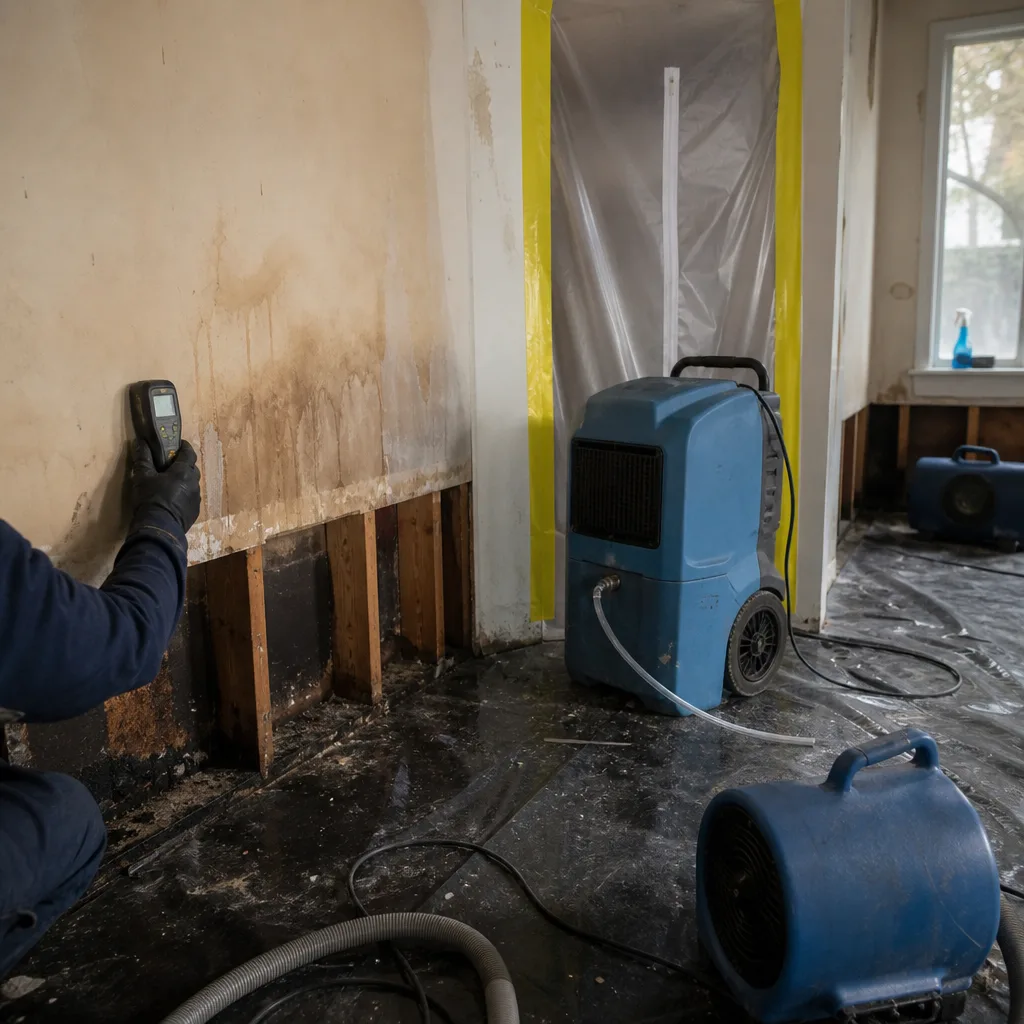
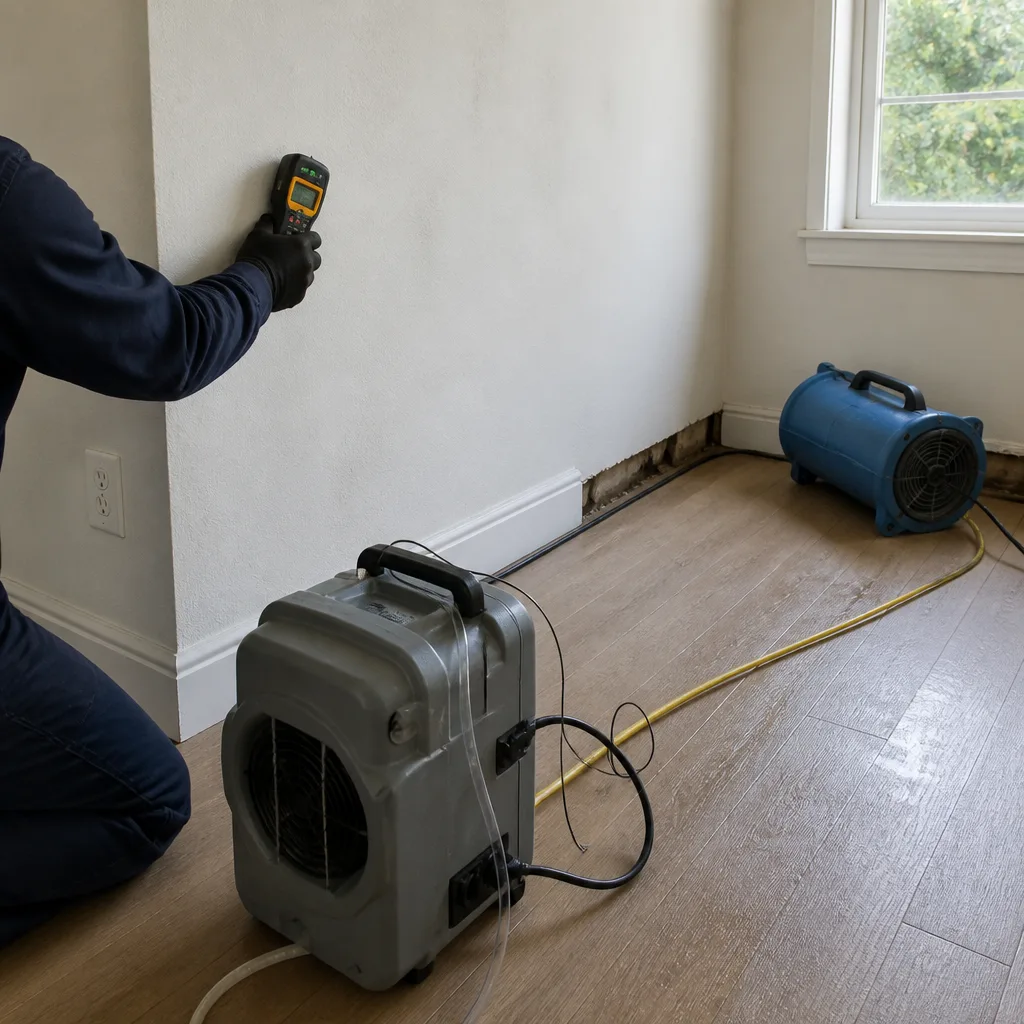
When a burst pipe or storm breach floods a Compton home, we extract standing water within hours, not days. Our truck-mounted extraction systems handle Category 1 through Category 3 losses, and we ATP-test every job near the Dominguez Channel before declaring water “clean.” After a January storm cell pushed through the Compton area near the Dominguez Channel, we were dispatched to a slab-on-grade stucco home off Alondra Boulevard where an aluminum-framed patio door had failed under wind load, letting driven rain wick straight into the wall cavity and the original 1950s asphalt floor tile. Our tech pulled moisture readings with a Tramex meter and moisture mapping across the slab; ATP swabs came back hot, so we reclassified the loss to Category 3, set containment, and ran Dri-Eaz air movers and Phoenix dehumidification for a full structural drying cycle with antimicrobial treatment before any rebuild. Written price before work began, per Haven Standard, Clause 1.
Structural Drying & Dehumidification
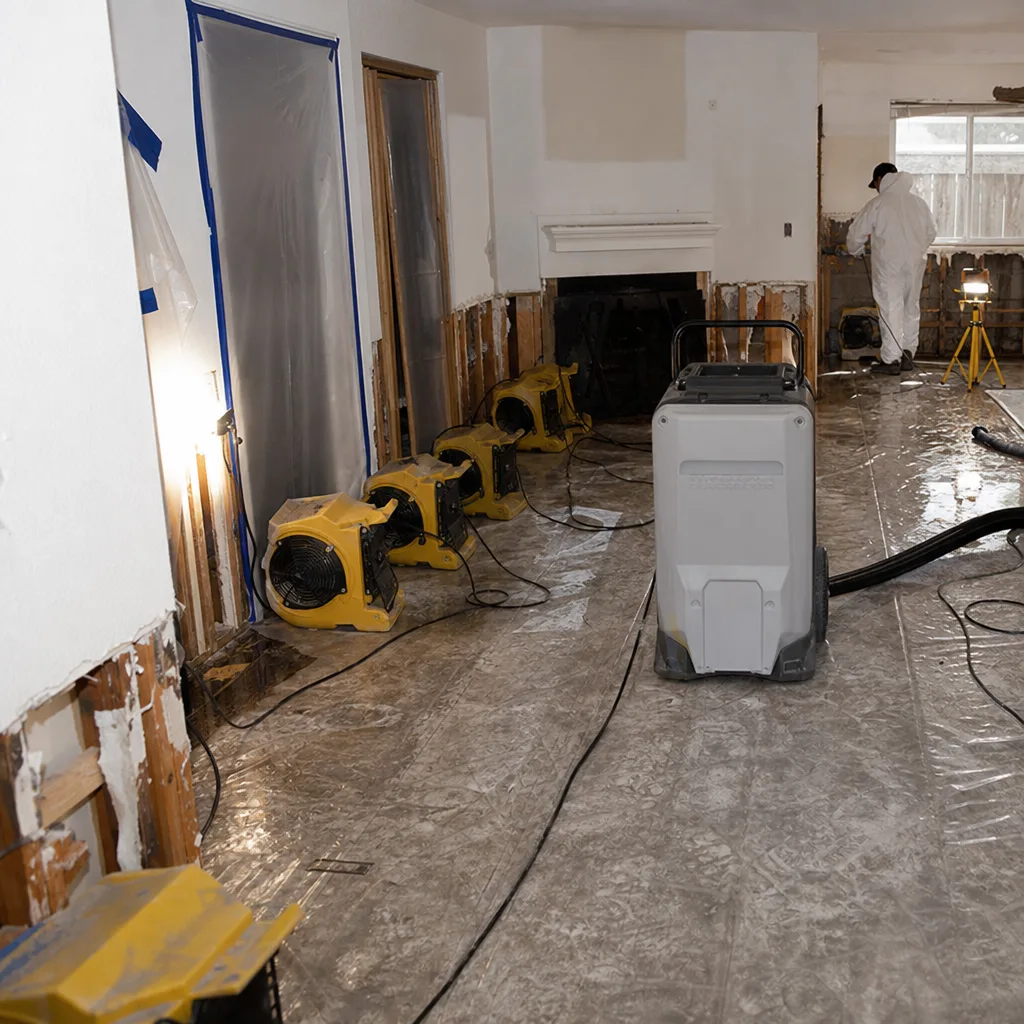
Compton’s slab-on-grade construction means moisture doesn’t pool in basements; it wicks horizontally through concrete and into flooring systems, hiding from visual inspection. We deploy Injectidry mat systems for hardwood and tile, XPOWER and B-Air axial fans for open-cavity drying, and Phoenix LGR dehumidifiers sized to the psychrometric load. Every job gets daily moisture logs: specific grains per pound, vapor pressure differential (the force that drives moisture from wet materials into dry air), and target equilibrium moisture content for each material class. These logs are your insurance documentation. Without them, adjusters deny secondary damage claims.
Flood Cleanup
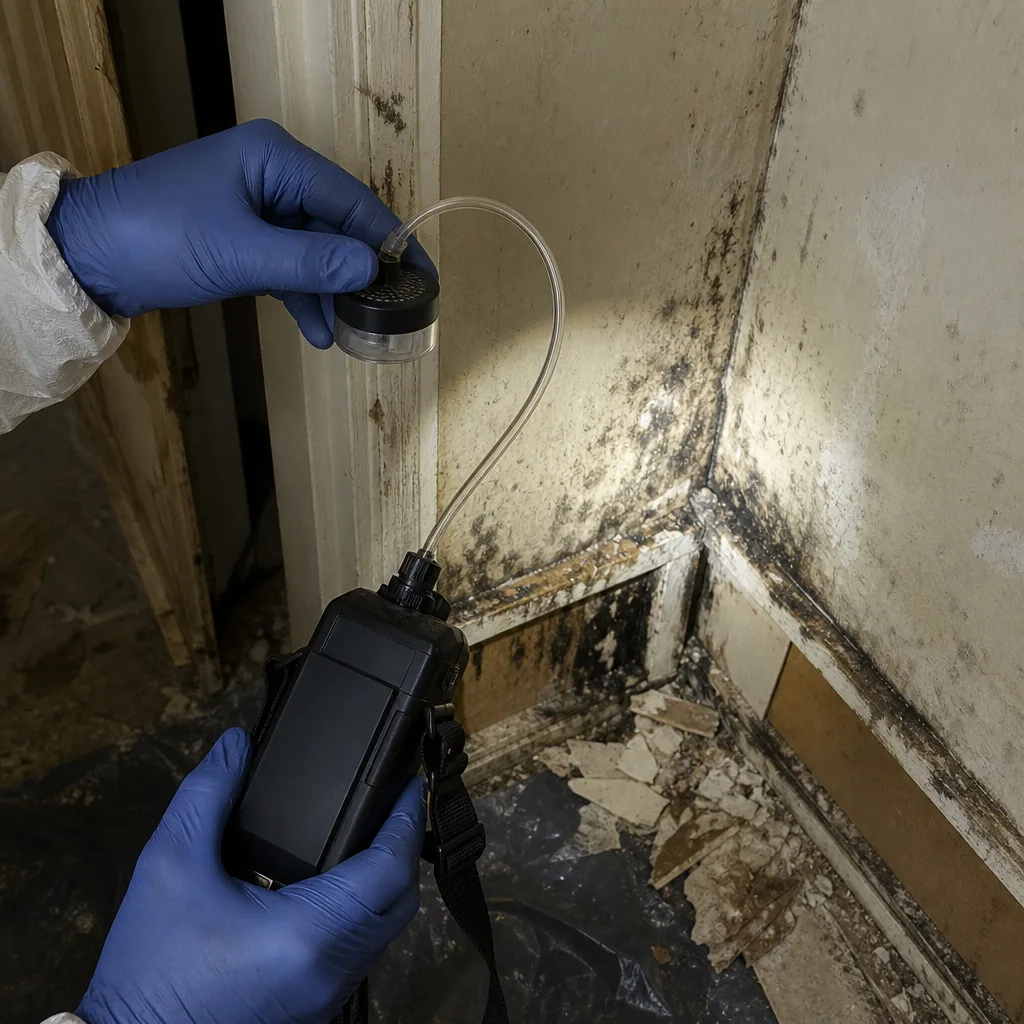
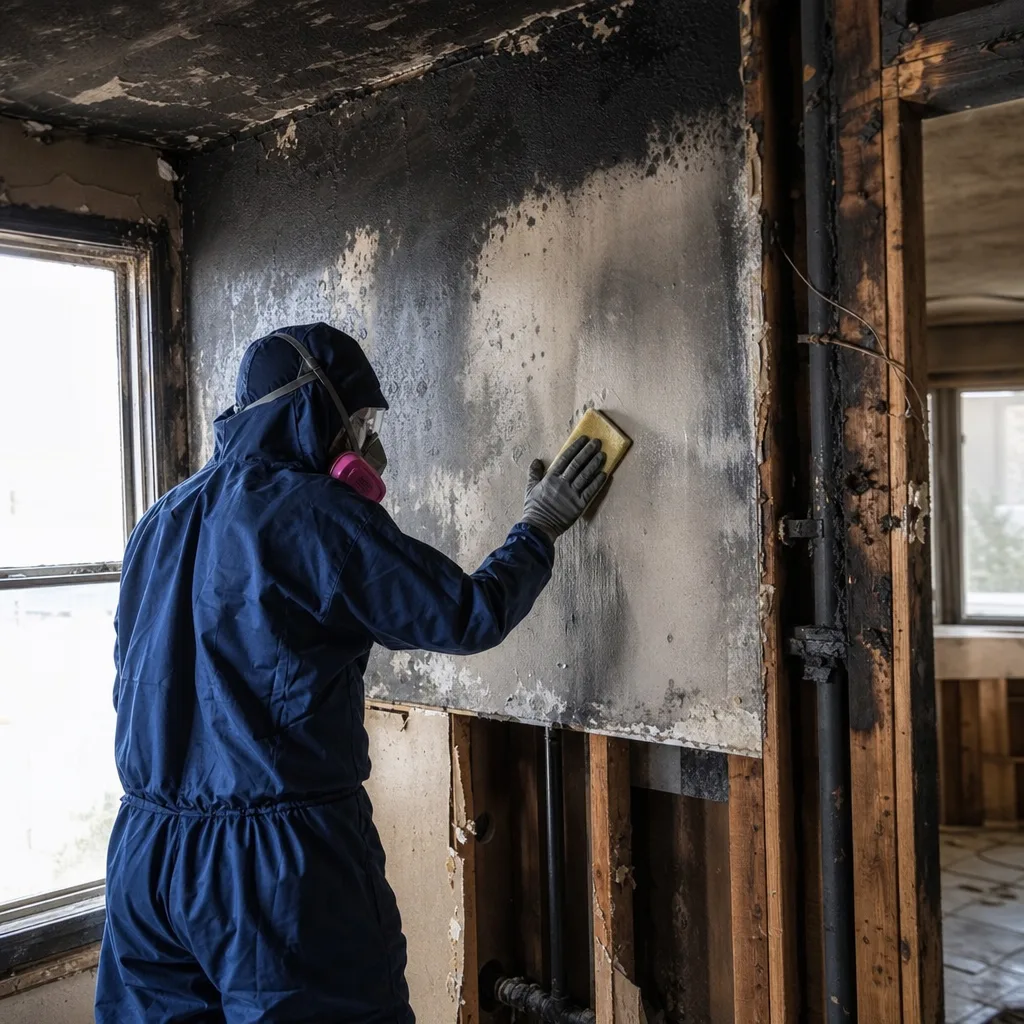
Flood cleanup in Compton carries a complication newer suburbs don’t face: the 1940-1965 housing stock was built with asphalt floor tile containing asbestos and lead-based paint on stucco and trim. California law mandates testing before any demolition that disturbs these materials. Crews that skip this step to “save time” turn a water mitigation into a stop-work order from the Department of Public Health. We test first, document the chain of custody, and build abatement into the written scope if needed. Near the Dominguez Channel, we also test for sewage contamination because combined-sewer surcharging during storm events is documented and predictable. The flat topography and heavy clay soils pool water against foundations for days after rain stops, so our flood cleanup includes slab moisture mapping that other crews skip.
Burst Pipe Restoration
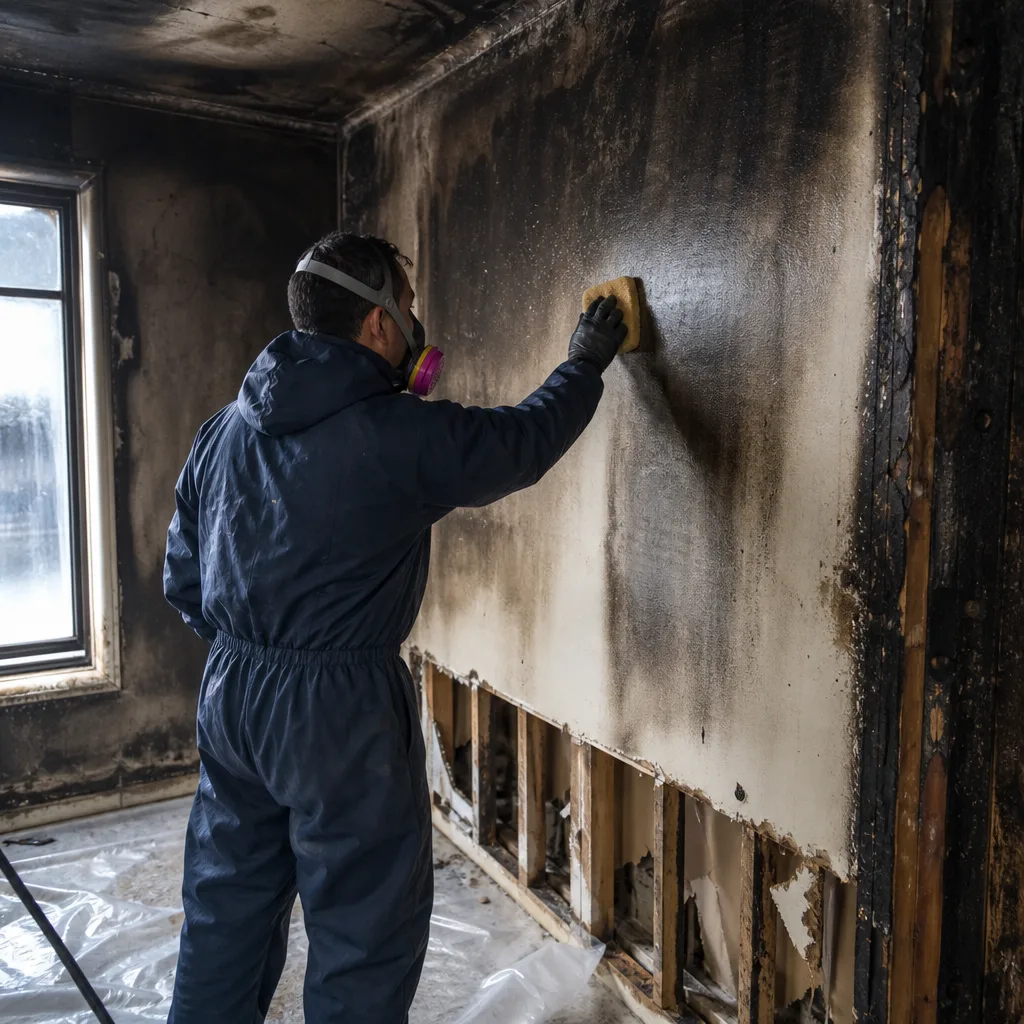
Original galvanized plumbing in Compton’s post-WWII housing stock fails from the inside out, and the first sign is often water damage, not a visible leak. We locate the breach, document the line material and condition for your insurance file, extract the water, and dry the structure before any plumber replaces the pipe. The critical step: moisture mapping behind walls where the leak ran longest, because undetected cavity moisture becomes mold in 48-72 hours in Compton’s mild winter temperatures. Our written scope specifies exactly which cavities are opened, which are dried in place with Injectidry hoses, and which materials are non-salvageable. No scope creep once the crew is inside. Haven Standard, Clause 1.
What happens when you call
- 1
A real person answersNo phone trees - you reach a local pro.
- 2
You get an upfront price rangeHonest numbers before anyone is dispatched.
- 3
A background-checked tech heads outLicensed & insured, dispatched right away.
- 4
You approve before work beginsNothing starts until you say go.
 Before
 After
AfterTrusted Brands We Service in Compton
We don’t sell equipment, but we deploy it, and the brands matter for your drying timeline and your insurance documentation. Our Compton crews carry Phoenix LGR dehumidifiers, XPOWER and B-Air axial and centrifugal air movers, and Injectidry interstitial drying systems for hardwood and tile over slab. These units produce the psychrometric data, the grain depression readings, and the daily logs that IICRC, RIA, and IFA standards require and that adjusters recognize. We maintain and calibrate our own fleet; no rental equipment with unknown hour meters or missing filters. For Compton homeowners, this means predictable drying curves and documentation that holds up under adjuster review.
Common Water Damage Restoration Problems We See in Compton Homes
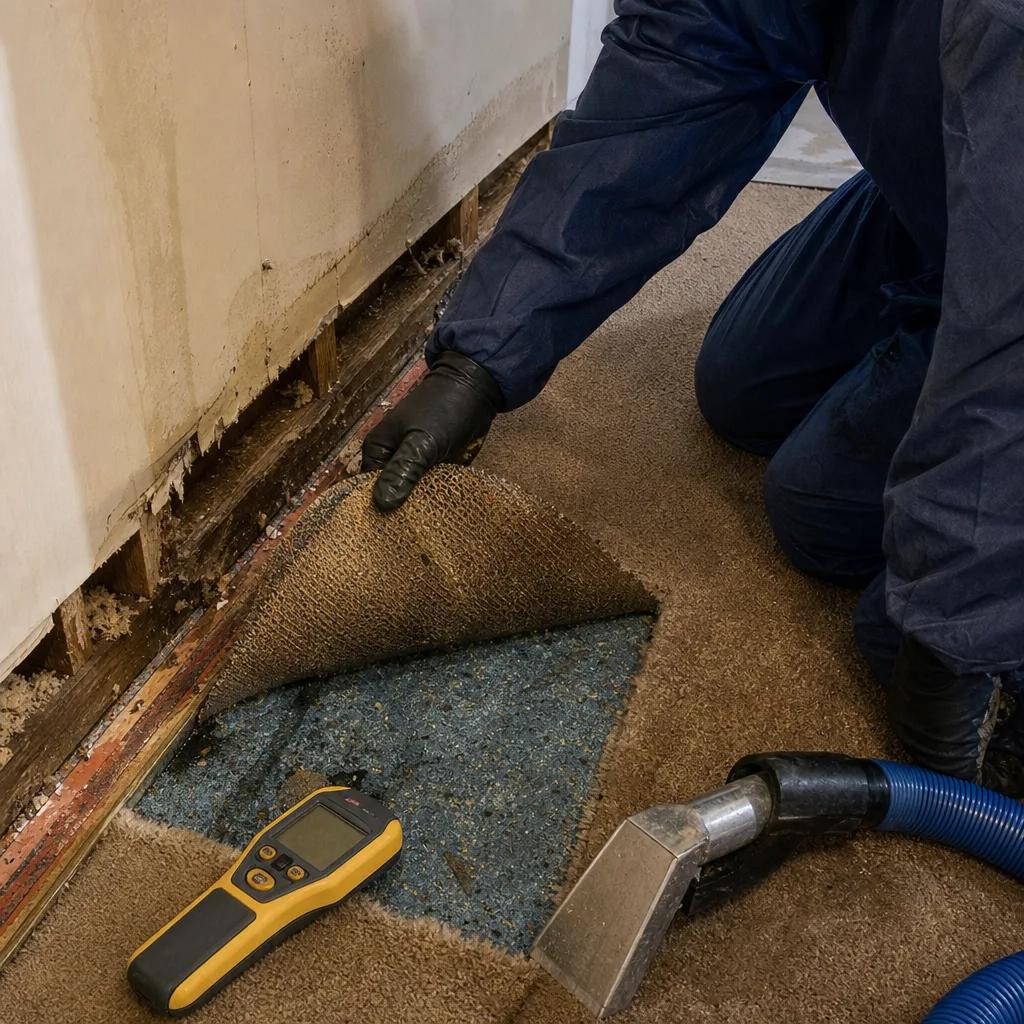
- Pre-1978 lead and asbestos triggers on every stucco demo job. Compton’s housing stock is overwhelmingly pre-1978, meaning water damage that requires removing drywall, flooring, or ceiling material legally requires CA-certified testing first. Crews that demo first and test later create liability that insurers won’t cover and that can halt a job for weeks.
- Category 1 water reclassified to Category 3 after ATP testing near the Dominguez Channel. The aging combined sewer infrastructure in this part of LA County surcharges into low-lying properties during storm events. A job that arrives looking like clean rain intrusion tests positive for coliform or elevated ATP, requiring full containment, contents disposal, and antimicrobial treatment under California DPH protocols instead of standard drying.
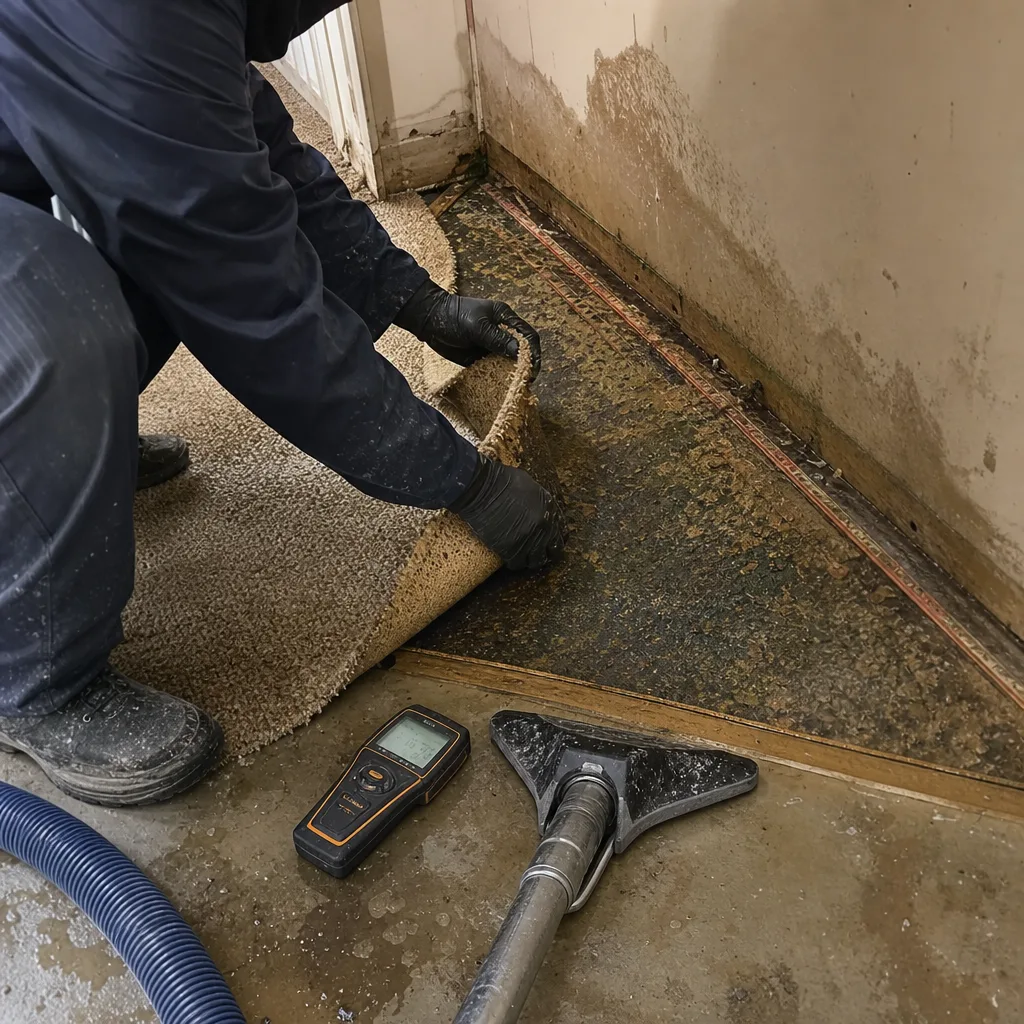
- Slab wicking missed because there’s no basement to inspect. Compton’s flat topography and heavy clay soils pool stormwater against slab foundations, and moisture travels horizontally under flooring. Techs who only probe wall cavities miss the slab saturation that’s already warping hardwood or delaminating vinyl. Our Tramex concrete moisture meters catch what visual inspection cannot.
- Wind-driven rain through failed aluminum patio and entry doors. Single-pane aluminum windows and patio doors common in 1950s-1960s Compton construction flex under Santa Ana wind loads, breaking weather seals and letting driven rain into wall cavities. The damage shows first as staining, but the cavity behind is often saturated for days before discovery.
Pricing for Water Damage Restoration in Compton, CA
These are the ranges we see on written scopes in Compton, delivered before any work starts, every time:
| Service | Typical Range in Compton |
|---|---|
| Emergency water extraction (up to 1,500 sq ft) | $1,200 - $2,400 |
| Structural drying & dehumidification (3-5 day cycle) | $1,800 - $4,200 |
| Category 3 sewage-contaminated loss with containment | $4,500 - $9,500 |
| Pre-1978 asbestos/lead testing and abatement coordination | $800 - $2,800 (added to mitigation) |
| Contents pack-out, cleaning, and storage | $1,500 - $3,500 |
What moves a job within these ranges: square footage affected, material classification (Category 1 vs. Category 3), whether pre-1978 testing triggers abatement, and how far moisture has traveled behind walls before we arrive. The flat, clay-soil topography in Compton means slab wicking extends the drying zone beyond visible damage more often than in hillier suburbs. We photograph everything, measure everything, and put the written price in your hand before the first air mover starts. Free Second Opinion on any competitor’s written estimate. Call (562) 373-6757 for an exact quote; estimates are free.
We Also Serve Cities Near Compton
Our crews respond daily to Water Damage Restoration in Compton and the surrounding communities: Carson to the southwest, Paramount to the east, Wilmington to the south, and Signal Hill to the northwest. Each city has distinct housing stock, soil conditions, and sewer infrastructure that affect how we scope and price water damage restoration. We carry the testing and containment protocols for all of them.
Serving Compton, CA - Our Local Coverage Area
We’re based in the Compton area and know this community well. Use the map below to see our service coverage - if you’re nearby, we can almost certainly help.
FAQs - Water Damage Restoration in Compton
Because the aging combined sewer infrastructure in this part of LA County surcharges during heavy rain, pushing sewage-contaminated water into low-lying properties through storm drains and foundation gaps. ATP and coliform testing confirm the contamination, triggering California DPH protocols: full containment, contents disposal, antimicrobial treatment, and stricter drying documentation. This reclassification is predictable for Compton’s flat, channel-adjacent geography, and we test on arrival rather than discover it mid-job. Call (562) 373-6757 if you’ve had recent flooding; we’ll test and scope before any work begins.
Yes. California law mandates lead and asbestos testing before any demolition that disturbs materials installed before 1978, which includes nearly all of Compton’s stucco, original drywall, and asphalt floor tile. We coordinate certified testing and, if positive, build abatement into the written scope with licensed subcontractors. Crews that skip this step expose homeowners to liability and job-stopping health department orders. Our documentation includes the chain-of-custody records your insurer and any future property sale will require.
Compton has virtually no basements; homes are slab-on-grade, and the flat topography with heavy clay soils creates poor drainage during winter storms. Water pools against foundations and wicks horizontally through concrete into flooring systems rather than collecting in a lower level. This pattern is invisible until flooring warps or mold appears, which is why we moisture-map every slab with Tramex meters on every Compton job, regardless of where the visible damage appears. The long dry season cracks stucco, and the next storm funnels water straight into those wall cavities.
Mold colonization on wet drywall begins in 48-72 hours at the temperatures typical of Compton’s winter storm season. The real risk is cavity moisture that homeowners can’t see: a wall that feels dry to the touch can read 80%+ relative humidity inside the cavity, which is sufficient for Aspergillus and Penicillium growth. Our daily moisture logs track cavity conditions, not just surface readings, and we don’t sign off on structural drying until vapor pressure differential and equilibrium moisture content hit IICRC-specified targets. The 365-Day Done Right Promise covers any recurrence.
Everything. The single-pane aluminum patio and entry doors common in 1950s-1960s Compton construction flex under Santa Ana wind loads, breaking weather seals and creating gaps that driven rain penetrates directly into wall cavities. The water path is hidden: it runs down the interior of stucco, pools on the slab plate, and wicks into flooring. Homeowners notice staining or warping days or weeks after the actual breach. Our protocol for Compton wind events includes door-frame inspection, cavity probing, and moisture mapping that traces back to the entry point rather than treating the symptom.
Ready for a written price before any work starts? Call (562) 373-6757 now. A live person answers, 24 hours a day, 7 days a week. We’ll dispatch a technician to your Compton property, document the damage with photos and moisture readings, and deliver a written scope with a fixed price. Free Second Opinion on any competitor’s estimate. Haven Standard, Clause 1: no exceptions.
Written by Alicia Brennan, Owner at Back to Dry Restoration, serving Compton and Los Angeles County since 2011.